10 Unspoken Cultural Rules in China
Avoid offending locals and blend in better with these unspoken cultural norms and etiquette tips.
The useful version
China is not hard to navigate if you stay observant, patient, and practical. Most friction comes from crowds, app workflows, language, and different expectations around service speed, not from people trying to make travel difficult.
Social basics
- People may be direct in crowds, queues, and transport. Do not read every push or loud voice as personal hostility.
- Tipping is not expected in normal restaurants, taxis, hotels, or salons.
- Saving face matters. If something goes wrong, calm persistence works better than public escalation.
- Ask before photographing people closely, especially older people, children, staff, and religious sites.
- Keep your passport handy for hotels, long-distance transport, some museums, and some attractions.
Dining etiquette
Shared dishes are normal. Use serving chopsticks when provided. In casual places, QR ordering and fast turnover matter more than long table service. Hot water is common. If you have dietary restrictions, show them in Chinese before ordering.
Temples and heritage sites
Dress and behave respectfully. Do not touch relics, climb on stonework, use flash where banned, or fly drones without explicit permission. Some spaces are active religious sites, not just photo sets.
Queues and crowds
At major attractions, train stations, and holidays, density can be intense. Keep your group together, move decisively, and avoid blocking narrow exits for photos. If you need help, staff uniforms are your best first stop.
The founder-level travel rule
Assume the system is optimized for local users moving quickly through app-based flows. Your job is to slow the trip down enough that passport checks, translation, and payment setup do not become emergencies.
Explore Related Gems
Curated picks based on Culture & Etiquette
 jiangsu
Featured
jiangsu
Featured
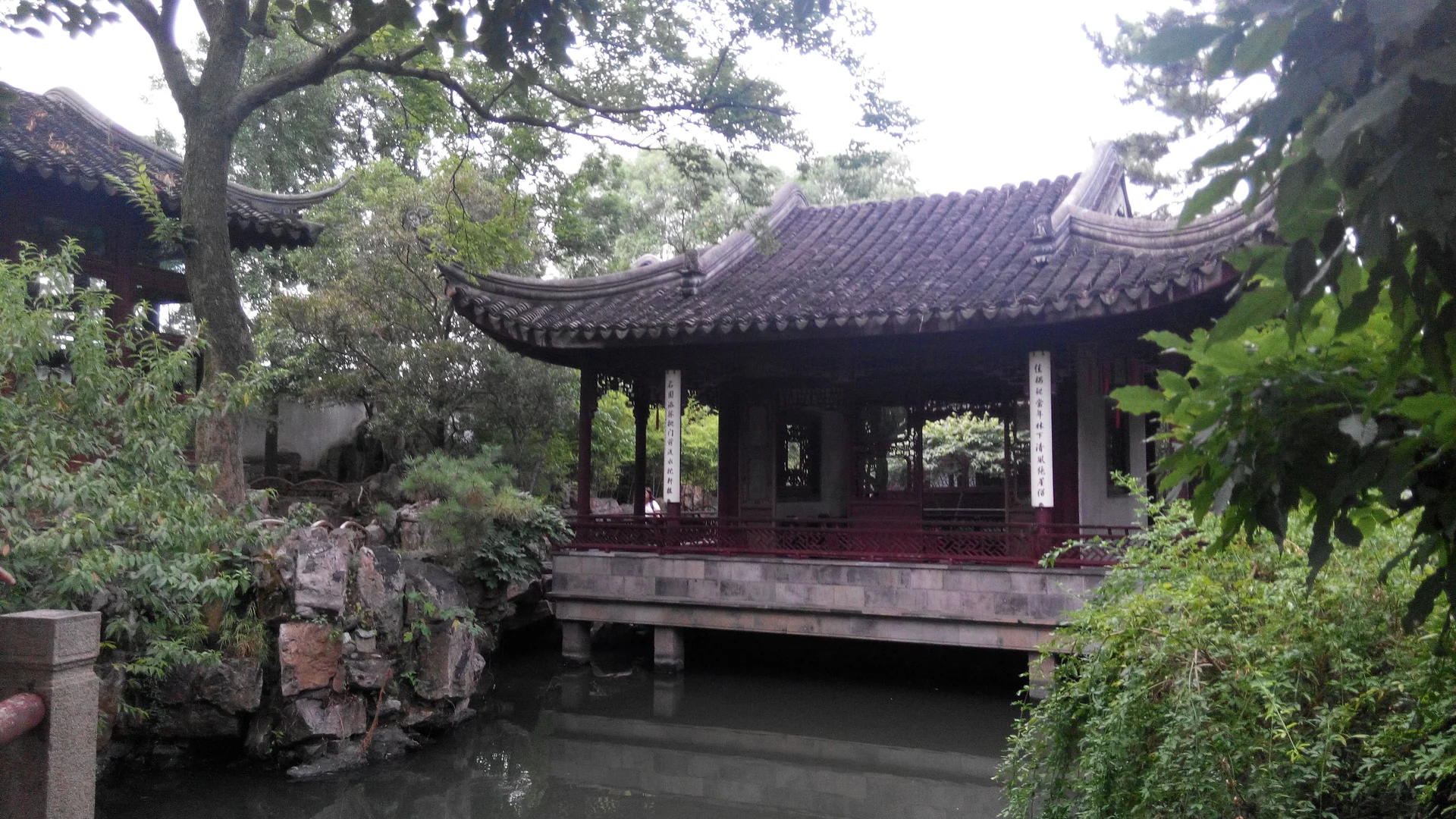
Suzhou Classical Gardens — The Scholar Landscapes That Reward Precision, Not Speed
苏州古典园林 · Suzhou Gudian Yuanlin
A rights-safe guide to Suzhou's classical gardens for travelers deciding how many gardens to visit and in what rhythm, with honest notes on Humble Administrator's Garden, why one compact second garden matters more than chasing volume, and how to keep the day from collapsing into pretty but shallow overload.
- jiangsu
- March to May and September to November
- Easy
- Visual verified
 hubei
Featured
hubei
Featured
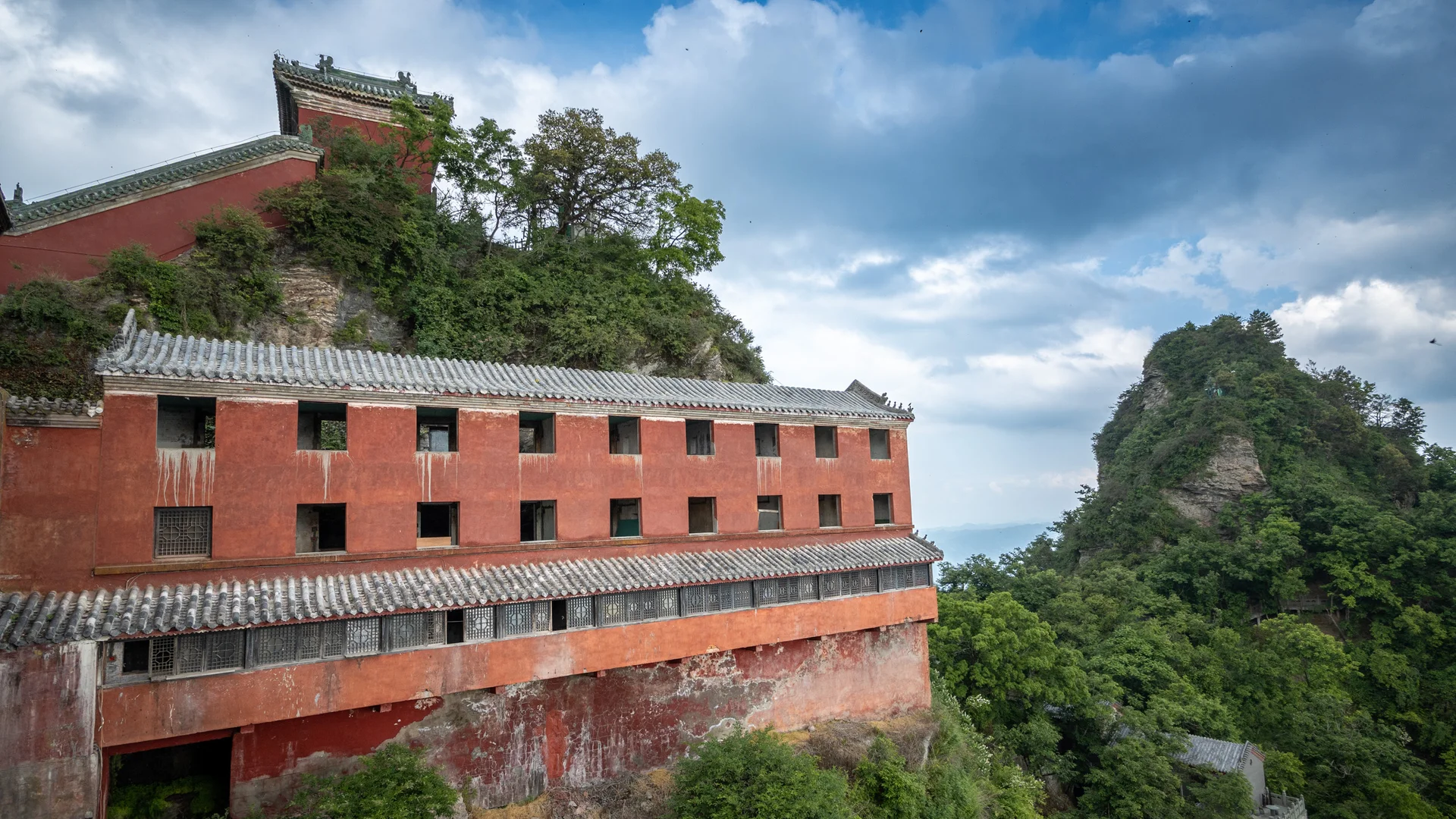
Wudang Mountains — The Taoist Mountain Complex Where Architecture, Peaks, And Practice Still Align
武当山 · Wudang Shan
A rights-safe guide to Wudang Mountains for travelers deciding between a summit-led day and a deeper Taoist-complex route, with honest notes on Golden Summit, Purple Cloud Palace, internal transport, and how to experience Wudang as more than a martial-arts cliché.
- hubei
- April to June and September to November
- Moderate
- Visual verified