Quick facts
What to know before you go
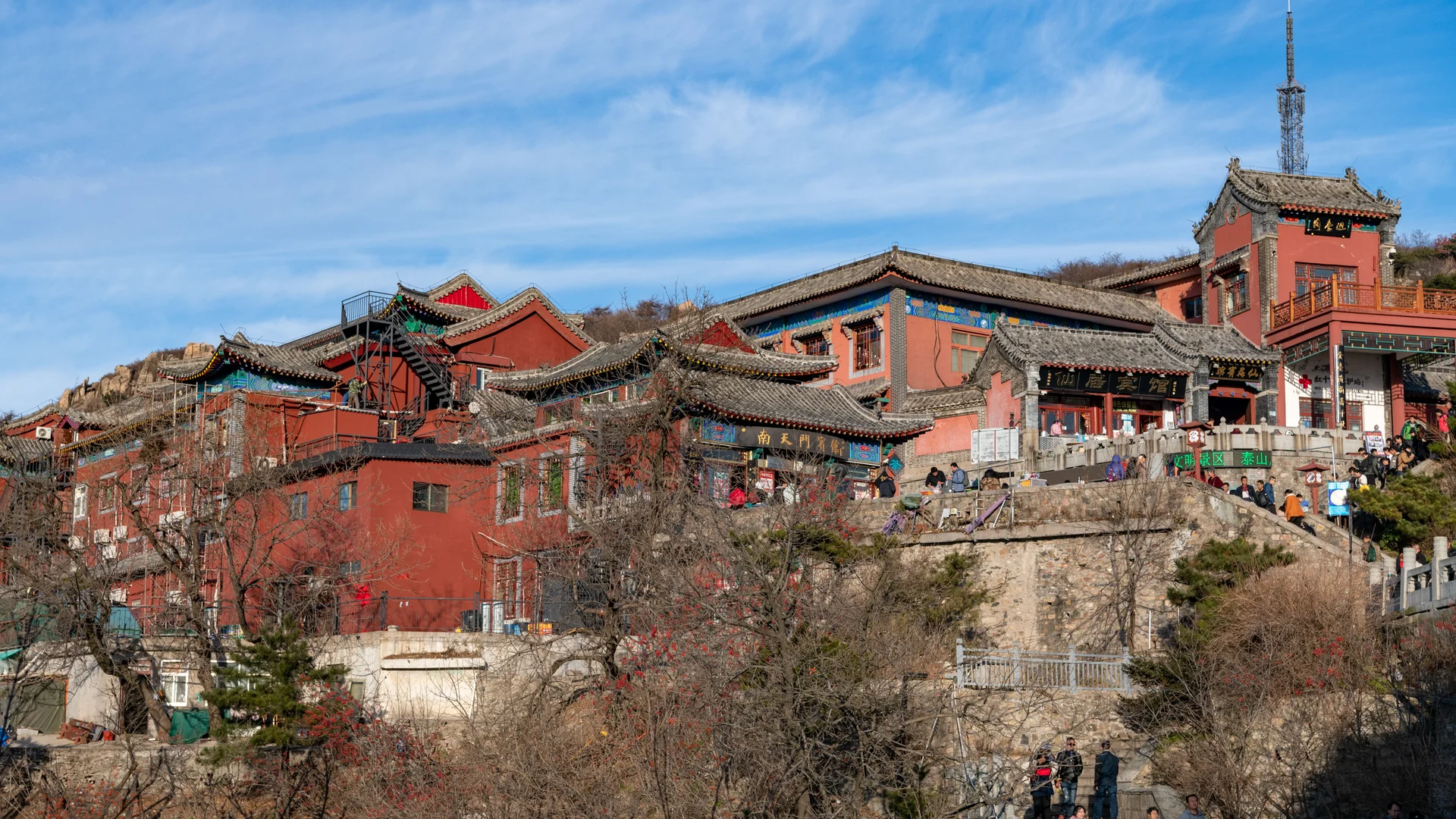
Mount Tai — The Sacred Climb That Still Shapes How China Imagines A Mountain is a curated China Hidden Gems destination in Shandong, selected for travelers who want the place, timing, effort, and logistics in one scan.
- Administrative location
- Tai'an, Shandong
- Chinese name
- 泰山 · Taishan
- Best season
- April to June and September to November
- Difficulty
- Challenging
- Time needed
- Full day to overnight sunrise push
- Typical cost
- $$
- Getting there
- Base in Tai'an, decide early whether the route is a full Red Gate climb, a shortened ascent, or a summit-led sunrise plan, and do not leave the effort decision to the last minute.
Editorial briefing
Why this place works
A rights-safe guide to Mount Tai for travelers deciding between the full Red Gate climb, a shortened ascent, or a summit-focused route, with honest notes on sunrise ambition, crowd rhythm, cable-car tradeoffs, and why the mountain matters as much culturally as it does physically.
Why go
- A rights-safe guide to Mount Tai for travelers deciding between the full Red Gate climb, a shortened ascent, or a summit-focused route, with honest notes on sunrise ambition, crowd rhythm, cable-car tradeoffs, and why the mountain matters as much culturally as it does physically.
- Mount Tai — The Sacred Climb That Still Shapes How China Imagines A Mountain gives travelers a concrete reason to plan around Tai'an, shandong, not just a generic first-trip city list.
- It is strongest for hiking, history, unesco, with enough practical context to compare timing, difficulty, and onward route fit.
Turn this into a trip
Save Mount Tai — The Sacred Climb That Still Shapes How China Imagines A Mountain, then plan around it.
Keep this gem on your device, open it in your bucket list, or start a planner draft with the destination already filled in.
Trip planning intake
Ask whether Mount Tai — The Sacred Climb That Still Shapes How China Imagines A Mountain fits your route.
This is a lightweight planning signal, not an instant concierge. Leave your trip context and a real question, and the team can reply manually after review.
Story visuals
Mount Tai — The Sacred Climb That Still Shapes How China Imagines A Mountain
The Mountain That Works Because The Climb Still Means Something
Mount Tai is not China's highest peak, and that fact is part of why many travelers initially misread it. If they come expecting extreme alpine drama, the mountain can seem modest on paper. If they only know it as a famous sunrise and a cable-car summit, the destination risks shrinking into a scenic outing. Both framings miss the point.
Mount Tai matters because it is one of the clearest places where landscape, political imagination, ritual, and movement still hold together. The mountain has been climbed, inscribed, worshipped, written about, and symbolically used for so long that the route itself becomes part of the destination. A strong Mount Tai page does not sell only the summit. It sells the logic of the ascent: the steps, the gates, the inscriptions, the sense that climbing the mountain has meant something in Chinese culture for centuries.
Why It Works
The first reason Mount Tai works is symbolic force. Even travelers who do not know the full ritual history can feel that the mountain occupies a different place in the cultural imagination from an ordinary scenic peak. That matters for the destination system. Mount Tai is not just another climb in Shandong. It is one of the few mountains in China whose name carries national-historical weight on its own.
The second reason is route legibility. The classic ascent is not abstract wilderness. It is a structured climb through gates, steps, and built markers that give the mountain narrative shape. That makes it unusually useful for planning. The traveler is not only choosing whether to reach a summit. They are choosing how much of the sacred route to experience and how much effort to spend doing it.
The third reason is that Mount Tai still supports emotional payoff. The summit, the East China plain below, the pre-dawn or sunrise logic, and the late climb through the final stairs can all feel memorable. But that payoff lands best when the page is honest about effort, crowd density, and what shortcuts change about the day. Mount Tai is strongest when expectation and route are aligned.
How To Plan The Climb
The most important planning decision is whether the day is a full-climb day or not. That sounds obvious, but it is where many mediocre Mount Tai experiences begin. Travelers promise themselves a complete ascent, underestimate the physical demand and crowd conditions, then spend the second half of the day tired and reactive. Others over-optimize by skipping too much of the route and arrive at the summit with the view but without the mountain's deeper logic.
For a first visit with good energy, the classic Red Gate approach still deserves default priority because it preserves the historical feel of the climb. You are not simply transported to a viewpoint. You build toward the summit through the route that shaped Mount Tai's meaning. That does not mean everyone must walk every meter. It means the page should say clearly what is gained by a fuller ascent and what is lost when too much is skipped.
Sunrise planning also needs honesty. The idea of watching dawn from the summit is powerful and still worthwhile for some travelers, but it changes the whole route. Sleep, weather, visibility, crowd density, and physical pacing all become more important. The page should not push sunrise as a mandatory premium version of the mountain. It should frame it as a specific route choice with real upside and real cost.
Cable-car use should be described as a tool, not a moral failure. Some travelers should absolutely shorten the route if it protects the parts of the mountain they will actually enjoy. The point is not purity. The point is choosing the right amount of climb for the body, timing, and season involved.
What To Prioritize
Prioritize the route spine first, not the summit photo alone. Mount Tai is a destination where steps, gates, and sequence carry meaning. The climb should feel cumulative. Even when a traveler is not completing the full ascent, they should still experience enough of the route structure to understand why the mountain has been approached as more than a scenic backdrop.
Then prioritize the summit as a conclusion, not as an isolated attraction. Jade Emperor Peak, the upper stair sections, and the sense of elevation over the plains matter because they close the route. They work best after effort. That is why the destination cannot be reduced to "go to the top and look around."
The page should also protect against false romanticism. Mount Tai can be crowded, especially on peak dates and classic sunrise pushes. The climb can be physically demanding, and the most famous stair sections are not abstractly poetic when your legs are gone and the route is congested. A premium recommendation says this plainly. What the traveler is buying with Mount Tai is not solitude. It is cultural density, route meaning, and the feeling of joining a very old ascent tradition.
Who Should Save It
Save Mount Tai if you want one mountain destination in eastern China that still feels culturally consequential rather than merely scenic. It is especially strong for travelers interested in sacred mountains, symbolic landscape, classic Chinese route culture, and hikes that carry historical weight.
It is weaker for travelers who want a quiet natural walk, a low-effort outing, or a peak where the summit alone does the work. Mount Tai is a route-first destination.
What To Confirm Before You Go
Before finalizing the day, confirm current mountain access conditions, cable-car operations, weather and visibility, and whether your route is truly a full climb, a shortened ascent, or a sunrise-focused plan. Also be realistic about crowd patterns around weekends and major Chinese holiday windows. Mount Tai is at its best when the traveler has chosen the route deliberately rather than inheriting one by default.
The honest promise is simple: Mount Tai is worth the climb when you treat the ascent as the destination, not as an obstacle before the viewpoint.
How To Use This Page In The Tools
Mount Tai should hand off to the planner as a route-and-effort question, not as a generic Shandong landmark. The useful prompt is "plan Mount Tai as either a full Red Gate climb, a shortened ascent, or a summit-focused route, with realistic effort, timing, and weather expectations rather than a romanticized sunrise script." That gives the planning tools a real decision framework to optimize around.
Traveler actions
Save, check in, share, and help other travelers judge whether this place is worth the trip.
Traveler Comments
Share your Mount Tai — The Sacred Climb That Still Shapes How China Imagines A Mountain experience
Continue exploring
More in shandong
View all →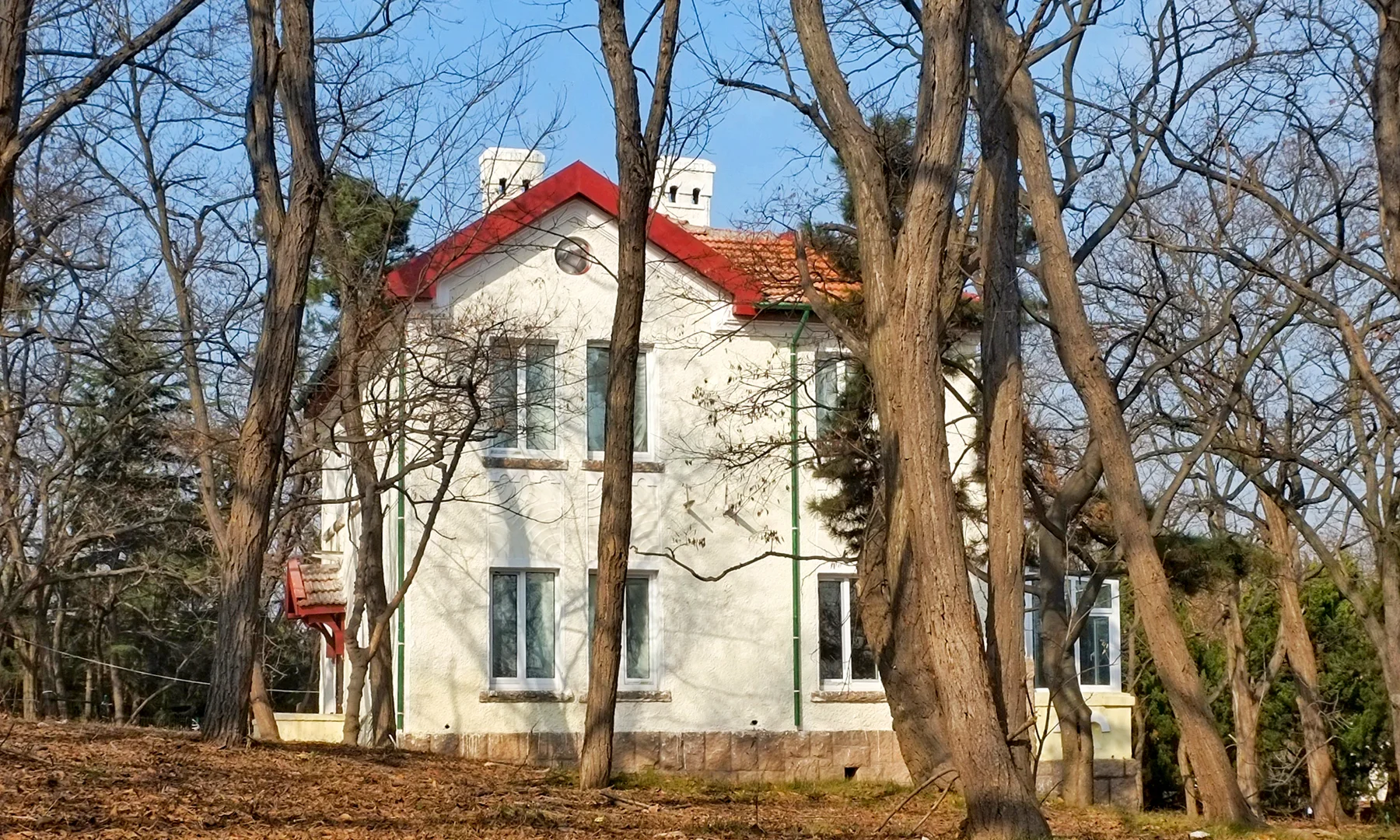 shandong
 Badaguan — The Qingdao Seaside District Where Villas, Trees, And Beach Air Still Hold A Distinct Rhythm
八大关 · Badaguan
A rights-safe guide to Badaguan for travelers deciding whether Qingdao's seaside villa district deserves a dedicated walk, with practical notes on district pacing, coastal adjacency, and why Badaguan works best as an atmospheric neighborhood route rather than as a single landmark stop.
- shandong
- April to June and September to November
- Easy
 shandong
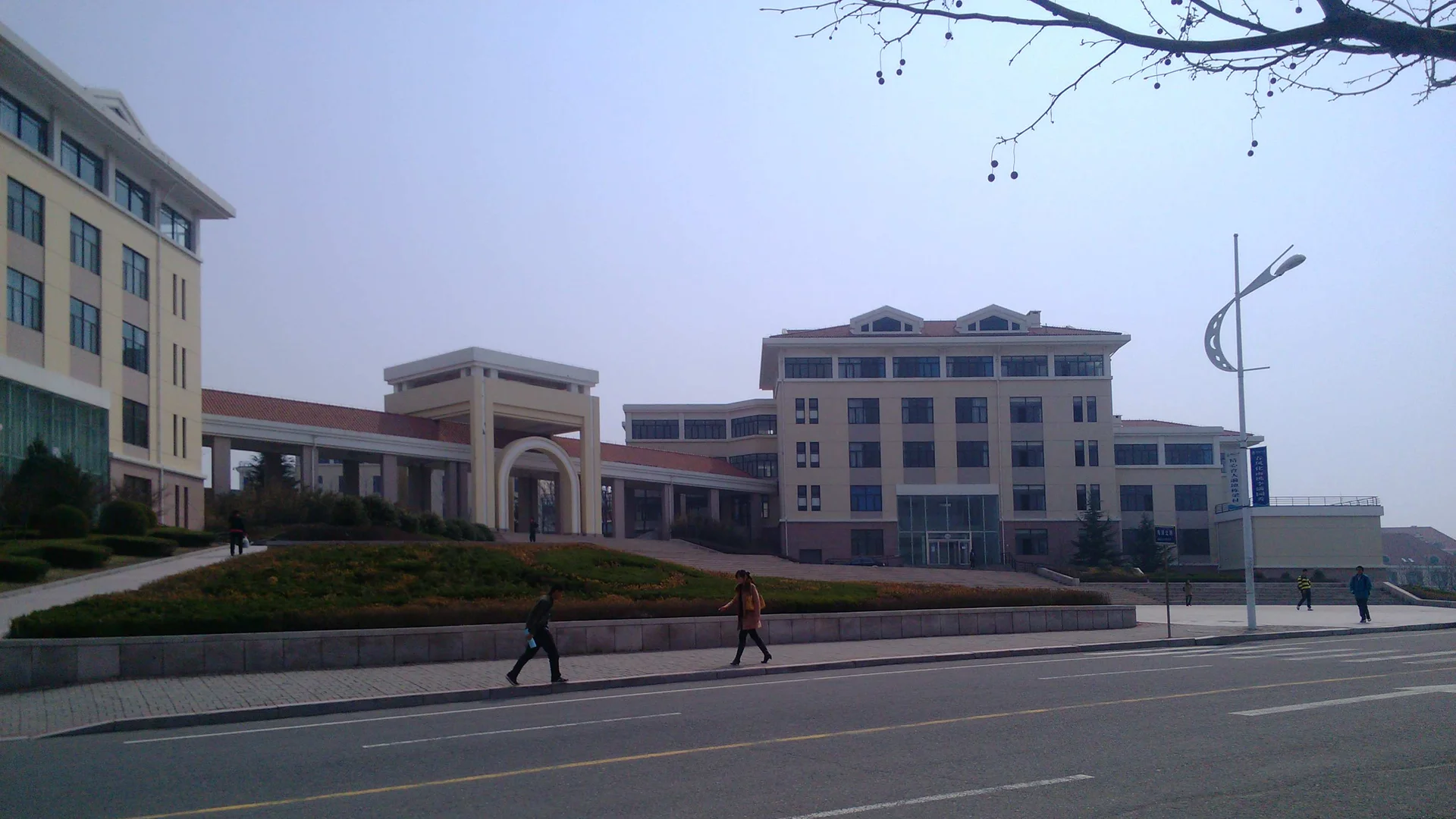
 Laoshan — The Qingdao Mountain That Works Because Granite Meets Sea, Temple, And Wind
崂山 · Laoshan
A rights-safe guide to Laoshan for travelers deciding whether Qingdao's famous coastal mountain deserves a dedicated day, with practical notes on route focus, sea-edge atmosphere, and why Laoshan works best through mountain-coast tension rather than through generic summit expectations.
- shandong
- April to June and September to November
- Moderate