Quick facts
What to know before you go
Wudang Mountains — The Taoist Mountain Complex Where Architecture, Peaks, And Practice Still Align is a curated China Hidden Gems destination in Hubei, selected for travelers who want the place, timing, effort, and logistics in one scan.
- Administrative location
- Shiyan, Hubei
- Chinese name
- 武当山 · Wudang Shan
- Best season
- April to June and September to November
- Difficulty
- Moderate
- Time needed
- Full day to two days
- Typical cost
- $$
- Getting there
- Use internal transport strategically, but decide before arrival whether the day is summit-led, palace-led, or broad enough to justify staying longer.
Editorial briefing
Why this place works
A rights-safe guide to Wudang Mountains for travelers deciding between a summit-led day and a deeper Taoist-complex route, with honest notes on Golden Summit, Purple Cloud Palace, internal transport, and how to experience Wudang as more than a martial-arts cliché.
Why go
- A rights-safe guide to Wudang Mountains for travelers deciding between a summit-led day and a deeper Taoist-complex route, with honest notes on Golden Summit, Purple Cloud Palace, internal transport, and how to experience Wudang as more than a martial-arts cliché.
- Wudang Mountains — The Taoist Mountain Complex Where Architecture, Peaks, And Practice Still Align gives travelers a concrete reason to plan around Shiyan, hubei, not just a generic first-trip city list.
- It is strongest for culture, hiking, history, with enough practical context to compare timing, difficulty, and onward route fit.
Turn this into a trip
Save Wudang Mountains — The Taoist Mountain Complex Where Architecture, Peaks, And Practice Still Align, then plan around it.
Keep this gem on your device, open it in your bucket list, or start a planner draft with the destination already filled in.
Trip planning intake
Ask whether Wudang Mountains — The Taoist Mountain Complex Where Architecture, Peaks, And Practice Still Align fits your route.
This is a lightweight planning signal, not an instant concierge. Leave your trip context and a real question, and the team can reply manually after review.
Story visuals
Wudang Mountains — The Taoist Mountain Complex Where Architecture, Peaks, And Practice Still Align
The Taoist Mountain Page That Needs More Than Kung Fu Mythology
Wudang Mountains are famous enough to attract two kinds of shallow expectations. One traveler arrives expecting a cinematic kung fu backdrop: mist, swords, robes, and a vague sense of ancient mastery. Another arrives expecting a scenic mountain with a few temples attached. Neither version is good enough for a destination page that wants to be genuinely useful.
Wudang works because architecture, sacred topography, and cultural imagination still reinforce each other. The mountain complex matters as Taoist heritage, as a UNESCO site, as a route through peaks and palaces, and as a place whose martial-culture identity remains inseparable from the wider setting. A strong page should protect that complexity. It should explain why Golden Summit, Purple Cloud Palace, and the mountain route belong together instead of reducing Wudang to either spectacle or folklore.
Why It Works
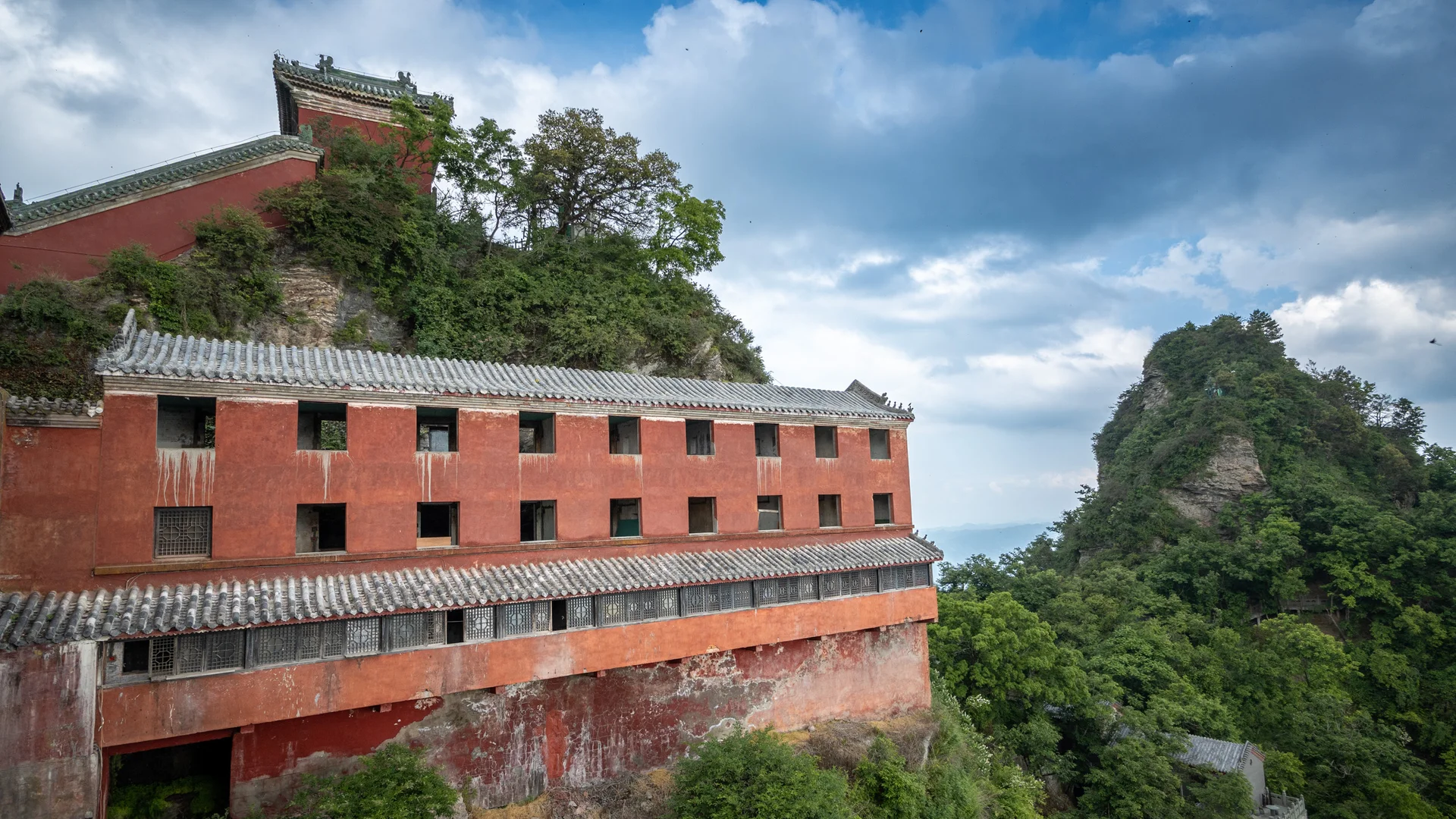
The first reason Wudang works is visual hierarchy. Few destinations combine steep mountain setting with such legible sacred architecture. Rooflines, terraces, palaces, and summit structures create clear visual anchors across different elevations. That makes Wudang one of the strongest sacred-mountain pages for both editorial use and social packaging.
The second reason is cultural clarity. Taoist identity is not decorative here. It shapes the architecture, route logic, and the visitor's sense of place. Wudang is one of the rare mountain destinations in China where religious heritage changes how the traveler reads both the buildings and the ascent. That is exactly why the page should not collapse into generic martial-arts branding.
The third reason is that route choice still matters. Travelers can rush toward Golden Summit and reduce the rest of the mountain to logistics, or they can drift too slowly among lower palaces and never let the mountain's vertical structure land. A better page helps them choose what kind of Wudang day they want: summit-first, complex-first, or a fuller route that lets architecture and peaks play off each other.
How To Plan The Route
The most useful first decision is whether your visit is built around Golden Summit or around the wider complex. Golden Summit is the clearest emotional climax, and for many first-time visitors it should remain central. But a summit-only mindset can flatten Wudang into one final viewpoint. The lower palaces are not filler. They explain why the mountain matters as a sacred-built landscape rather than only as a high perch.
Purple Cloud Palace deserves special attention because it is one of the strongest places to feel Wudang's architectural seriousness. It is not a mere stop on the way to something else. It is one of the clearest moments where the Taoist complex becomes legible as architecture, ritual space, and historical continuity.
Internal transport should be described plainly. Wudang is not a mountain where every visitor should perform total-route purity. Shuttle systems and access choices are part of how the day works. The real question is whether those tools are protecting the experience or hollowing it out. For many travelers, strategic transport use is the difference between a meaningful cultural mountain day and a scattered, overlong grind.
A one-day visit can work, but only if priorities are clear. Travelers with deeper interest in Taoist heritage, architecture, or martial-culture context should consider giving the mountain more breathing room rather than compressing everything into a rushed summit chase.
What To Prioritize
Prioritize one major mountain climax and one major architectural anchor. That is usually the cleanest version of the destination. Golden Summit gives the page vertical force and sacred drama. Purple Cloud Palace or another major palace complex gives it architectural weight and historical texture. Together they keep Wudang balanced.
The page should also be careful with martial-culture language. Wudang absolutely carries that association, and it would be artificial to strip it away. But the recommendation should not imply that the visitor is buying a live-action kung fu fantasy. What they are really getting is a Taoist mountain system whose architecture and cultural memory made that mythology possible in the first place.
Weather and atmosphere matter here more than at some other sites. Clouds and mist can strengthen the feeling of altitude and sacred separation, but they can also reduce visibility and change what the summit experience actually delivers. That is not a defect. It is part of the planning reality the page should acknowledge.
Who Should Save It
Save Wudang if you want one Hubei destination with strong mountain form, real architectural substance, and cultural meaning that goes beyond generic sightseeing. It is especially strong for travelers interested in Taoism, sacred mountains, architecture, and Chinese cultural landscapes that still feel integrated rather than museum-like.
It is weaker for travelers who want an effortless scenic stop or who are only looking for a martial-arts performance fantasy. Wudang is richer than that and asks to be treated that way.
What To Confirm Before You Go
Before finalizing the route, confirm current mountain access and transport assumptions, what your day is really prioritizing between summit and palace complexes, and whether the weather window supports the kind of Wudang you want to experience. Also be clear about whether one day is enough for your interests. The wrong Wudang plan is not always too short, but it is often too vague.
The honest promise is simple: Wudang Mountains are worth the trip when the traveler arrives ready to experience a Taoist mountain complex, not just a famous name with a summit attached.
How To Use This Page In The Tools
Wudang should hand off to the planner as a route-balance question, not as a generic Hubei landmark. The useful prompt is "plan a Wudang Mountains visit that makes a clear choice between Golden Summit and the main palace complexes, uses transport strategically, and keeps the Taoist mountain logic intact instead of reducing the day to a rushed summit photo." That gives the planning tools a real structure to work with.
Traveler actions
Save, check in, share, and help other travelers judge whether this place is worth the trip.
Traveler Comments
Share your Wudang Mountains — The Taoist Mountain Complex Where Architecture, Peaks, And Practice Still Align experience
Continue exploring
More in hubei
View all →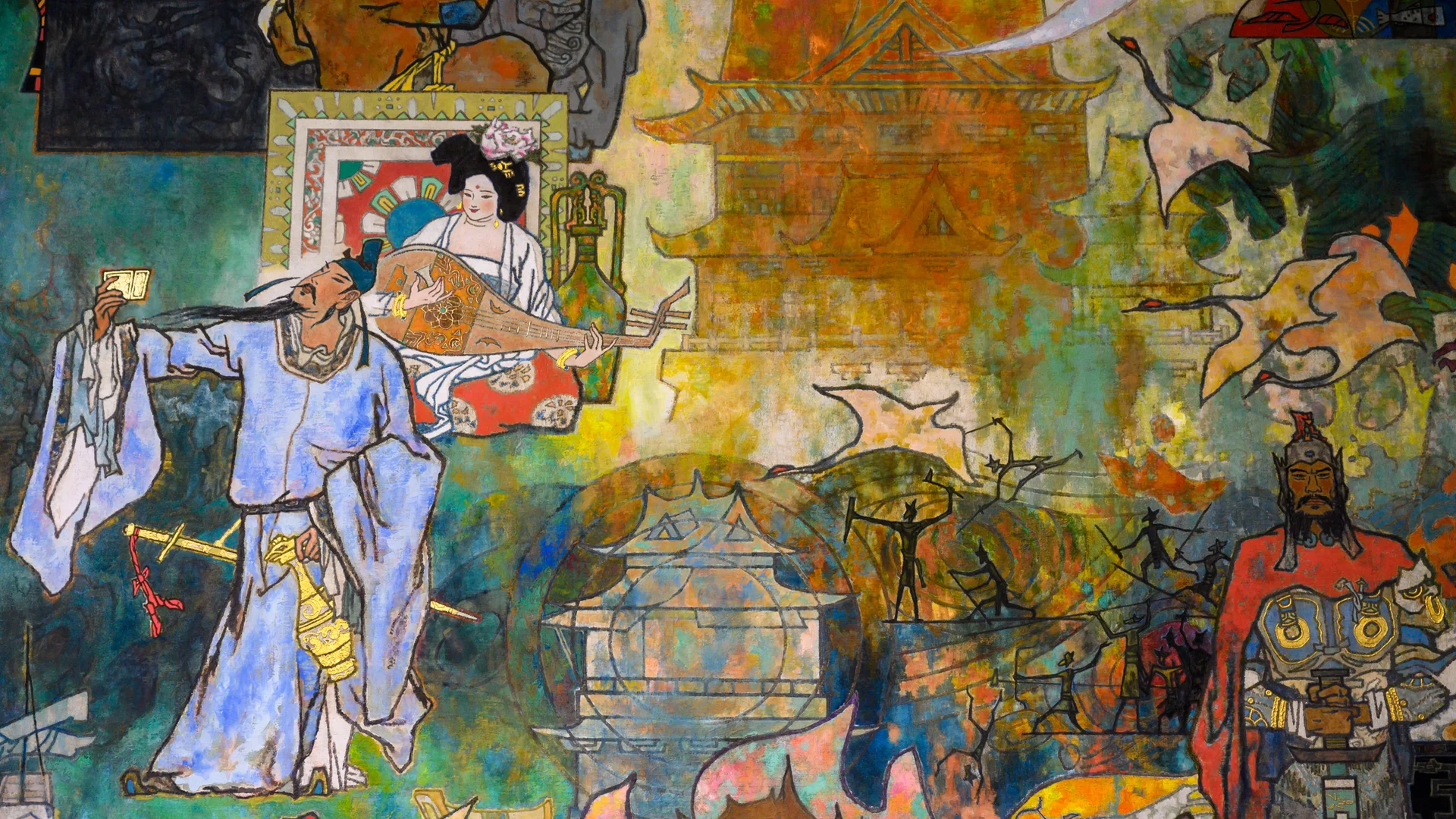 hubei
hubei Yellow Crane Tower — The Wuhan Landmark That Still Works As A City-Level Cultural Viewpoint
黄鹤楼 · Huanghelou
A rights-safe guide to Yellow Crane Tower for travelers deciding whether Wuhan's best-known landmark deserves real time, with practical notes on skyline views, symbolic weight, and why the tower works best as a city-scale cultural viewpoint rather than as an interior-heavy historic site.
- hubei
- March to May and October to November
- Easy
 hubei
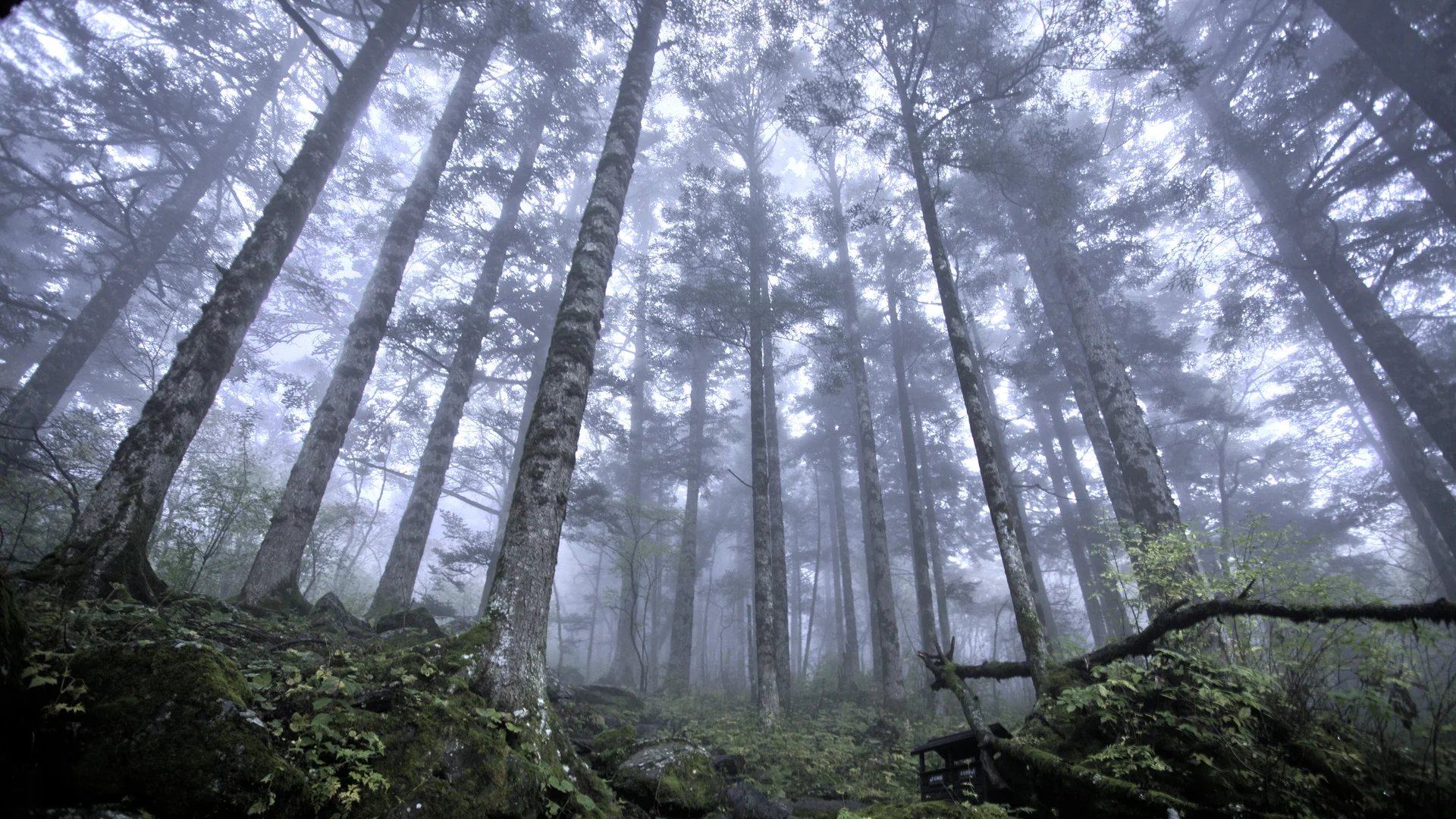
hubei Shennongjia — The Mid-Latitude Forest That Only Works If You Respect Distance And Weather
神农架 · Shennongjia
A rights-safe guide to Shennongjia for travelers deciding whether Hubei's highland forest deserves a full route block, with practical notes on distance, elevation, weather, and why the park works best when approached as a mountain-scale journey instead of a vague wilderness fantasy.
- hubei
- May to October
- Moderate