Quick facts
What to know before you go
Yellow Crane Tower — The Wuhan Landmark That Still Works As A City-Level Cultural Viewpoint is a curated China Hidden Gems destination in Hubei, selected for travelers who want the place, timing, effort, and logistics in one scan.
- Administrative location
- Wuhan, Hubei
- Chinese name
- 黄鹤楼 · Huanghelou
- Best season
- March to May and October to November
- Difficulty
- Easy
- Time needed
- 1-3 hours
- Typical cost
- $
- Getting there
- Treat Yellow Crane Tower as a city-view and landmark stop rather than as a deep interior heritage route.
Editorial briefing
Why this place works
A rights-safe guide to Yellow Crane Tower for travelers deciding whether Wuhan's best-known landmark deserves real time, with practical notes on skyline views, symbolic weight, and why the tower works best as a city-scale cultural viewpoint rather than as an interior-heavy historic site.
Why go
- A rights-safe guide to Yellow Crane Tower for travelers deciding whether Wuhan's best-known landmark deserves real time, with practical notes on skyline views, symbolic weight, and why the tower works best as a city-scale cultural viewpoint rather than as an interior-heavy historic site.
- Yellow Crane Tower — The Wuhan Landmark That Still Works As A City-Level Cultural Viewpoint gives travelers a concrete reason to plan around Wuhan, hubei, not just a generic first-trip city list.
- It is strongest for tower, city landmark, wuhan, with enough practical context to compare timing, difficulty, and onward route fit.
Turn this into a trip
Save Yellow Crane Tower — The Wuhan Landmark That Still Works As A City-Level Cultural Viewpoint, then plan around it.
Keep this gem on your device, open it in your bucket list, or start a planner draft with the destination already filled in.
Trip planning intake
Ask whether Yellow Crane Tower — The Wuhan Landmark That Still Works As A City-Level Cultural Viewpoint fits your route.
This is a lightweight planning signal, not an instant concierge. Leave your trip context and a real question, and the team can reply manually after review.
Story visuals
Yellow Crane Tower — The Wuhan Landmark That Still Works As A City-Level Cultural Viewpoint
The Tower Page That Works Because It Organizes The City, Not Because It Hides Complexity
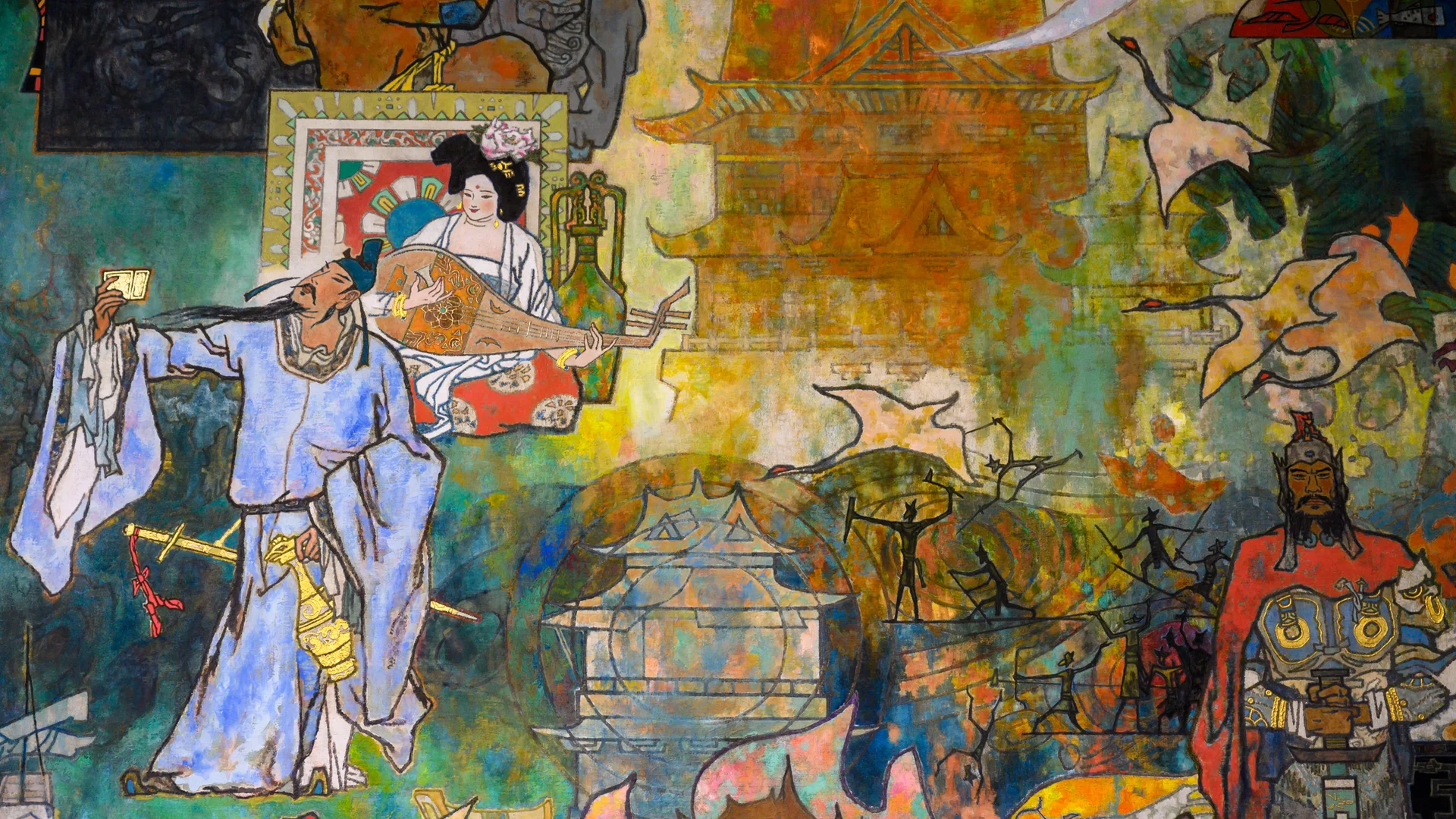
Yellow Crane Tower is one of those landmarks that almost collapses under the weight of its own fame. Poems, postcards, skyline shots, and civic symbolism all arrive before the traveler does. That can make the destination seem fully understood in advance. But the tower is still useful, and even powerful, when the visitor approaches it for what it really is: a city-level cultural viewpoint rather than a monument whose entire value sits inside its rooms.
That distinction matters because too many iconic towers are approached with the wrong expectation. People arrive wanting preserved interior history when what the site actually offers best is orientation, symbolism, and a way of reading the surrounding city. Yellow Crane Tower is stronger once the traveler accepts that its meaning lives as much in outlook and urban placement as in the tower object itself.
A premium page should therefore resist two mistakes at once. The first is treating the tower as a hollow tourist icon. The second is overstating its interior or material authenticity in a way that sets up the wrong kind of scrutiny. The better route is clearer: this is an emblematic Wuhan landmark whose force comes from what it means to the city and how it positions the visitor above it.
Why It Works
First, the tower has real symbolic durability. Even after reconstruction and cycles of destruction, it still functions as one of Wuhan's defining images. That matters because some rebuilt landmarks lose their grip once stripped of original fabric. Yellow Crane Tower does not entirely depend on age-material authenticity to remain legible.
Second, the tower organizes the visitor's reading of Wuhan. The skyline, river-city relationships, bridges, and urban sprawl all become easier to interpret once seen through this elevated vantage. That gives the destination practical value beyond symbolism alone.
Third, it gives Hubei a very different page from the province's mountain and forest heritage. Wudang is sacred mountain architecture; Shennongjia is landscape and ecology. Yellow Crane Tower is urban symbolism, literary afterlife, and viewpoint logic. That difference makes it additive rather than redundant.
A fourth reason it works is compression. Wuhan is a large city with multiple districts, transport rhythms, and river edges that can feel abstract in the planning phase. Yellow Crane Tower gives travelers one recognizably strong place from which the city starts to make emotional and spatial sense. That is a real planning advantage, not just a branding effect.
How To Shape The Visit
Start by deciding whether you want the tower to anchor a city-reading day or to function as one quick landmark tick. The first use is much stronger. When folded into a broader Wuhan route, the tower helps the whole city become more legible.
The second decision is timing. Light and visibility matter here because the tower is partly a city-view machine. Morning haze, sunset warmth, or night glow can produce very different emotional readings. The page should help travelers choose deliberately.
The third decision is how much literary and symbolic framing you want. Yellow Crane Tower is not only a place to stand. It is also one of those landmarks whose meaning is partly inherited through poetry and cultural memory. The page should acknowledge that without becoming abstract.
A fourth decision is whether the traveler expects the interior to carry as much force as the exterior and the views. Often it will not. The stronger visit is usually the one that understands the tower through stance, context, and skyline relation.
What To Prioritize
Prioritize viewpoint quality. This is the most direct route to making the tower feel worthwhile in practical terms.
Prioritize city context too. The tower is not an isolated object. It works because Wuhan gathers around it visually and symbolically.
It is also worth prioritizing expectation discipline. The page should not oversell architectural originality where the more truthful and interesting story is about civic continuity and cultural endurance.
A final priority is keeping the writing grounded. Yellow Crane Tower does not need endless poetic mystique to work. It is already strong enough as a city landmark whose position and reputation still matter.
What Can Go Wrong
The first mistake is expecting the tower to behave like a preserved original fabric monument. That usually produces the wrong kind of disappointment.
Another mistake is treating it as a one-photo skyline token and moving on too quickly. The site becomes more meaningful when it is used to organize the city around it.
The third mistake is underestimating how much timing affects the quality of the visit. A tower that works partly through views changes a lot with light and haze.
Who Should Save It
Save Yellow Crane Tower if you care about city symbols, elevated viewpoints, and landmarks whose cultural afterlife matters as much as their objecthood. It is especially useful for travelers who want a Wuhan page that can anchor the city emotionally and spatially.
It is weaker for travelers who only value untouched original fabric or who dislike iconic urban landmarks on principle. Yellow Crane Tower is worth it when the traveler is willing to read the city through the tower as much as the tower itself.
What To Confirm Before You Go
Before finalizing the stop, confirm what kind of light and skyline read you want, how much symbolic framing appeals to you, and whether the tower is a quick landmark or a city anchor in your route. The honest promise is simple: Yellow Crane Tower is rewarding when you use it to understand Wuhan, not merely to collect it.
Traveler actions
Save, check in, share, and help other travelers judge whether this place is worth the trip.
Traveler Comments
Share your Yellow Crane Tower — The Wuhan Landmark That Still Works As A City-Level Cultural Viewpoint experience
Continue exploring
More in hubei
View all →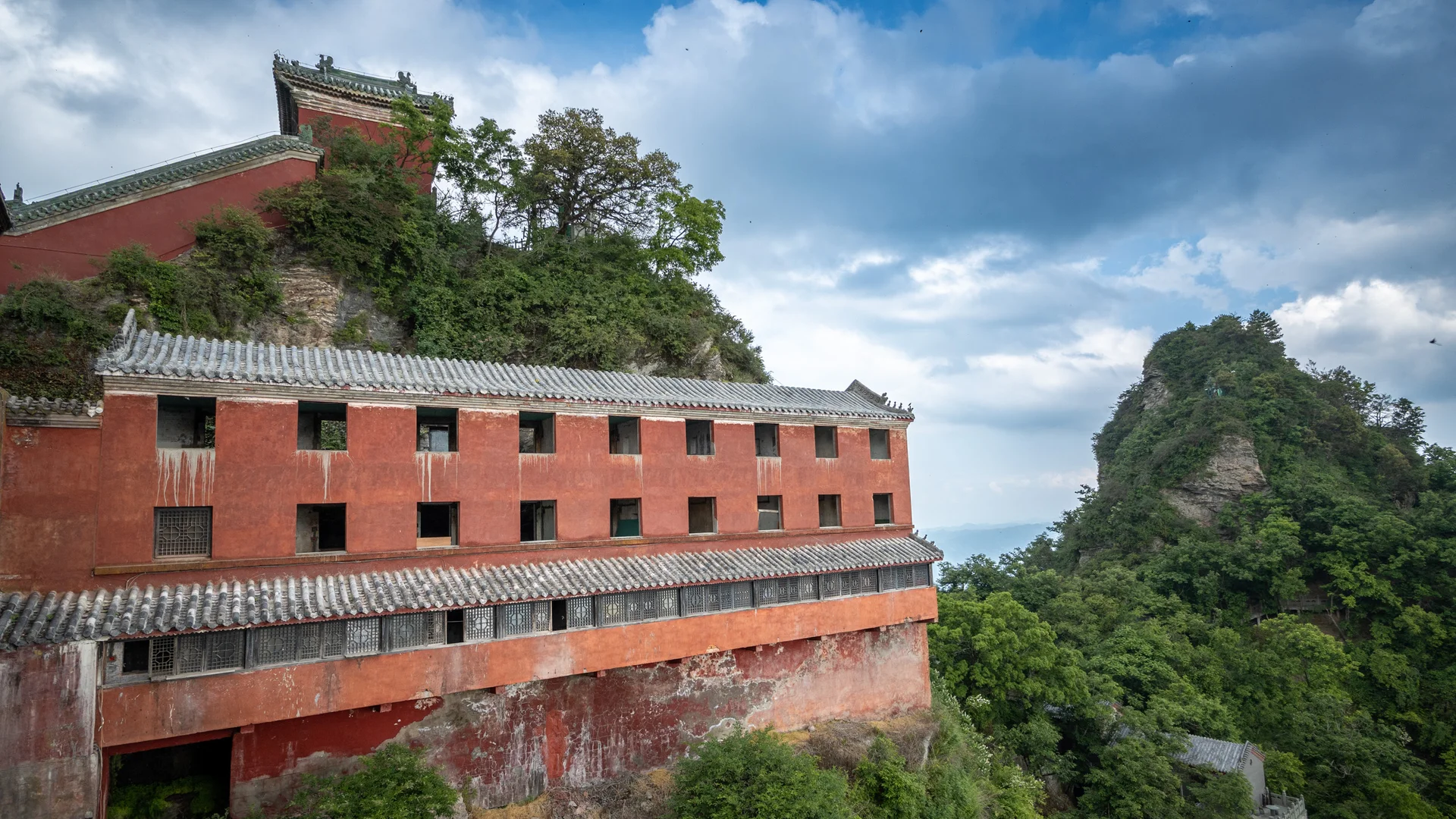 hubei
hubei Wudang Mountains — The Taoist Mountain Complex Where Architecture, Peaks, And Practice Still Align
武当山 · Wudang Shan
A rights-safe guide to Wudang Mountains for travelers deciding between a summit-led day and a deeper Taoist-complex route, with honest notes on Golden Summit, Purple Cloud Palace, internal transport, and how to experience Wudang as more than a martial-arts cliché.
- hubei
- April to June and September to November
- Moderate
 hubei
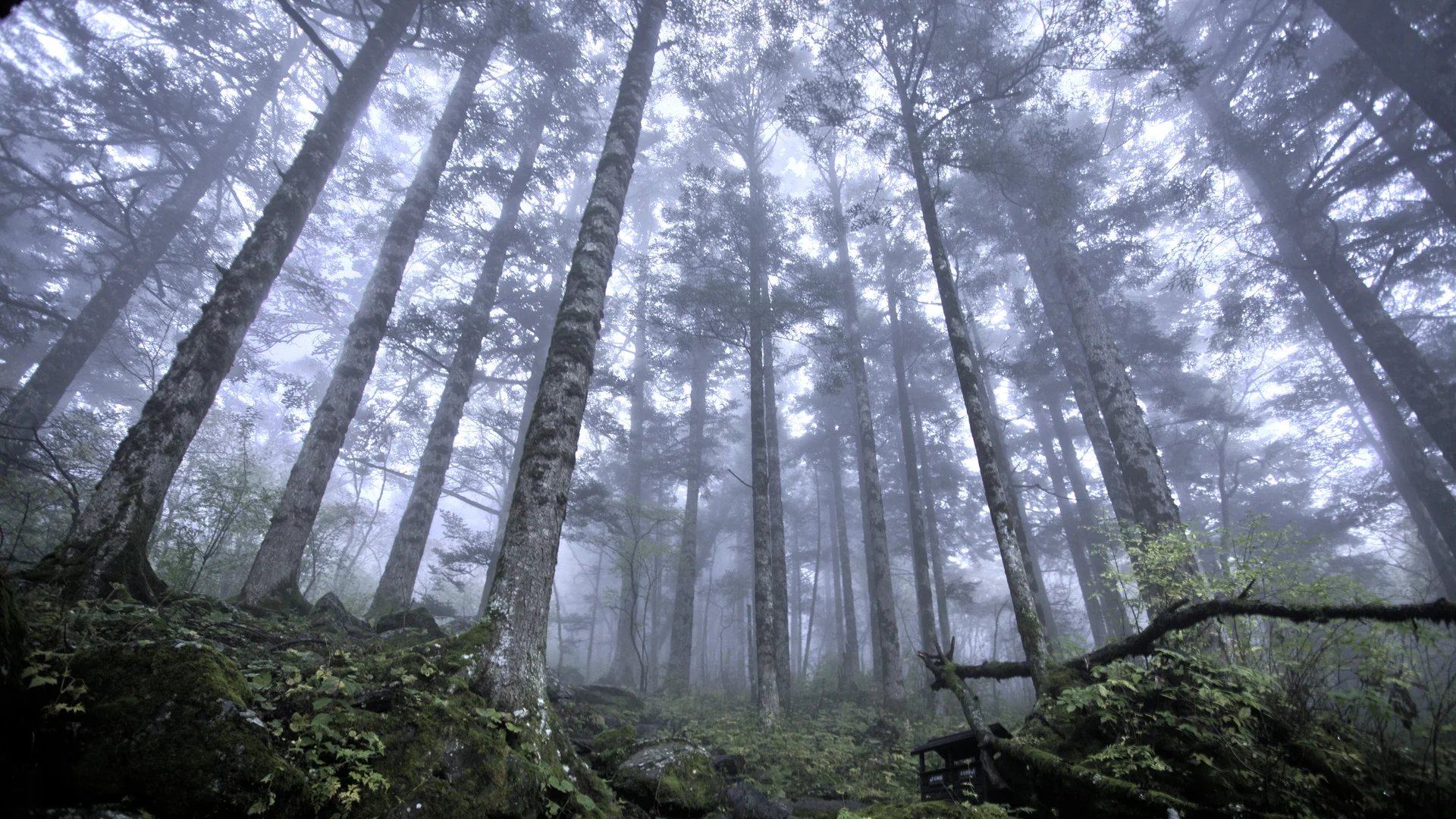
hubei Shennongjia — The Mid-Latitude Forest That Only Works If You Respect Distance And Weather
神农架 · Shennongjia
A rights-safe guide to Shennongjia for travelers deciding whether Hubei's highland forest deserves a full route block, with practical notes on distance, elevation, weather, and why the park works best when approached as a mountain-scale journey instead of a vague wilderness fantasy.
- hubei
- May to October
- Moderate