Quick facts
What to know before you go
Laoshan — The Qingdao Mountain That Works Because Granite Meets Sea, Temple, And Wind is a curated China Hidden Gems destination in Shandong, selected for travelers who want the place, timing, effort, and logistics in one scan.
- Administrative location
- Qingdao, Shandong
- Chinese name
- 崂山 · Laoshan
- Best season
- April to June and September to November
- Difficulty
- Moderate
- Time needed
- Full day
- Typical cost
- $$
- Getting there
- Treat Laoshan as a dedicated Qingdao mountain day where route selection and weather matter more than squeezing it around urban sightseeing.
Official planning links
Editorial briefing
Why this place works
A rights-safe guide to Laoshan for travelers deciding whether Qingdao's famous coastal mountain deserves a dedicated day, with practical notes on route focus, sea-edge atmosphere, and why Laoshan works best through mountain-coast tension rather than through generic summit expectations.
Why go
- A rights-safe guide to Laoshan for travelers deciding whether Qingdao's famous coastal mountain deserves a dedicated day, with practical notes on route focus, sea-edge atmosphere, and why Laoshan works best through mountain-coast tension rather than through generic summit expectations.
- Laoshan — The Qingdao Mountain That Works Because Granite Meets Sea, Temple, And Wind gives travelers a concrete reason to plan around Qingdao, shandong, not just a generic first-trip city list.
- It is strongest for coastal mountain, shandong, qingdao, with enough practical context to compare timing, difficulty, and onward route fit.
Turn this into a trip
Save Laoshan — The Qingdao Mountain That Works Because Granite Meets Sea, Temple, And Wind, then plan around it.
Keep this gem on your device, open it in your bucket list, or start a planner draft with the destination already filled in.
Trip planning intake
Ask whether Laoshan — The Qingdao Mountain That Works Because Granite Meets Sea, Temple, And Wind fits your route.
This is a lightweight planning signal, not an instant concierge. Leave your trip context and a real question, and the team can reply manually after review.
Story visuals
Laoshan — The Qingdao Mountain That Works Because Granite Meets Sea, Temple, And Wind
The Qingdao Mountain That Becomes Stronger Once You Notice The Sea Is Doing Half The Work
Laoshan is easy to underestimate if you approach it as a standard city-adjacent mountain. Travelers often hear that Qingdao has a famous mountain and then unconsciously place the destination in a familiar category: scenic day hike, temple stop, maybe some rock views, then back to the city. That framing is too weak. Laoshan works because the sea keeps entering the mountain experience. Granite, wind, temple traces, and the proximity of water create a landscape that does not read like an inland climb. The destination is persuasive when the traveler feels the tension between mountain scale and coastal exposure.
That distinction matters because Shandong already has major inland symbolic weight through Mount Tai. If Laoshan is described lazily, it sounds like a lesser mountain in the same province. It is not. Mount Tai is ritual height and civilizational scale. Laoshan is coastal granite and Taoist edge. The mountain feels more windswept, more open to atmospheric change, and more tied to Qingdao's maritime setting. That difference is the entire reason to make the page.
A premium page should therefore resist two weak habits. The first is reducing Laoshan to a generic hiking destination. The second is over-mystifying it as if Taoist association alone should carry the visit. The better route is more concrete: this is a sea-facing sacred mountain whose appeal comes from how cliffs, paths, temples, and coastal weather build a distinct Qingdao landscape logic.
Why It Works
First, Laoshan has a clear visual identity. Granite forms, sea-edge atmosphere, and temple-set mountain sections keep the route from feeling interchangeable with other Chinese mountains. Even before the traveler has any deep cultural context, the mountain signals that it belongs to a coastal geography.
Second, the site gives Qingdao a page with actual topographic seriousness. Many coastal-city itineraries get trapped in urban leisure, architecture, and food. Laoshan gives the city relief. It introduces a different scale of movement and a different emotional register. That makes it highly useful for route-building.
Third, the mountain's Taoist and temple associations deepen rather than dominate the destination. Laoshan does not need to become a purely religious page to justify itself. The sacred traces matter because they belong to the mountain's edge-world feeling, not because they overwhelm the landscape. That balance is useful and keeps the page grounded.
A fourth reason it works is that weather and openness matter in a legible way. Laoshan is one of those mountains where haze, wind, and light materially change the route mood. That can make the experience feel more alive than destinations whose scenic logic is fixed no matter the conditions.
How To Shape The Visit
Start by deciding whether your Laoshan day is coast-first or mountain-first. Coast-first travelers will often care most about the way the mountain meets the wider Qingdao setting. Mountain-first travelers may focus more on paths, height, and sacred-mountain atmosphere. Either can work, but the page should help people preserve the coastal dimension, because that is what most strongly differentiates Laoshan.
The second decision is route scope. Laoshan is not a place to approach vaguely. The mountain has enough range that diffuse planning can make the day feel thin. A stronger itinerary chooses a clear scenic emphasis and lets the route unfold around it.
The third decision is weather expectation. A clean blue day is not the only way Laoshan can work. Wind, mist, and partial visibility can intensify the sea-edge feeling. The page should prepare travelers for that possibility instead of promising only one aesthetic state.
A fourth decision is how much temple and cultural framing you want. The strongest visits usually acknowledge the Taoist layer but do not let it swallow the mountain. Laoshan remains most convincing when the religious and scenic dimensions reinforce each other.
What To Prioritize
Prioritize the relationship between rock, sea, and air. That is the mountain's defining combination.
Prioritize route clarity too. Laoshan becomes more persuasive when the traveler understands what part of the mountain is being chosen and why.
It is also worth prioritizing atmosphere. Wind and haze are not merely inconveniences here.
A final priority is avoiding generic mountain language. Laoshan is not just another summit day. It is a coastal sacred mountain with a specific geographic character.
What Can Go Wrong
The first mistake is treating Laoshan like an interchangeable suburban hike outside Qingdao.
Another mistake is ignoring weather and ending up disappointed because the mountain does not match one fixed visual expectation.
The third mistake is overloading the day until the mountain-coast relationship never gets a chance to register.
Who Should Save It
Save Laoshan if you care about sea-edge mountains, granite landscapes, Taoist traces, and destinations whose identity depends on geography as much as on history. It is especially strong for travelers who want Qingdao to feel larger than an urban coast.
It is weaker for travelers who only want easy city-side leisure or who dislike weather-variable mountain plans. Laoshan is worth it when the traveler is willing to let coast and mountain explain one another.
What To Confirm Before You Go
Before finalizing the route, decide whether you want a coast-emphasis or mountain-emphasis day, check weather with an eye for atmosphere rather than perfection, and choose a route that keeps the sea-edge identity in view. The honest promise is simple: Laoshan is rewarding when you treat it as a coastal sacred mountain, not as a generic Qingdao hike.
Traveler actions
Save, check in, share, and help other travelers judge whether this place is worth the trip.
Traveler Comments
Share your Laoshan — The Qingdao Mountain That Works Because Granite Meets Sea, Temple, And Wind experience
Continue exploring
More in shandong
View all →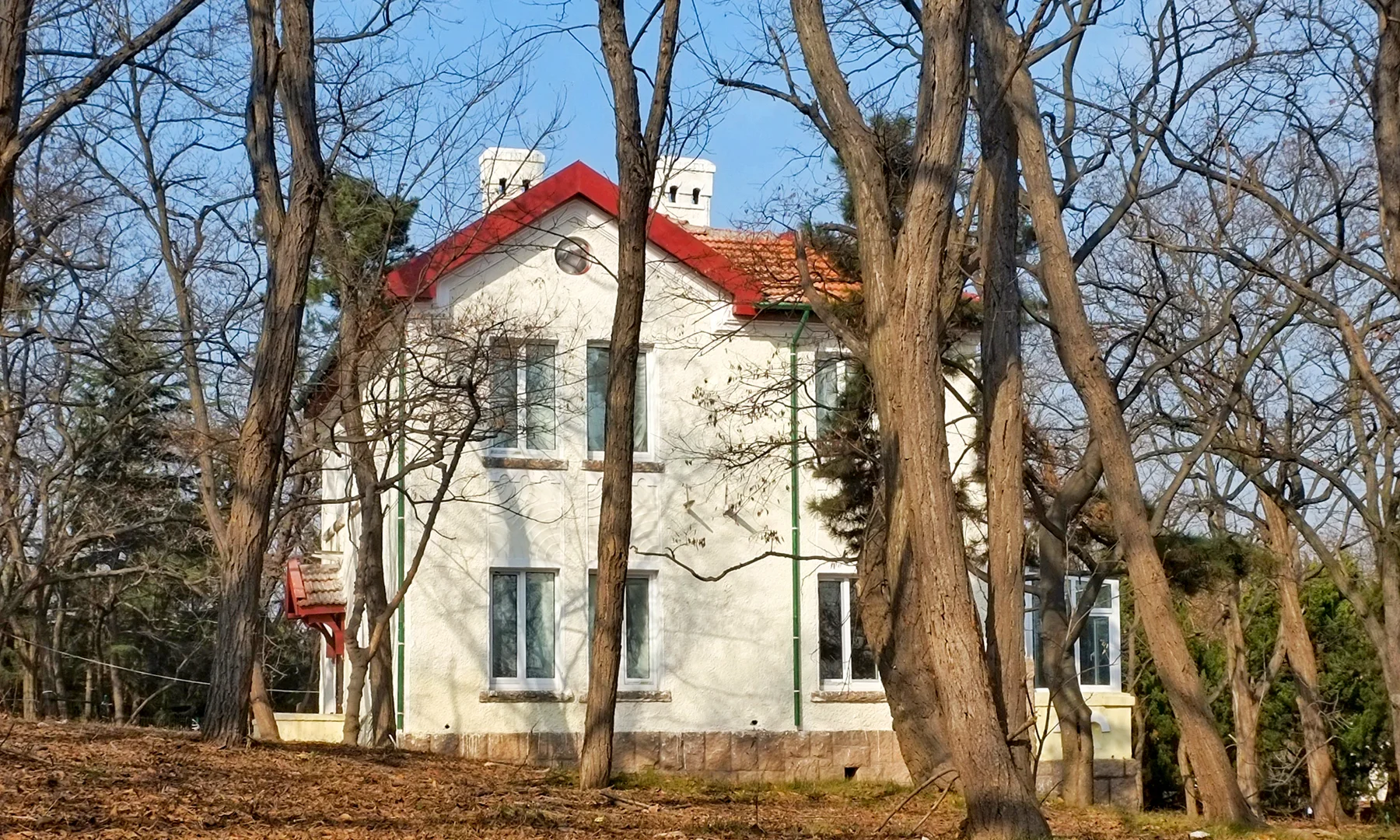 shandong
 Badaguan — The Qingdao Seaside District Where Villas, Trees, And Beach Air Still Hold A Distinct Rhythm
八大关 · Badaguan
A rights-safe guide to Badaguan for travelers deciding whether Qingdao's seaside villa district deserves a dedicated walk, with practical notes on district pacing, coastal adjacency, and why Badaguan works best as an atmospheric neighborhood route rather than as a single landmark stop.
- shandong
- April to June and September to November
- Easy
 shandong
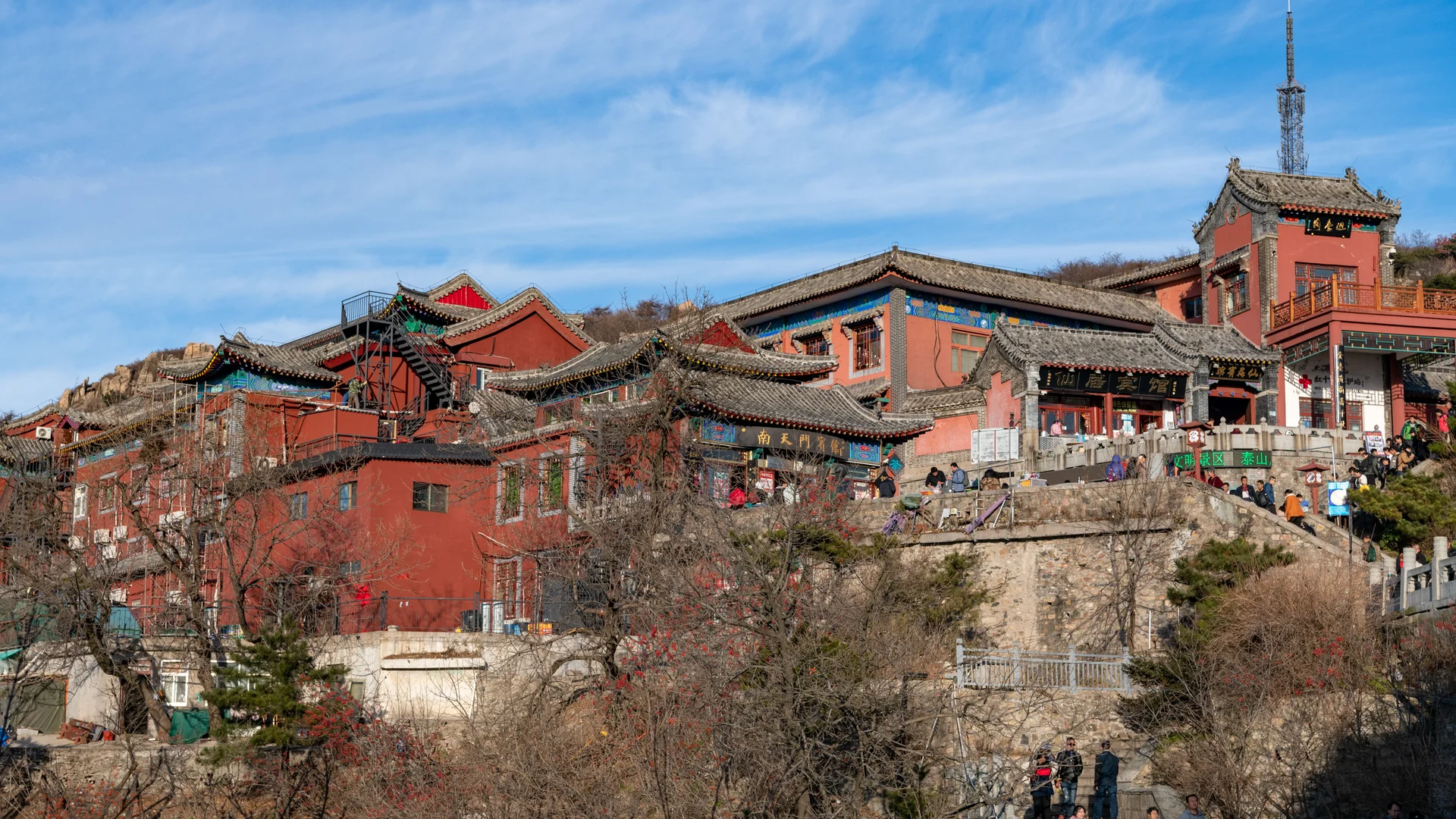
 Mount Tai — The Sacred Climb That Still Shapes How China Imagines A Mountain
泰山 · Taishan
A rights-safe guide to Mount Tai for travelers deciding between the full Red Gate climb, a shortened ascent, or a summit-focused route, with honest notes on sunrise ambition, crowd rhythm, cable-car tradeoffs, and why the mountain matters as much culturally as it does physically.
- shandong
- April to June and September to November
- Challenging