Quick facts
What to know before you go
Summer Palace — The Imperial Landscape That Still Works Through Water, Relief, And Controlled Scale is a curated China Hidden Gems destination in Beijing, selected for travelers who want the place, timing, effort, and logistics in one scan.
- Administrative location
- Beijing
- Chinese name
- 颐和园 · Yiheyuan
- Best season
- March to May and September to November
- Difficulty
- Easy
- Time needed
- 3-5 hours
- Typical cost
- $
- Getting there
- Treat Summer Palace as a route-planned half-day imperial landscape stop rather than as a casual park walk between other Beijing landmarks.
Editorial briefing
Why this place works
A rights-safe guide to the Summer Palace for travelers deciding whether Beijing's great imperial garden deserves real time, with practical notes on route choice, crowd timing, and why the site works best as a composed lake-and-hill landscape rather than as a generic palace park.
Why go
- A rights-safe guide to the Summer Palace for travelers deciding whether Beijing's great imperial garden deserves real time, with practical notes on route choice, crowd timing, and why the site works best as a composed lake-and-hill landscape rather than as a generic palace park.
- Summer Palace — The Imperial Landscape That Still Works Through Water, Relief, And Controlled Scale gives travelers a concrete reason to plan around Beijing, beijing, not just a generic first-trip city list.
- It is strongest for imperial garden, beijing, lake and hill, with enough practical context to compare timing, difficulty, and onward route fit.
Turn this into a trip
Save Summer Palace — The Imperial Landscape That Still Works Through Water, Relief, And Controlled Scale, then plan around it.
Keep this gem on your device, open it in your bucket list, or start a planner draft with the destination already filled in.
Trip planning intake
Ask whether Summer Palace — The Imperial Landscape That Still Works Through Water, Relief, And Controlled Scale fits your route.
This is a lightweight planning signal, not an instant concierge. Leave your trip context and a real question, and the team can reply manually after review.
Story visuals
Summer Palace — The Imperial Landscape That Still Works Through Water, Relief, And Controlled Scale
The Beijing Monument That Becomes Better Once You Stop Expecting Another Forbidden City
Summer Palace is often approached with the wrong internal script. Travelers hear "imperial" and assume they are getting another monument-heavy compound whose main value lies in halls, throne logic, or room-by-room historical density. That expectation is the quickest way to flatten the visit. Summer Palace is much stronger when understood as a landscape composition. Water, relief, corridors, bridges, islands, and carefully staged viewpoints do more of the work than enclosed architecture alone.
That distinction matters because Beijing already has several destinations that compete for imperial attention. If Summer Palace is described lazily, it can sound like a softer duplicate of the capital's other monumental sites. It is not. The place works because it lets the city expand into leisure, scenic order, and imperial calm. The site is about how power chose to relax, look, and choreograph nature, not only how it built formal authority.
This is what makes the page worth adding even after Temple of Heaven. Temple of Heaven is ceremonial geometry, ritual order, and open-air symbolism. Summer Palace is imperial landscape management. It gives Beijing another major page, but in a totally different emotional register. The visitor is no longer reading cosmic order through altars and processional space. Instead, they are reading political taste through water, hillside, pavilions, and controlled scenic distance.
Why It Works
First, the site has genuine compositional intelligence. Kunming Lake and Longevity Hill are not passive scenic backdrops. They organize almost every decision the visitor makes. The garden's best routes keep changing the relationship between open water, rising mass, built accents, and framed views. This prevents the destination from collapsing into one postcard. Even travelers who know the famous silhouette in advance usually come away remembering the way the whole site unfolds rather than one single building.
Second, Summer Palace is resilient under real visitor conditions. Many historic sites lose most of their force once crowds accumulate. Summer Palace handles them better because the place is spatially generous. It has enough breadth, enough lateral movement, and enough variation in edge conditions that the site can still breathe. This does not mean crowding never matters. It does mean that the destination's core value is robust enough to survive some visitor pressure when the route is chosen intelligently.
Third, the site works through multiple registers at once. Some travelers respond to the imperial narrative. Some care more about long corridors, lakeside sequence, or hilltop viewpoints. Others mainly want a half-day in Beijing that feels stately without becoming claustrophobic. Summer Palace can satisfy all three, which is rare. The page should lean into that flexibility while still telling people that the place performs best when they approach it as a composed landscape, not as a monument checklist.
A fourth reason it works is contrast. Beijing can be architecturally heavy. Summer Palace gives the city a surface where the imperial story is carried through water and topography instead of only through walls and enclosed compounds. That difference matters for itinerary rhythm. A traveler who has already done large city-scale sites often finds Summer Palace more restorative than expected without it feeling secondary or lightweight.
How To Shape The Visit
Start by deciding what kind of Summer Palace day you want. If the goal is simply to prove you've seen it, the site can be reduced to a famous-view loop. That is not the best use of it. The stronger route is selective but spacious. Pick a clear entry logic, protect enough time to read the relationship between lake and hill, and allow at least one section of the visit to be slower than the rest of your Beijing schedule.
The second decision is timing. Morning is usually the cleanest. Light is gentler, circulation is easier, and the site feels closer to its intended mood. Midday can still work, but the page should say plainly that the palace becomes flatter when it is absorbed at full tourist density. This is one of those places where timing directly affects whether the visit feels composed or merely crowded.
The third decision is route ambition. Summer Palace is large enough to punish vague wandering. Travelers should decide whether they care most about broad scenic reading, specific must-see nodes, or water-edge movement. There is nothing wrong with a shorter route, but the destination becomes less persuasive when the visitor drifts without a plan and then mistakes partial coverage for a weak site.
A fourth decision is whether to prioritize built detail or landscape sequence. The answer, for most travelers, should be sequence. Built elements matter because they punctuate the landscape. If you invert that relationship and treat them as isolated trophy points, the site's intelligence becomes harder to feel.
What To Prioritize
Prioritize the relationship between Kunming Lake and Longevity Hill. That pairing is the destination's core structure.
Prioritize sightline logic too. Summer Palace is one of those places where the visitor benefits from noticing how the route repeatedly frames or withholds certain views.
It is also worth prioritizing pace. The site is weaker when rushed, stronger when the traveler allows at least a few sections to function as actual landscape experience rather than transit between highlights.
A final priority is expectation discipline. Summer Palace is not best treated as an imperial museum with some pleasant scenery attached. It is an imperial landscape with architecture serving that larger scenic order.
What Can Go Wrong
The first mistake is expecting the site to behave like another palace compound. That comparison narrows the visit too early.
Another mistake is trying to do too much of it at once. Summer Palace is large enough that over-coverage can make the visit blur.
The third mistake is underestimating how strongly crowd timing shapes the mood. This is not a trivial optimization; it is part of whether the place works as intended.
Who Should Save It
Save Summer Palace if you care about imperial gardens, large-scale scenic composition, water-and-hill routes, and historic places that work through measured movement instead of dense interpretation alone. It is especially strong for travelers who want a Beijing destination with prestige and breathing room at the same time.
It is weaker for travelers who only value compact monument concentration or who dislike large landscaped sites on principle. Summer Palace is worth it when the traveler is willing to read composition, relief, and scenic order, not just individual buildings.
What To Confirm Before You Go
Before finalizing the stop, decide how much time you can really give the site, whether you care more about broad scenic reading or must-see nodes, and whether your schedule allows a lower-crowd entry window. The honest promise is simple: Summer Palace is rewarding when you treat it as a landscape composition of imperial taste, not as a secondary palace afterthought.
Traveler actions
Save, check in, share, and help other travelers judge whether this place is worth the trip.
Traveler Comments
Share your Summer Palace — The Imperial Landscape That Still Works Through Water, Relief, And Controlled Scale experience
Continue exploring
More in beijing
View all →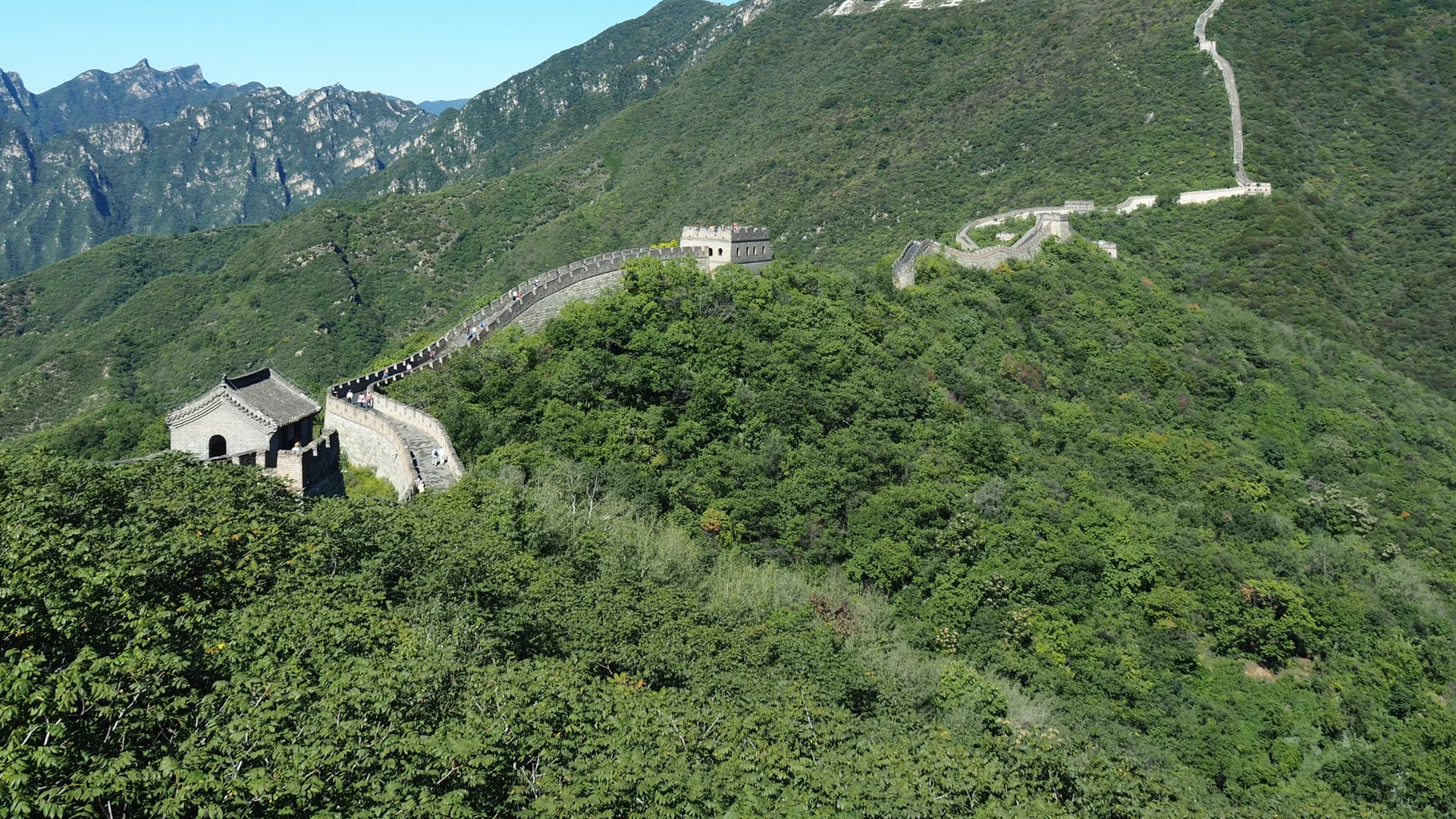 beijing
 Mutianyu Great Wall — The Beijing Wall Stretch That Still Feels Worth The Climb
慕田峪长城 · Mutianyu Changcheng
A rights-safe guide to Mutianyu for travelers who want an iconic Great Wall experience without the worst route mistakes: when to go, how hard the climb really is, and why this section works so well for a first Beijing wall day.
- beijing
- April to May and September to November
- Moderate
 beijing
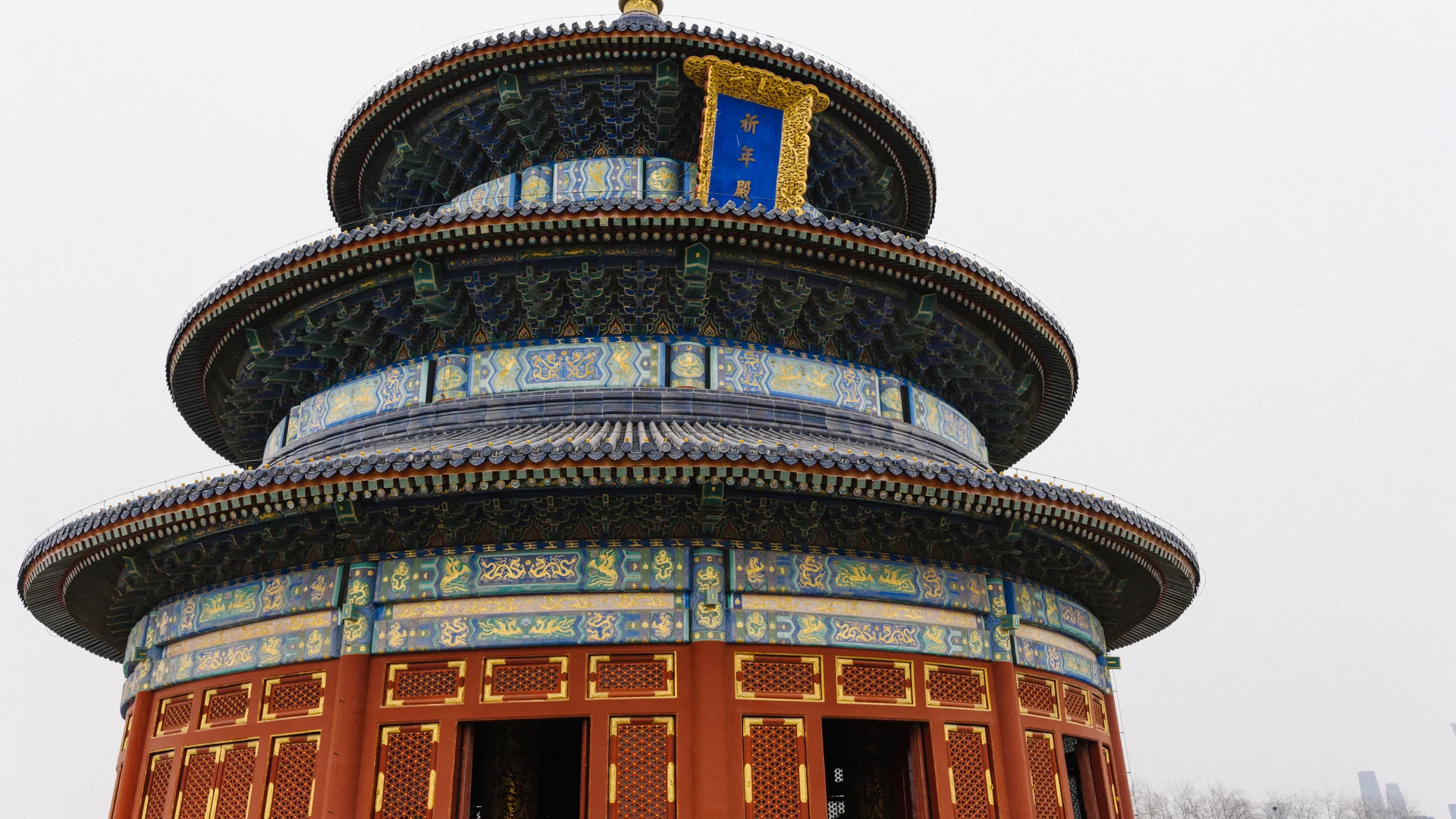
 Temple of Heaven — The Ceremonial Beijing Landmark That Still Reads Best Through Ritual Geometry
天坛 · Tiantan
A rights-safe guide to Temple of Heaven for travelers deciding whether Beijing's great imperial ritual complex deserves dedicated time, with practical notes on geometry, crowd timing, and why the site works best as a ceremonial landscape rather than just a single-hall photo stop.
- beijing
- March to May and September to November
- Easy
 beijing
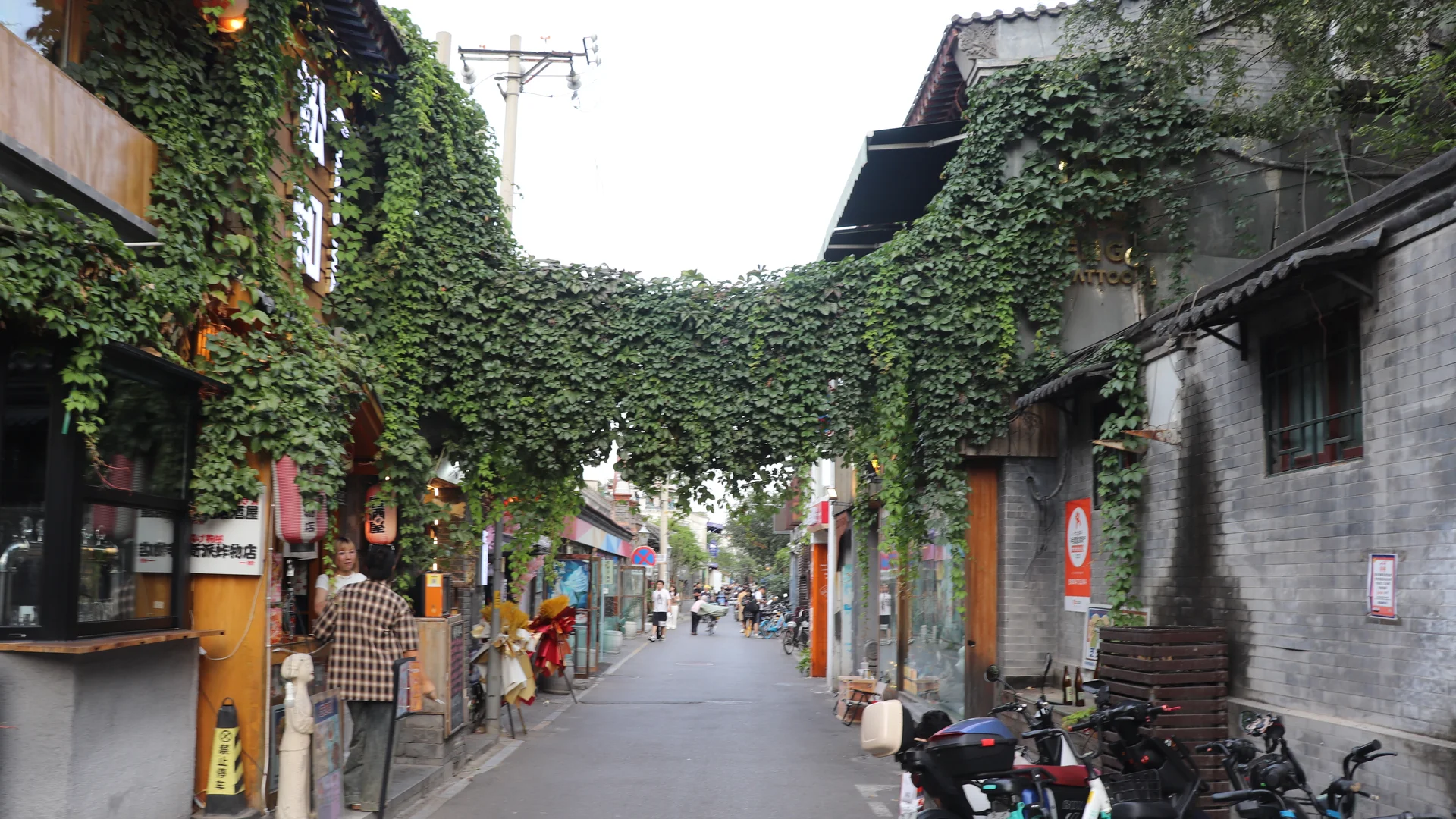
 Wudaoying Hutong — The Beijing Lane That Still Rewards A Slow, Human-Scale Walk
五道营胡同 · Wudaoying Hutong
A rights-safe guide to Wudaoying Hutong for travelers deciding whether this Dongcheng lane deserves time on a Beijing itinerary, with practical notes on city-walk pacing, nearby pairings, crowd timing, and why Wudaoying works best as a human-scale neighborhood segment instead of a pure shopping stop.
- beijing
- Spring and Autumn
- Easy