Quick facts
What to know before you go
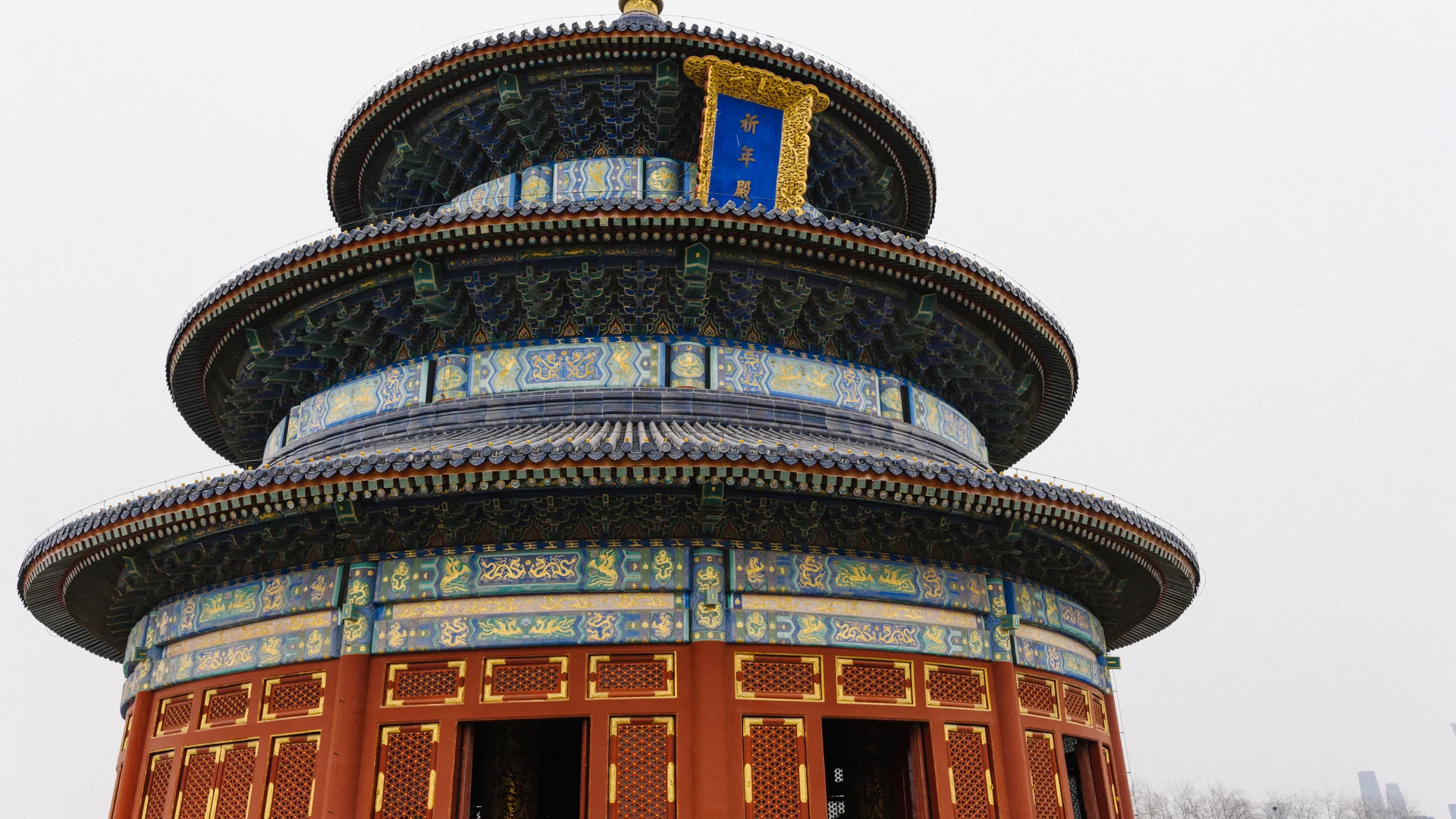
Temple of Heaven — The Ceremonial Beijing Landmark That Still Reads Best Through Ritual Geometry is a curated China Hidden Gems destination in Beijing, selected for travelers who want the place, timing, effort, and logistics in one scan.
- Administrative location
- Beijing
- Chinese name
- 天坛 · Tiantan
- Best season
- March to May and September to November
- Difficulty
- Easy
- Time needed
- 2-4 hours
- Typical cost
- $
- Getting there
- Treat Temple of Heaven as a ceremonial park-and-monument stop that works best when folded into a Central Axis or southeast-Beijing day.
Editorial briefing
Why this place works
A rights-safe guide to Temple of Heaven for travelers deciding whether Beijing's great imperial ritual complex deserves dedicated time, with practical notes on geometry, crowd timing, and why the site works best as a ceremonial landscape rather than just a single-hall photo stop.
Why go
- A rights-safe guide to Temple of Heaven for travelers deciding whether Beijing's great imperial ritual complex deserves dedicated time, with practical notes on geometry, crowd timing, and why the site works best as a ceremonial landscape rather than just a single-hall photo stop.
- Temple of Heaven — The Ceremonial Beijing Landmark That Still Reads Best Through Ritual Geometry gives travelers a concrete reason to plan around Beijing, beijing, not just a generic first-trip city list.
- It is strongest for imperial ritual, central axis, beijing, with enough practical context to compare timing, difficulty, and onward route fit.
Turn this into a trip
Save Temple of Heaven — The Ceremonial Beijing Landmark That Still Reads Best Through Ritual Geometry, then plan around it.
Keep this gem on your device, open it in your bucket list, or start a planner draft with the destination already filled in.
Trip planning intake
Ask whether Temple of Heaven — The Ceremonial Beijing Landmark That Still Reads Best Through Ritual Geometry fits your route.
This is a lightweight planning signal, not an instant concierge. Leave your trip context and a real question, and the team can reply manually after review.
Story visuals
Temple of Heaven — The Ceremonial Beijing Landmark That Still Reads Best Through Ritual Geometry
The Beijing Monument That Becomes Better Once You Stop Treating It As A Single Dome
Temple of Heaven is one of those places that can be flattened by its own fame. Many travelers arrive carrying one image in advance: the blue-roofed Hall of Prayer for Good Harvests. That image is real, strong, and deserved. But if the visit is reduced to that building alone, the destination ends up smaller than it actually is. Temple of Heaven works because it is a ceremonial system. Geometry, walls, open ground, processional logic, and symbolic order all matter just as much as the famous structure.
That shift in framing is important because Beijing already has too many stops that are consumed as icons before they are understood as places. Temple of Heaven is more defensible when the traveler reads it as a ritual landscape in which architecture and emptiness work together. The grandness is not only in the building surfaces. It is in the arrangement, the spacing, and the sense that imperial ceremony required designed distance as much as ornament.
This is also what makes Temple of Heaven valuable as a Beijing Tier B page. Mutianyu gives the city a high-recognition wall experience. Wudaoying gives it an everyday neighborhood surface. Temple of Heaven adds something else entirely: ceremonial urban form. It lets Beijing be read through ritual geometry and state symbolism rather than only through defense, palace scale, or lifestyle texture.
Why It Works
First, the complex has real spatial intelligence. Temple of Heaven is not a bundle of isolated buildings scattered through a park. It is a sequence. Walls, gates, courts, altars, and halls constantly reinforce the idea that the site was designed for movement, hierarchy, and ceremony. Even travelers with no prior interest in ritual architecture tend to feel that order once they slow down enough to read the route.
Second, the site remains emotionally legible in modern travel conditions. Many monumental complexes rely heavily on furnished interiors or object displays to complete their story. Temple of Heaven does not depend on that. It still works through mass, alignment, and setting. That makes it resilient even on crowded days, because the core value is not locked inside one room.
Third, Temple of Heaven is one of the best places in Beijing to understand how imperial cosmology was given physical form. The round-and-square symbolism, the relationship between elevated platforms and open sky, and the way the complex sits within the city's broader axial logic give the visit more depth than a generic historic-site stop.
A fourth reason it works is that it combines monumentality with relief. Unlike some imperial sites that can feel relentlessly dense, Temple of Heaven offers breathing room. Tree-lined expanses and open ceremonial ground keep the experience from becoming visually claustrophobic. That balance helps the stop remain compelling even for travelers who are already carrying heavy Beijing itineraries.
How To Shape The Visit
Start by deciding whether Temple of Heaven is a quick landmark add-on or a proper spatial-reading stop. The second approach is stronger. If you only come to capture the Hall of Prayer and leave, you get a proof photo. If you give the site enough time to understand how the halls, walls, and open platforms relate, the destination becomes more memorable and far more defensible.
The second decision is timing. Temple of Heaven is still in Beijing, which means crowd management matters. Morning usually gives the cleanest reading of the complex, better light on the main structures, and a calmer relationship between architecture and visitor flow. Late afternoon can also work, but the page should tell travelers honestly that the quality of the stop shifts with crowd density.
The third decision is whether you are pairing the site with a larger Central Axis day or treating it as a stand-alone cultural stop. Either can work, but the logic changes. As part of an axis day, Temple of Heaven becomes a southward extension of Beijing's ceremonial spine. On its own, it becomes an opportunity to slow down and understand imperial ritual planning without trying to absorb too many state-scale sites at once.
A fourth decision is expectation management around interior depth. Temple of Heaven is not strongest because of elaborate room-by-room interpretation. It is strongest because the traveler can read ceremonial intent in structure, proportion, and open-air sequence. The page should guide people toward that reading instead of promising a museum-like immersion it does not need.
What To Prioritize
Prioritize the relationship between geometry and movement. The site becomes more persuasive when the traveler notices how symmetry, platforms, and open courts create a ceremonial rhythm.
Prioritize the difference between the major nodes too. The Hall of Prayer, the circular altar logic, and the broader park setting should not blur into one generic "ancient building complex" memory. The page should help people preserve distinctions.
It is also worth prioritizing pacing. Temple of Heaven rewards walking without rushing. If the stop is crammed into a stressed schedule, the site often collapses back into a single-image destination.
A final priority is resisting lazy reverence. Temple of Heaven does not need inflated language to feel important. It is already strong enough as a ritual complex whose order, symbolism, and scale survive translation into contemporary travel.
What Can Go Wrong
The first mistake is treating Temple of Heaven as if it were only the hall on the brochure. That turns a deep ceremonial landscape into a narrow photo errand.
Another mistake is arriving at peak crowd times with no patience for scale reading. The complex can still work under pressure, but only if the traveler understands that it is a system rather than a single viewpoint.
The third mistake is expecting densely furnished interiors or a palace-style narrative arc. Temple of Heaven is different. It works through structure, sky, and symbolic sequencing.
Who Should Save It
Save Temple of Heaven if you care about ceremonial architecture, imperial symbolism, urban order, and places whose meaning is legible in how they are laid out. It is especially strong for travelers who want a Beijing page that feels more reflective and spatially intelligent than a simple landmark tick.
It is weaker for travelers who only want hidden local texture or who have zero patience for large ceremonial complexes. Temple of Heaven is worth it when the traveler is willing to read geometry, ritual intention, and axial logic, not merely collect the dome.
What To Confirm Before You Go
Before finalizing the stop, decide whether you are pairing it with a Central Axis route, what crowd level you can tolerate, and whether you are approaching it as a ceremonial landscape rather than an interior attraction. The honest promise is simple: Temple of Heaven is rewarding when you let its geometry and ritual order do the work.
Traveler actions
Save, check in, share, and help other travelers judge whether this place is worth the trip.
Traveler Comments
Share your Temple of Heaven — The Ceremonial Beijing Landmark That Still Reads Best Through Ritual Geometry experience
Continue exploring
More in beijing
View all →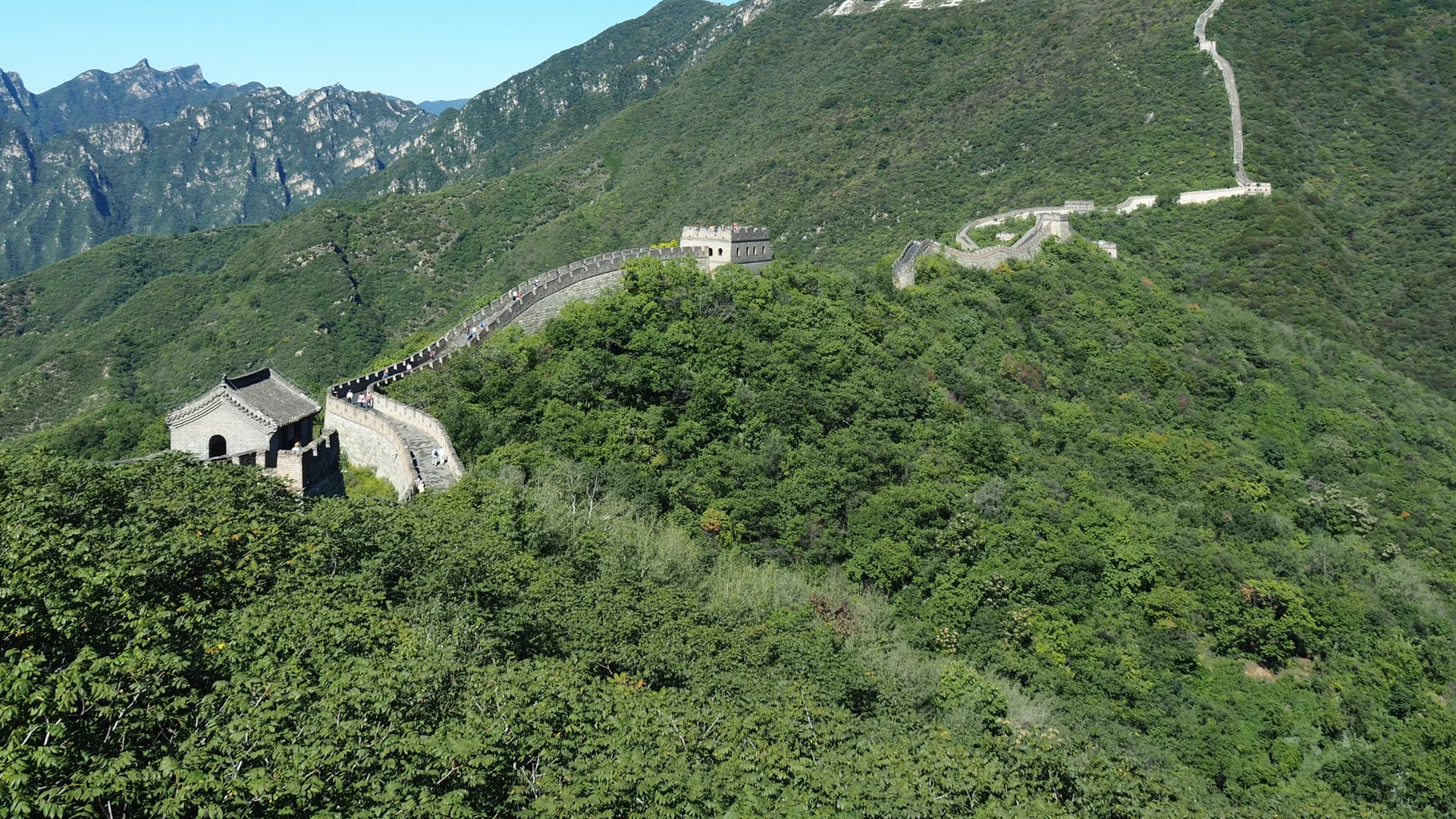 beijing
 Mutianyu Great Wall — The Beijing Wall Stretch That Still Feels Worth The Climb
慕田峪长城 · Mutianyu Changcheng
A rights-safe guide to Mutianyu for travelers who want an iconic Great Wall experience without the worst route mistakes: when to go, how hard the climb really is, and why this section works so well for a first Beijing wall day.
- beijing
- April to May and September to November
- Moderate
 beijing
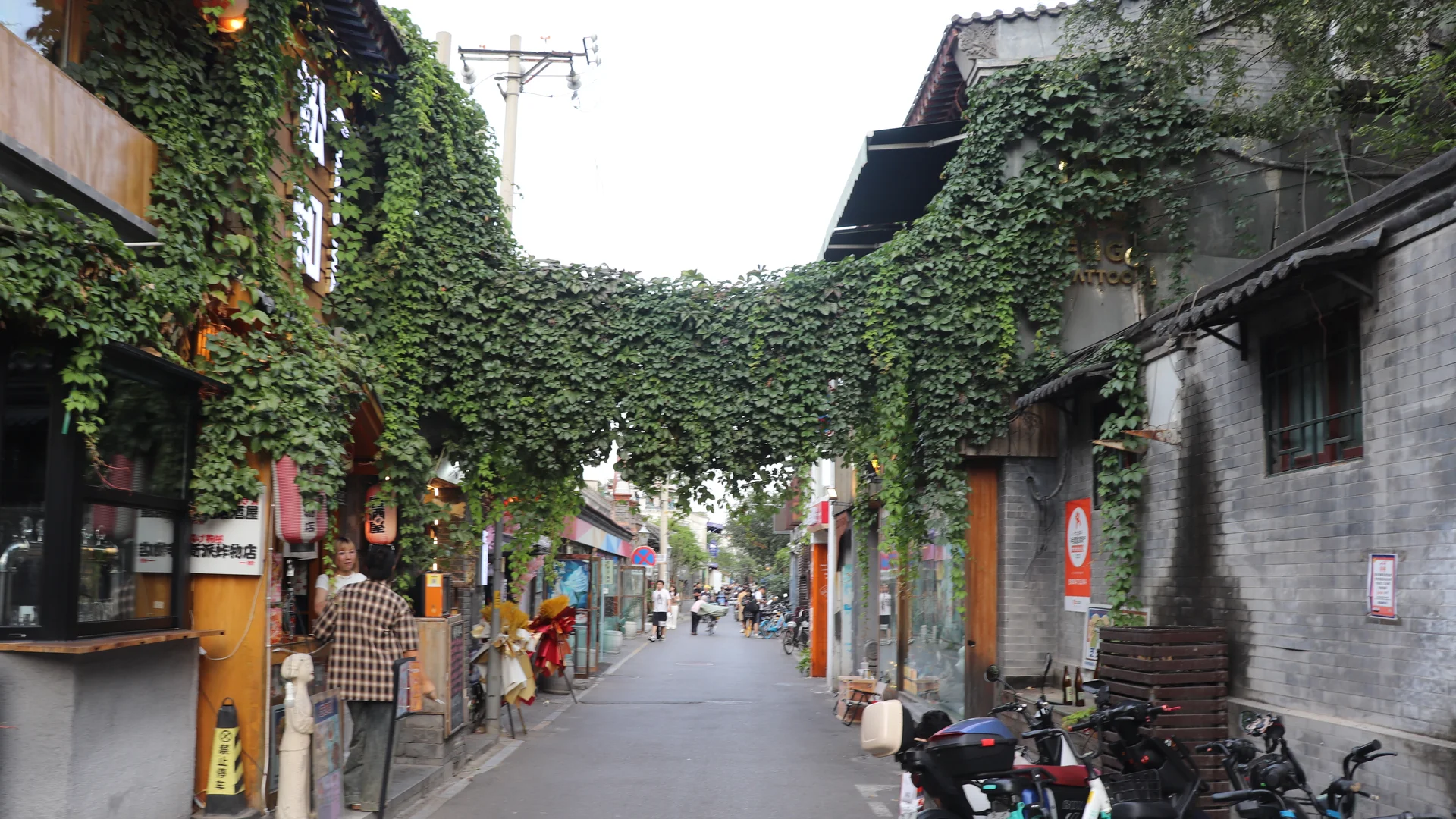
 Wudaoying Hutong — The Beijing Lane That Still Rewards A Slow, Human-Scale Walk
五道营胡同 · Wudaoying Hutong
A rights-safe guide to Wudaoying Hutong for travelers deciding whether this Dongcheng lane deserves time on a Beijing itinerary, with practical notes on city-walk pacing, nearby pairings, crowd timing, and why Wudaoying works best as a human-scale neighborhood segment instead of a pure shopping stop.
- beijing
- Spring and Autumn
- Easy
 beijing
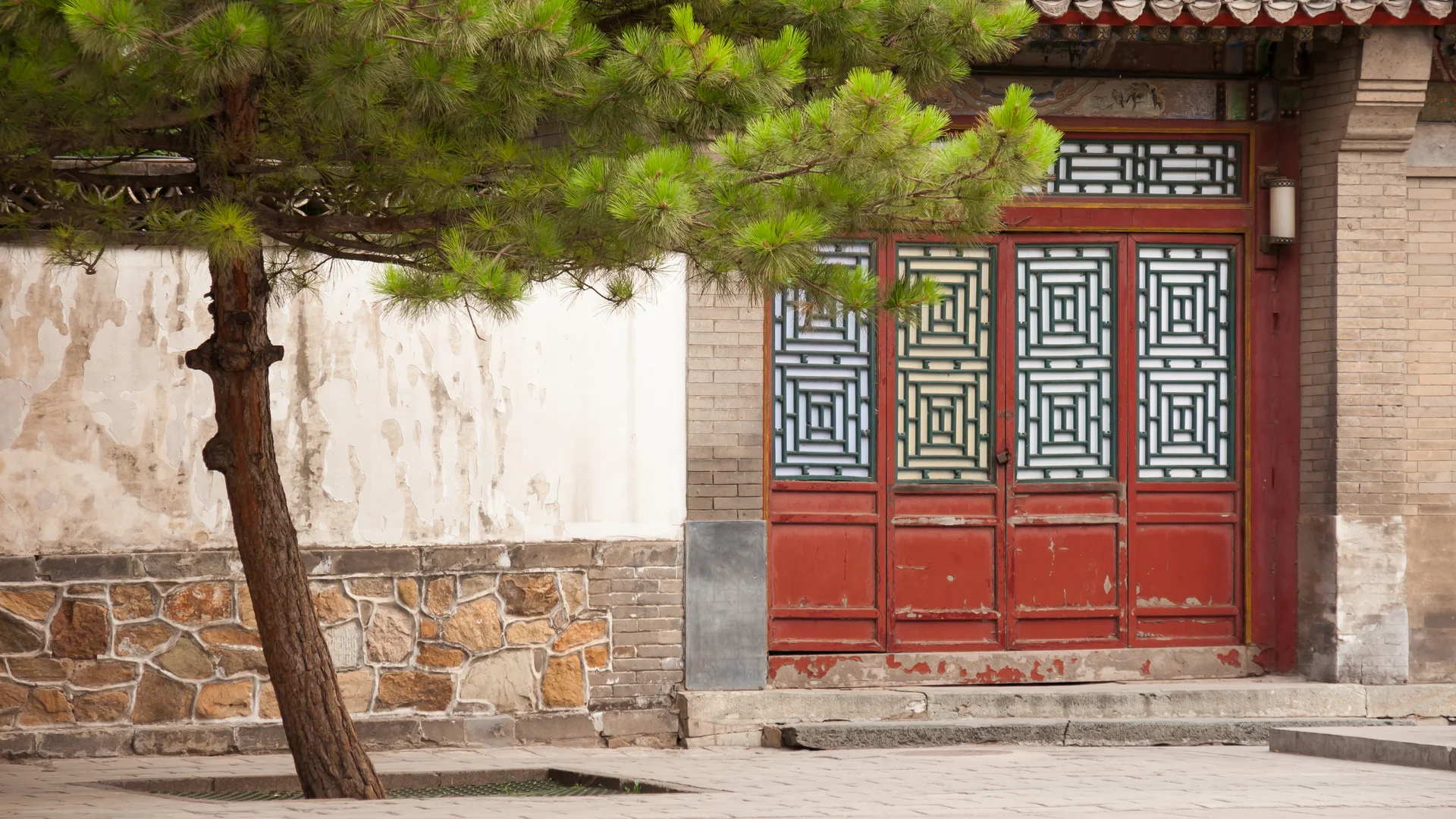
 Summer Palace — The Imperial Landscape That Still Works Through Water, Relief, And Controlled Scale
颐和园 · Yiheyuan
A rights-safe guide to the Summer Palace for travelers deciding whether Beijing's great imperial garden deserves real time, with practical notes on route choice, crowd timing, and why the site works best as a composed lake-and-hill landscape rather than as a generic palace park.
- beijing
- March to May and September to November
- Easy