Quick facts
What to know before you go
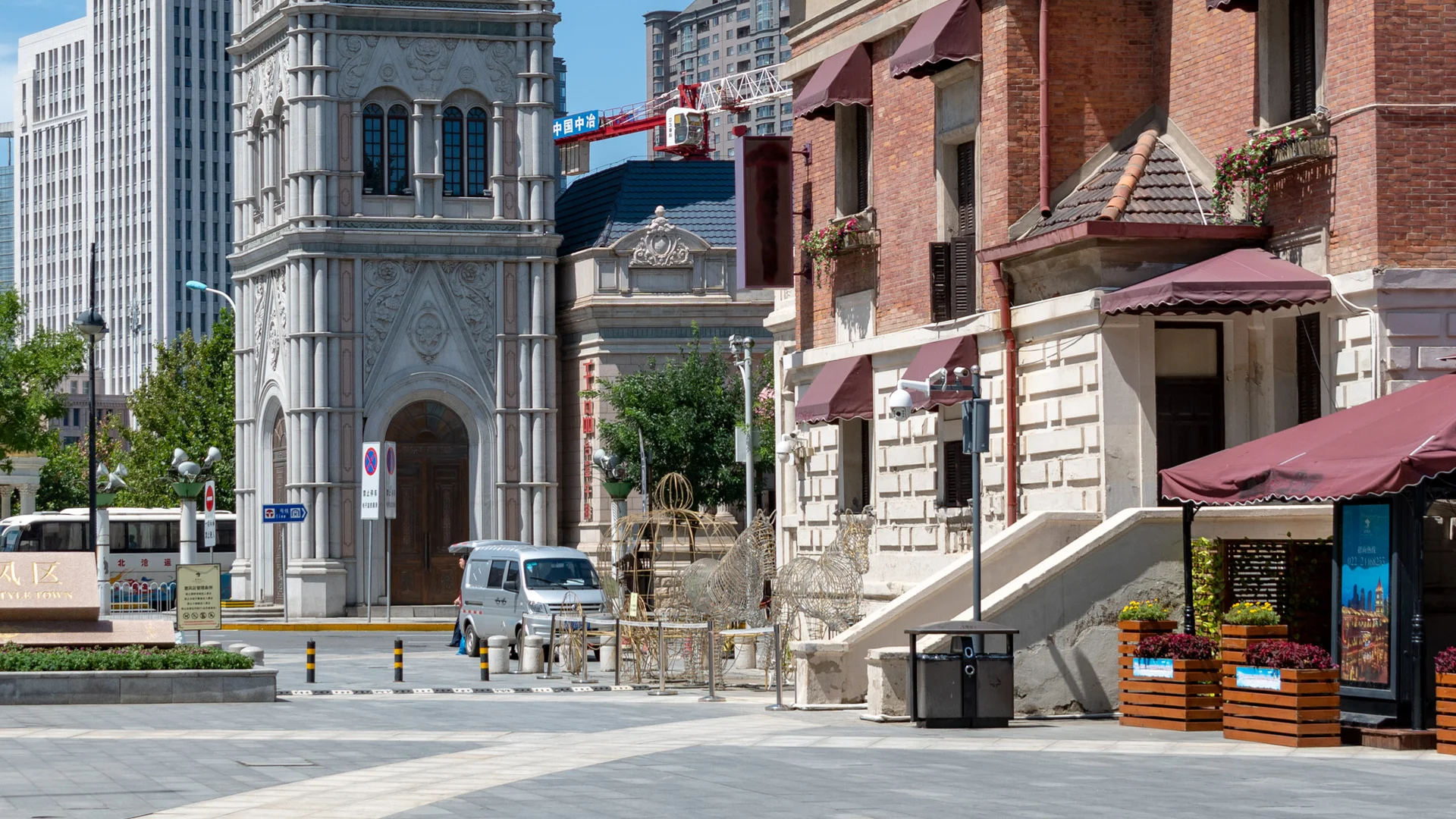
Tianjin Italian Style Town — The Concession District That Still Works As A Walk, Not Just A Theme Set is a curated China Hidden Gems destination in Tianjin, selected for travelers who want the place, timing, effort, and logistics in one scan.
- Administrative location
- Tianjin
- Chinese name
- 天津意式风情区 · Tianjin Yishi Fengqingqu
- Best season
- April to June and September to November
- Difficulty
- Easy
- Time needed
- 2-3 hours
- Typical cost
- $$
- Getting there
- Treat Italian Style Town as a compact district walk best used as an urban mood shift rather than as an all-day main event.
Editorial briefing
Why this place works
A rights-safe guide to Tianjin Italian Style Town for travelers deciding whether this concession-era district deserves time beyond Tianjin's bigger icons, with practical notes on walking rhythm, commercial polish, and why the area works best as an urban mood shift rather than as a fake-Europe novelty stop.
Why go
- A rights-safe guide to Tianjin Italian Style Town for travelers deciding whether this concession-era district deserves time beyond Tianjin's bigger icons, with practical notes on walking rhythm, commercial polish, and why the area works best as an urban mood shift rather than as a fake-Europe novelty stop.
- Tianjin Italian Style Town — The Concession District That Still Works As A Walk, Not Just A Theme Set gives travelers a concrete reason to plan around Tianjin, tianjin, not just a generic first-trip city list.
- It is strongest for district walk, concession era, tianjin, with enough practical context to compare timing, difficulty, and onward route fit.
Turn this into a trip
Save Tianjin Italian Style Town — The Concession District That Still Works As A Walk, Not Just A Theme Set, then plan around it.
Keep this gem on your device, open it in your bucket list, or start a planner draft with the destination already filled in.
Trip planning intake
Ask whether Tianjin Italian Style Town — The Concession District That Still Works As A Walk, Not Just A Theme Set fits your route.
This is a lightweight planning signal, not an instant concierge. Leave your trip context and a real question, and the team can reply manually after review.
Story visuals
Tianjin Italian Style Town — The Concession District That Still Works As A Walk, Not Just A Theme Set
The Tianjin District That Works Best When You Stop Fighting Its Artificiality
Italian Style Town is easy to dismiss because the obvious framing arrives first. Concession-era facades, plazas, restaurants, and leisurely pedestrian streets can look like the kind of packaged district that offers atmosphere faster than substance. That suspicion is not irrational. The wrong visit can indeed reduce the place to ornamental Europe-in-Tianjin shorthand. But the district is better than that when treated correctly.
The key is to stop asking it to be either fully authentic or fully fake. Neither frame is useful. Italian Style Town works because it still holds together as a walk. The buildings, the street widths, the plazas, the river-city adjacency, and the shift in civic mood from the rest of Tianjin all create a coherent district experience. The value is not that you have discovered an untouched foreign enclave. The value is that Tianjin briefly changes register in a way that remains spatially legible.
A premium page should therefore protect the district from both mockery and overpraise. It is not one of China's deepest historical surfaces, but it is also not an empty stage set that can be written off after one photo. It earns a page because it does something concrete: it creates a short, usable urban walk with a different geometry and emotional tempo from the rest of the city.
Why It Works
First, the district gives Tianjin more than one concession-era vocabulary. Five Great Avenues already covers one version of boulevard-and-villa Tianjin. Italian Style Town gives another: tighter, plaza-led, more overtly staged, and more suited to a shorter district walk. That distinction matters. The city gets richer when those two pages are not forced into one generic concession bucket.
Second, the district rewards scale discipline. Italian Style Town is not large enough to sustain grand claims about total immersion, and that is precisely why it can work so well. In a compact area, the visitor can read facades, courtyards, signage, street furniture, and café frontage without turning the stop into a logistical project. Used correctly, the district becomes a smart architectural interlude.
Third, it supports a kind of urban travel that many people undervalue: controlled contrast. Not every good city stop has to be raw, monumental, or historically overwhelming. Sometimes the point is that the district changes your cadence for a few hours and gives the city another texture. Italian Style Town can do that if the traveler lets it.
How To Shape The Visit
Start by deciding whether the district is mood-first or attraction-first. Mood-first is stronger. If you enter only to collect landmarks or consume a meal under decorative facades, the stop may feel shallow. If you enter to walk, notice proportions, and let the district function as a spatial shift, it becomes much more persuasive.
The second decision is time of day. Italian Style Town is highly sensitive to timing because light, crowd density, and restaurant activity reshape the district's tone. In quieter hours, the architecture and street rhythm stand out more. Later, the area can feel more social and stage-managed. Neither mode is automatically wrong, but they are different products.
The third decision is whether to compare it aggressively against European originals or to read it on its own terms. The second approach is better. The district does not need to win authenticity arguments to justify a visit. It only needs to function as a coherent part of Tianjin's urban fabric, and on that level it often succeeds.
A fourth decision is how much to pair it with nearby city walking. Italian Style Town is strong as a district segment, not necessarily as the whole day. The page should guide travelers toward that scale rather than overstating the standalone depth of the area.
What To Prioritize
Prioritize the walk itself. The district is better as a continuous atmosphere than as a set of isolated facades. Travelers should notice how street widths, corners, plazas, and storefront rhythms interact rather than only photographing whichever building looks most “European.”
Prioritize tone honesty too. Italian Style Town is polished and commercial. That is visible. But polish does not automatically cancel value. The page should help users distinguish between “curated” and “worthless,” because confusing those two leads to bad judgment.
It is also worth prioritizing contrast with the rest of Tianjin. The district becomes more memorable when visited in relation to other city textures, not in isolation from them. This comparative reading is part of what gives the stop intelligence rather than novelty.
A final priority is avoiding parody language. The district does not need irony, nor does it need romantic fantasy. What it needs is clear framing: this is a compact concession-era walk whose strength lies in mood, proportion, and urban contrast, not in total historic purity.
What Can Go Wrong
The first mistake is treating the district as proof of foreignness rather than as one layer of Tianjin's own urban history. That frame usually produces a thinner visit.
The second mistake is expecting too much depth from too small an area. Italian Style Town is a district segment, not a city in miniature. If the traveler gives it the wrong job, it can feel underweight.
The third mistake is reducing the whole stop to food or nightlife. Those parts are real, but the district's actual strength is that the architecture and streets can still carry a walk before or beyond consumption.
Who Should Save It
Save Tianjin Italian Style Town if you enjoy district walks, concession-era urban texture, and short architectural mood shifts within a larger city. It is especially useful for travelers who want Tianjin to feel more layered than one single historic boulevard district.
It is weaker for travelers who only want uncompromised authenticity or who dislike curated commercial quarters on principle. Italian Style Town is worth it when the traveler values urban contrast more than ideological purity.
What To Confirm Before You Go
Before finalizing the stop, confirm whether you want a quieter architectural walk or a livelier social window, and use the district at the scale it deserves. The honest promise is simple: Italian Style Town is rewarding when you visit it as a compact concession-era mood shift, not as a fantasy Europe substitute.
Traveler actions
Save, check in, share, and help other travelers judge whether this place is worth the trip.
Traveler Comments
Share your Tianjin Italian Style Town — The Concession District That Still Works As A Walk, Not Just A Theme Set experience
Continue exploring
More in tianjin
View all →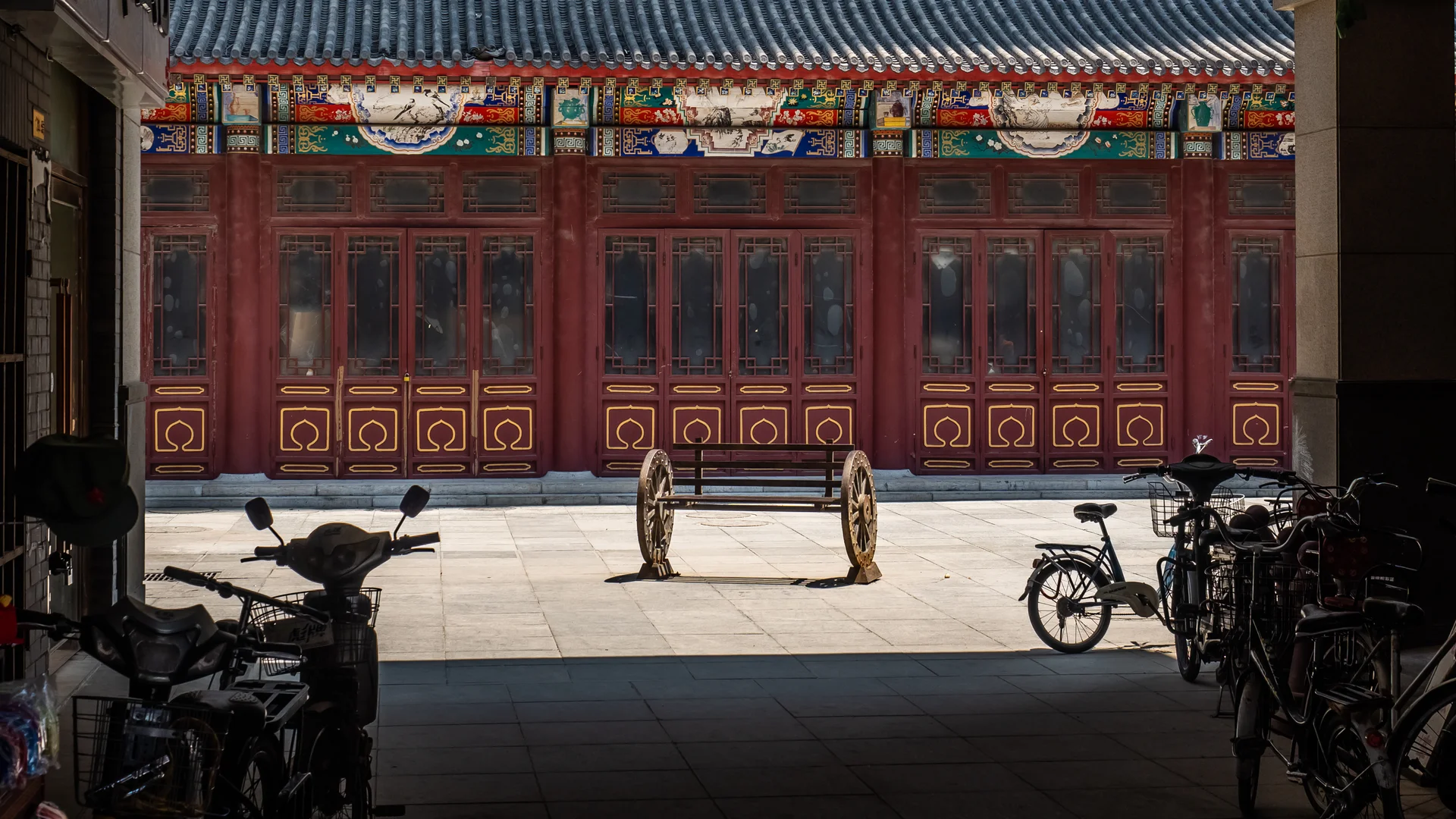 tianjin
 Ancient Culture Street — The Tianjin Heritage Strip That Works Through Density, Temple Energy, And Folk Texture
古文化街 · Guwenhua Jie
A rights-safe guide to Ancient Culture Street for travelers deciding whether Tianjin's best-known heritage strip deserves more than a quick pass-through, with practical notes on density, street texture, and why the area works best through temple-adjacent public life rather than through nostalgia alone.
- tianjin
- March to May and September to November
- Easy
 tianjin
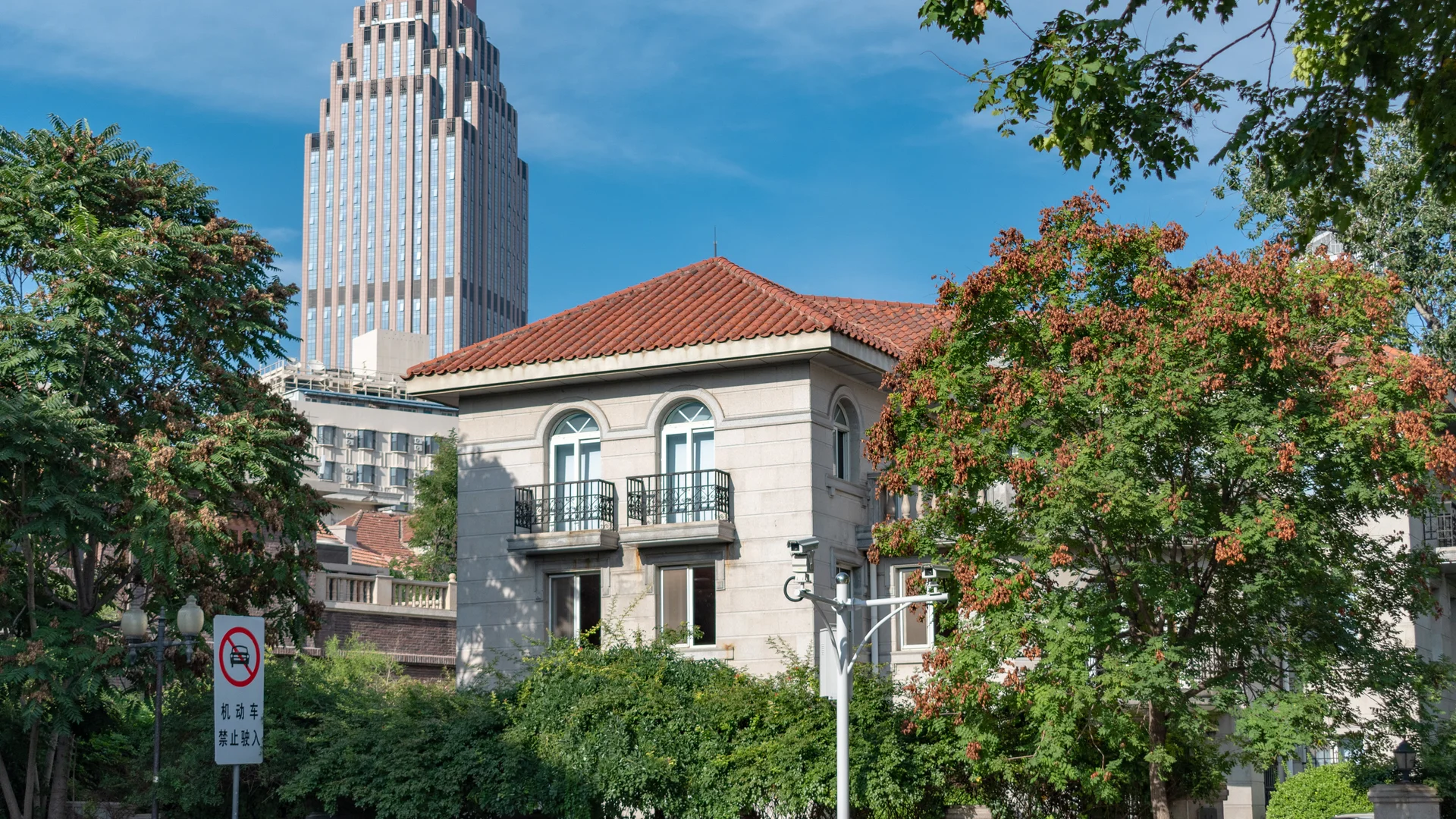
 Five Great Avenues — The Concession District That Rewards Wandering, Not Checklists
五大道 · Wudadao
A rights-safe guide to Tianjin's Five Great Avenues for travelers planning a slow architecture district walk, with honest notes on walking versus cycling, why the neighborhood is stronger as a drift than a checklist, and how to pair Tianjin food after the district rather than inside it.
- tianjin
- April to June and September to October
- Easy