Quick facts
What to know before you go
Ancient Culture Street — The Tianjin Heritage Strip That Works Through Density, Temple Energy, And Folk Texture is a curated China Hidden Gems destination in Tianjin, selected for travelers who want the place, timing, effort, and logistics in one scan.
- Administrative location
- Nankai District, Tianjin
- Chinese name
- 古文化街 · Guwenhua Jie
- Best season
- March to May and September to November
- Difficulty
- Easy
- Time needed
- 1-3 hours
- Typical cost
- $
- Getting there
- Treat Ancient Culture Street as a compact street-and-temple stop that works best with realistic crowd expectations and focused timing.
Editorial briefing
Why this place works
A rights-safe guide to Ancient Culture Street for travelers deciding whether Tianjin's best-known heritage strip deserves more than a quick pass-through, with practical notes on density, street texture, and why the area works best through temple-adjacent public life rather than through nostalgia alone.
Why go
- A rights-safe guide to Ancient Culture Street for travelers deciding whether Tianjin's best-known heritage strip deserves more than a quick pass-through, with practical notes on density, street texture, and why the area works best through temple-adjacent public life rather than through nostalgia alone.
- Ancient Culture Street — The Tianjin Heritage Strip That Works Through Density, Temple Energy, And Folk Texture gives travelers a concrete reason to plan around Tianjin, tianjin, not just a generic first-trip city list.
- It is strongest for heritage street, tianjin, folk culture, with enough practical context to compare timing, difficulty, and onward route fit.
Turn this into a trip
Save Ancient Culture Street — The Tianjin Heritage Strip That Works Through Density, Temple Energy, And Folk Texture, then plan around it.
Keep this gem on your device, open it in your bucket list, or start a planner draft with the destination already filled in.
Trip planning intake
Ask whether Ancient Culture Street — The Tianjin Heritage Strip That Works Through Density, Temple Energy, And Folk Texture fits your route.
This is a lightweight planning signal, not an instant concierge. Leave your trip context and a real question, and the team can reply manually after review.
Story visuals
Ancient Culture Street — The Tianjin Heritage Strip That Works Through Density, Temple Energy, And Folk Texture
The Tianjin Street That Works When You Accept Density Instead Of Looking For Purity
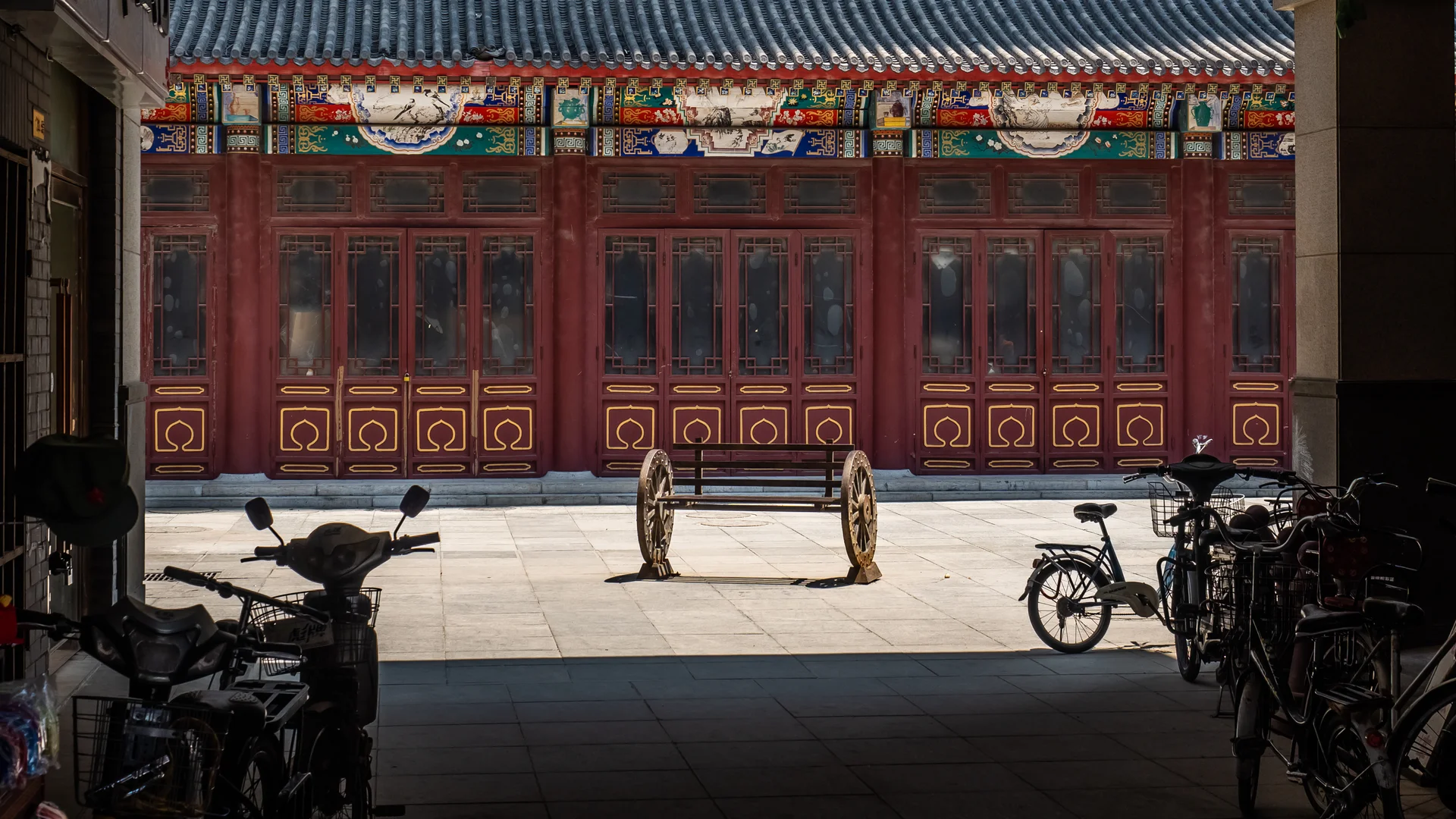
Ancient Culture Street is easy to misjudge. Travelers who arrive expecting untouched old-city serenity can dismiss it too quickly once they encounter commerce, foot traffic, and the obvious signs of a heritage strip that knows it is being visited. That is the wrong frame. The street works because of density. Temple proximity, storefront rhythm, folk texture, and compressed public energy all combine into a destination whose value lies in atmosphere and urban continuity rather than in frozen historical purity.
That distinction matters because Tianjin already has strong built-heritage pages with very different logic. Italian Style Town works through concession-era flavor. Five Great Avenues works through boulevard villas and broad urban frontage. Ancient Culture Street is tighter, more crowded, and more immediately performative. It is about street-level cultural texture, not urban grandeur. That difference is enough to justify the page.
A premium page should therefore resist two lazy framings. The first is pretending the street is a perfectly preserved ancient district. The second is dismissing it as mere tourist packaging. The more honest and more useful framing is that Ancient Culture Street works as a concentrated folk-heritage corridor whose temple adjacency, visual density, and commercial-public rhythm still make it legible and worthwhile.
Why It Works
First, the street has immediate texture. Shopfronts, signs, temple elements, and repeated architectural motifs give the area a recognizably different rhythm from ordinary commercial city space. That matters because some heritage streets feel interchangeable after one block. This one retains enough distinctive texture to justify focused attention.
Second, the area benefits from public compression. Ancient Culture Street is not a large zone meant for endless wandering. It is stronger as a compact urban strip where temple energy, souvenir logic, pedestrian flow, and old-style visual language push against one another. That compression creates memorable atmosphere when the traveler arrives with realistic expectations.
Third, the street is useful for Tianjin because it broadens the city's editorial range. Without it, Tianjin risks leaning too heavily on concession-era and boulevard heritage. Ancient Culture Street adds a more folk-cultural, popular-heritage surface. That matters for destination diversity.
A fourth reason it works is that it can still deliver value in a relatively short window. The area does not necessarily require a whole day. But it does need enough presence for the traveler to read the street as a living public corridor and not only as a retail line.
How To Shape The Visit
Start by deciding whether this is a street-first or temple-first stop. Either can work, but the strongest route usually lets the street texture and Tianhou Temple energy explain each other instead of isolating one from the other.
The second decision is crowd tolerance. This is not a low-pressure hidden lane. The page should say that plainly. Ancient Culture Street is better when travelers understand that some of its value comes from public density and timing it well, not from pretending the street should feel empty.
The third decision is expectation discipline around authenticity. The stop is easier to value when you stop asking whether every storefront feels untouched and start asking whether the corridor still expresses a recognizable cultural-public rhythm. That is the more useful travel question.
A fourth decision is whether to pair it with broader Tianjin heritage or keep it compact. Both can work, but the area usually performs best when it remains a short, focused street stop rather than one more overloaded item inside a city day with no attention budget left.
What To Prioritize
Prioritize street texture and temple context. That combination is the main argument.
Prioritize timing too. The street's atmosphere shifts a lot with crowd pressure.
It is also worth prioritizing realistic expectations about scale. Ancient Culture Street is compact and should be judged on those terms.
A final priority is keeping the language honest. This is a folk-heritage strip, not a purified historical quarter.
What Can Go Wrong
The first mistake is expecting tranquil old-city purity and rejecting the street for being lively and commercial.
Another mistake is rushing through so quickly that the texture never gets a chance to register.
The third mistake is treating the stop as generic retail and ignoring its temple-adjacent cultural setting.
Who Should Save It
Save Ancient Culture Street if you care about compact urban heritage corridors, public folk texture, and destinations where atmosphere comes from density rather than from stillness. It is especially good for travelers who want Tianjin to feel broader than concession façades alone.
It is weaker for travelers who want only quiet preservation or who dislike busy heritage-commercial streets. Ancient Culture Street is worth it when the traveler is willing to let public texture and temple context do the work.
What To Confirm Before You Go
Before finalizing the stop, decide whether you want a quick street-and-temple read or a slightly slower urban texture stop, choose a crowd window that matches your tolerance, and avoid judging the place by the standards of an empty museum district. It also helps to decide in advance how much of the visit is for texture and how much is for temple-adjacent heritage context, because the strip gets stronger when those two readings support one another. The honest promise is simple: Ancient Culture Street is rewarding when you treat it as a dense heritage corridor with real public energy, not as a purity test.
Traveler actions
Save, check in, share, and help other travelers judge whether this place is worth the trip.
Traveler Comments
Share your Ancient Culture Street — The Tianjin Heritage Strip That Works Through Density, Temple Energy, And Folk Texture experience
Continue exploring
More in tianjin
View all →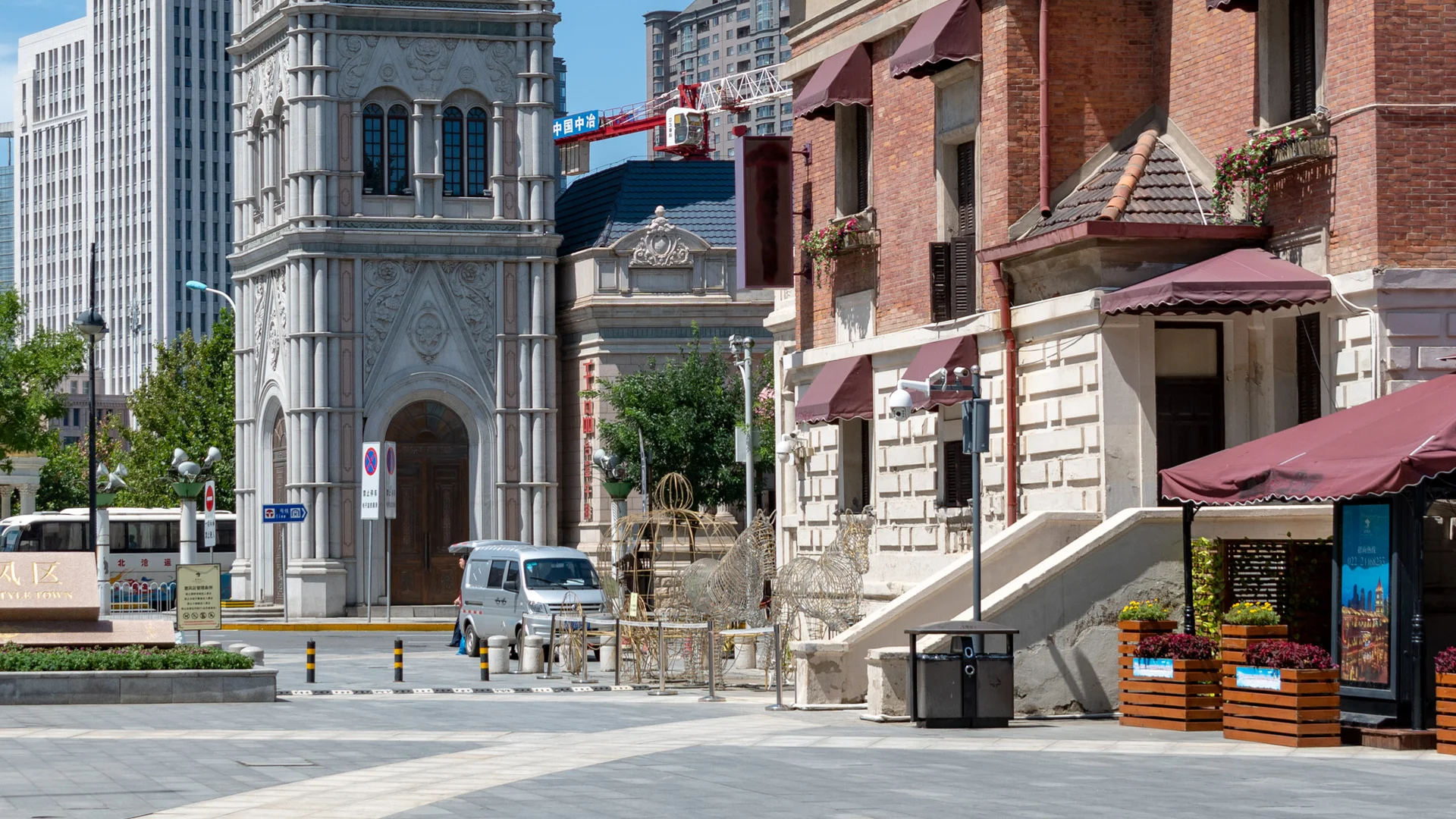 tianjin
 Tianjin Italian Style Town — The Concession District That Still Works As A Walk, Not Just A Theme Set
天津意式风情区 · Tianjin Yishi Fengqingqu
A rights-safe guide to Tianjin Italian Style Town for travelers deciding whether this concession-era district deserves time beyond Tianjin's bigger icons, with practical notes on walking rhythm, commercial polish, and why the area works best as an urban mood shift rather than as a fake-Europe novelty stop.
- tianjin
- April to June and September to November
- Easy
 tianjin
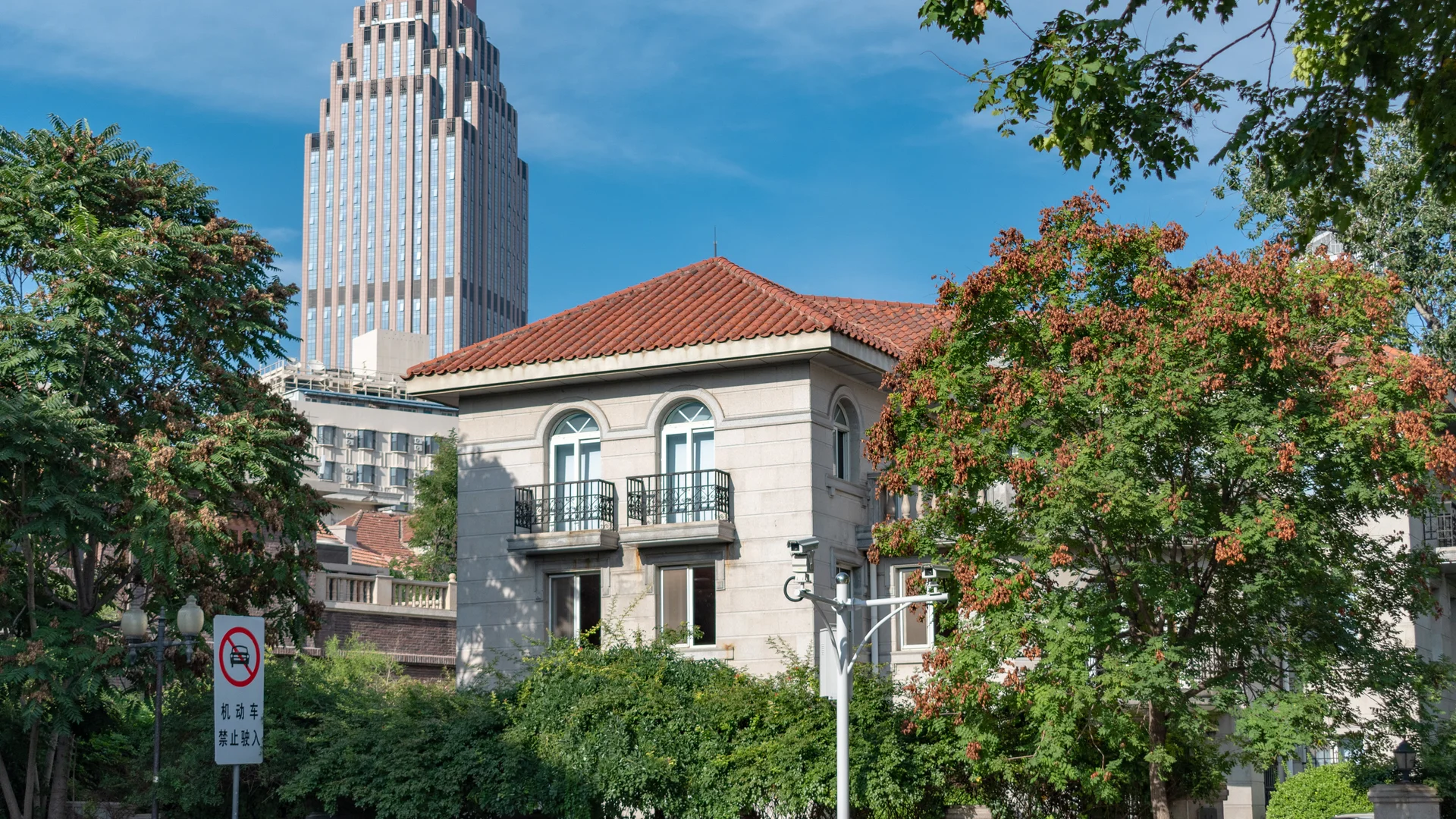
 Five Great Avenues — The Concession District That Rewards Wandering, Not Checklists
五大道 · Wudadao
A rights-safe guide to Tianjin's Five Great Avenues for travelers planning a slow architecture district walk, with honest notes on walking versus cycling, why the neighborhood is stronger as a drift than a checklist, and how to pair Tianjin food after the district rather than inside it.
- tianjin
- April to June and September to October
- Easy