Quick facts
What to know before you go
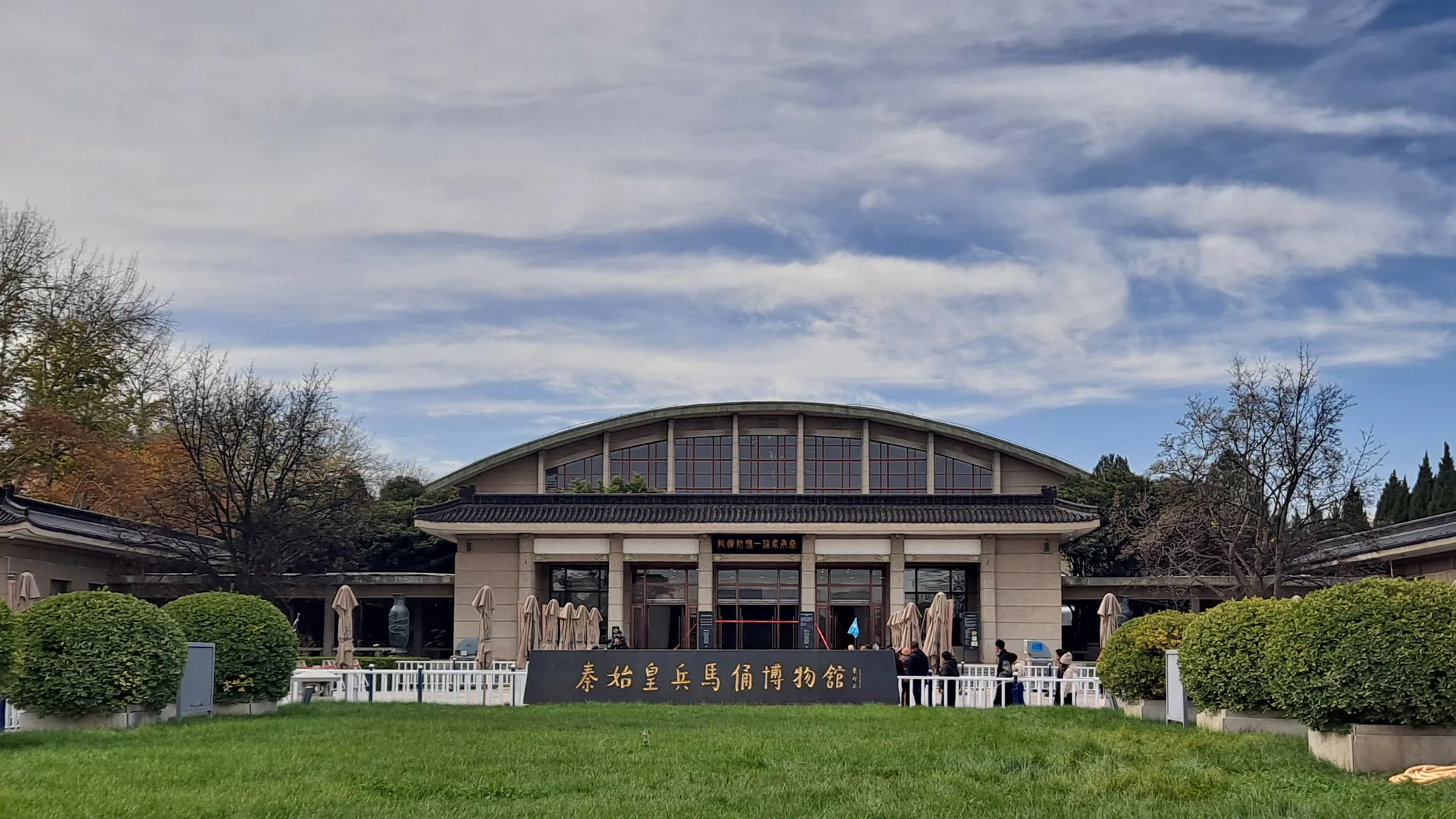
Terracotta Warriors — The Archaeological Site That Still Justifies The Hype is a curated China Hidden Gems destination in Shaanxi, selected for travelers who want the place, timing, effort, and logistics in one scan.
- Administrative location
- Xi'an, Shaanxi
- Chinese name
- 兵马俑 · Bingmayong
- Best season
- March to May and September to November
- Difficulty
- Easy
- Time needed
- Half day to one full heritage day
- Typical cost
- $$
- Getting there
- Base in Xi'an and plan the Terracotta Warriors as a dedicated heritage outing with realistic transfer time and pit sequencing.
Official planning links
Editorial briefing
Why this place works
A rights-safe guide to the Terracotta Warriors for travelers deciding how much time and context the site deserves, with honest notes on pit sequencing, guide value, museum scale, and why the archaeological experience still lands.
Why go
- A rights-safe guide to the Terracotta Warriors for travelers deciding how much time and context the site deserves, with honest notes on pit sequencing, guide value, museum scale, and why the archaeological experience still lands.
- Terracotta Warriors — The Archaeological Site That Still Justifies The Hype gives travelers a concrete reason to plan around Xi'an, shaanxi, not just a generic first-trip city list.
- It is strongest for history, unesco, archaeology, with enough practical context to compare timing, difficulty, and onward route fit.
Turn this into a trip
Save Terracotta Warriors — The Archaeological Site That Still Justifies The Hype, then plan around it.
Keep this gem on your device, open it in your bucket list, or start a planner draft with the destination already filled in.
Trip planning intake
Ask whether Terracotta Warriors — The Archaeological Site That Still Justifies The Hype fits your route.
This is a lightweight planning signal, not an instant concierge. Leave your trip context and a real question, and the team can reply manually after review.
Story visuals
Terracotta Warriors — The Archaeological Site That Still Justifies The Hype
The Famous Site That Needs More Than A Photo
The Terracotta Warriors are one of the easiest destinations in China to recognize and one of the easiest to flatten into cliché. Almost every traveler already knows the headline: thousands of clay soldiers, buried with Qin Shi Huang, discovered in the 1970s, unlike anything else in the world. That recognition is useful, but it can also make the page lazy if it relies only on scale and surprise.
The page needs a better promise. The Terracotta Warriors are not impressive only because there are many of them. They matter because the site changes how a traveler understands early imperial China: military organization, funerary ambition, production scale, and the political imagination of the first emperor. Once that context is visible, the pits stop feeling like a famous room full of statues and start feeling like one of the most consequential archaeological discoveries anywhere.
Why It Works
The first reason the site works is that the visual shock still survives the fame. Standing over Pit 1 and seeing formation after formation stretching into the excavation hall is not ordinary museum viewing. The quantity lands immediately, even if the traveler arrives already familiar with the image.
The second reason is that the site rewards sequencing and interpretation. If the traveler only glances at the biggest pit and leaves, the experience can feel thinner than expected. But if the page helps them understand how the pits differ, why the command structure matters, and why preservation is uneven, the visit becomes much richer without requiring academic expertise.
The third reason is route utility. The Terracotta Warriors are not inside central Xi'an, which means transport, timing, and energy actually matter. That makes the page useful in the same way ChinaHiddenGems pages are supposed to be useful: not just selling the object, but helping the traveler shape the day around it.
How To Plan The Visit
Treat the Terracotta Warriors as a dedicated heritage outing from Xi'an, not as a random museum stop between city wall photos and street food. The site is easy enough to access, but the value still depends on going with a plan: how much time you have, whether you want a guide, which pit you will prioritize, and whether the day should include another heavy heritage stop or not.
For many travelers, starting with Pit 1 still makes sense because it delivers the scale first. But the page should not make that sound mandatory in a rigid way. The real point is that the pits are not duplicates. They serve different interpretive roles, and travelers who understand that difference are much less likely to leave feeling they saw “one impressive room three times.”
Guide value should be framed honestly. The site is visually strong on its own, but for many visitors the historical and archaeological explanation materially improves the experience. That does not mean everyone needs a private guide. It means context changes the quality of the visit enough that the page should say so plainly.
What To Prioritize
Prioritize Pit 1 for scale, then use the later pits and associated museum surfaces to turn the site from spectacle into meaning. The most useful framing is not “see every corner.” It is “build from impact toward understanding.”
That also means being honest about crowds. This is not a secret site and should never be sold as one. The reward is not empty space. The reward is that even in a managed, famous setting, the excavation still communicates extraordinary scale and historical ambition.
The page should also give space to the archaeological process itself. Part of what makes the site memorable is seeing restoration, incomplete excavation, and figures in different states of preservation. Those uneven conditions are not disappointments. They are evidence that the site is still being studied and protected, not just staged for display.
Who Should Save It
Save the Terracotta Warriors if you care about archaeology, ancient state power, iconic China heritage, or Xi'an as more than a food-and-wall stop. This page is strongest for first-time visitors who want at least one deep historical anchor in northwestern China.
It is weaker for travelers who dislike large, famous museum-style sites or want spontaneous low-structure exploration. The site is excellent, but it is fundamentally a major heritage attraction with controlled flow and heavy visitor demand.
What To Confirm Before You Go
Before finalizing the route, confirm current museum opening hours, transport assumptions from Xi'an, whether ticketing or queue patterns have shifted, and what current on-site guidance is available. Also decide whether the Terracotta Warriors should be the main event of the day or one part of a longer Xi'an plan.
The trustworthy promise is not that the site will feel empty or effortless. It is that the experience still justifies the hype if the traveler arrives with enough context and enough time to let the archaeology speak.
How To Use This Page In The Tools
This page should hand off to the planner as a heritage anchor, not a generic Xi'an stop. The useful prompt is “plan a Xi'an day around the Terracotta Warriors with realistic transport time, strong pit sequencing, and one lighter city follow-up rather than stacking too many heavy heritage stops.”
That framing also helps save behavior. Many travelers know they probably “should” see the Warriors, but they are unsure whether it will feel too obvious. This page should convert that vague obligation into a confident decision by explaining why the site is still worth the time — and what kind of visit gets the most out of it.
Traveler actions
Save, check in, share, and help other travelers judge whether this place is worth the trip.
Traveler Comments
Share your Terracotta Warriors — The Archaeological Site That Still Justifies The Hype experience
Continue exploring
More in shaanxi
View all →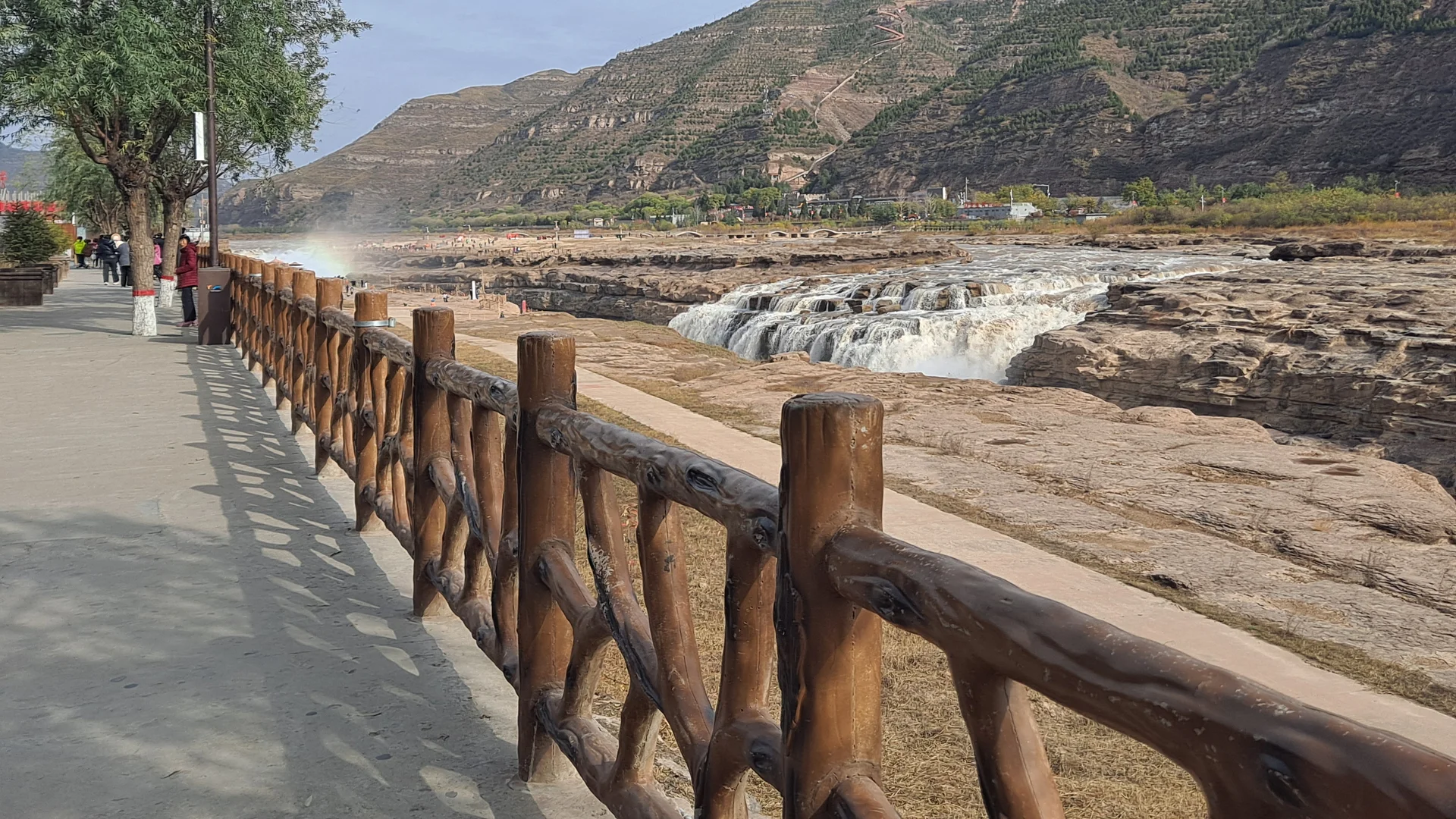 shaanxi
 Hukou Waterfall — The Yellow River Force Spot That Works Best When You Accept Sheer Volume Over Elegance
壶口瀑布 · Hukou Pubu
A rights-safe guide to Hukou Waterfall for travelers deciding whether the Yellow River's most forceful stop deserves the detour, with practical notes on season, river volume, and why Hukou works best as a power encounter rather than as a delicate scenic walk.
- shaanxi
- April to May and September to October
- Easy
 shaanxi
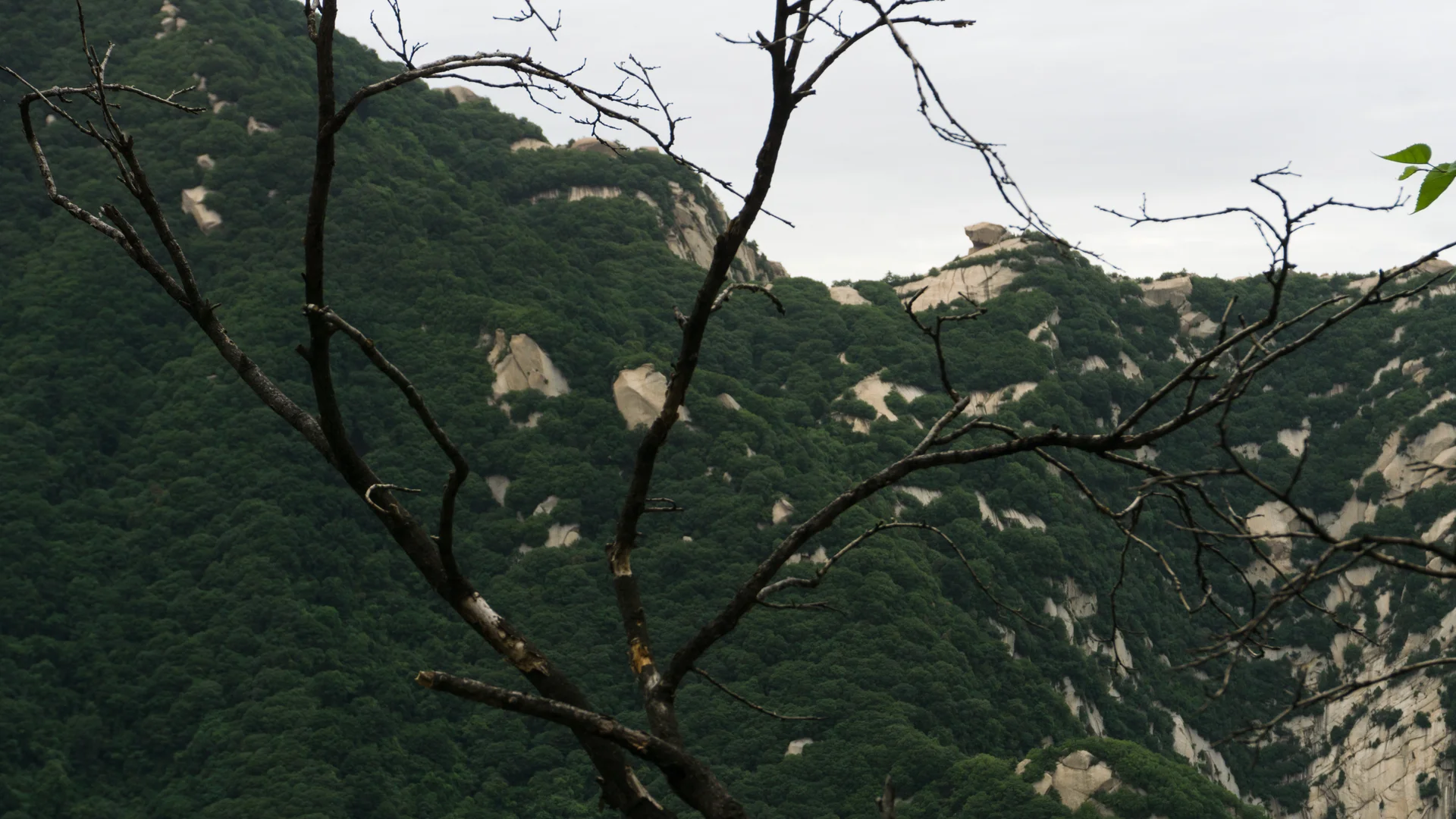
 Mount Huashan — The Sacred Ridge Route That Rewards Nerve And Planning
华山 · Huashan
A rights-safe guide to Mount Huashan for travelers deciding how much exposure, cableway use, and summit sequencing they actually want, with honest notes on same-day versus overnight routes and why Huashan is stronger as a ridge system than as a viral fear clip.
- shaanxi
- April to June and September to November
- Challenging