Quick facts
What to know before you go
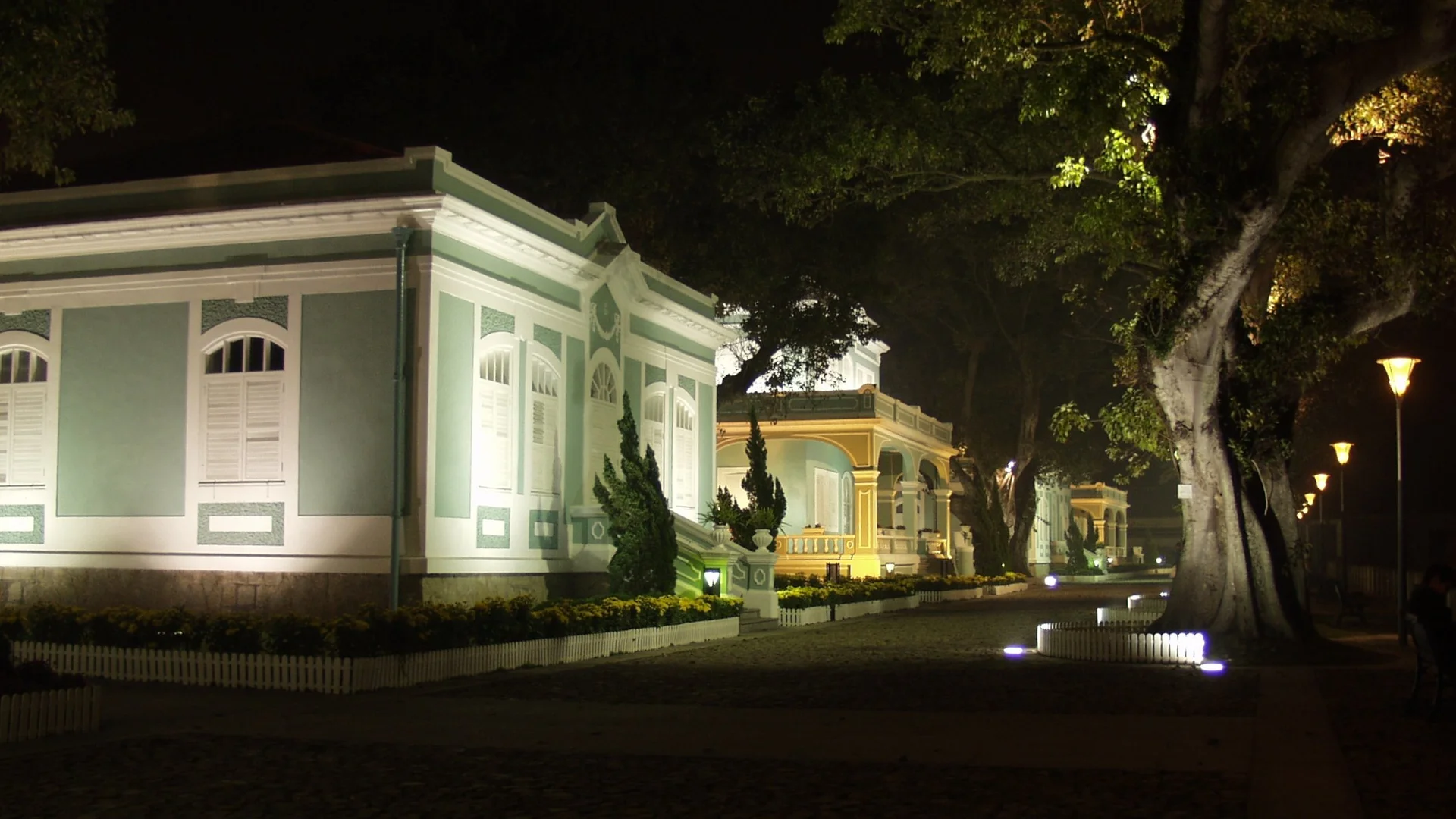
Taipa Heritage Route — The Macao Quarter Where Streets, Houses, And Snacks Still Hold Together is a curated China Hidden Gems destination in Macao, selected for travelers who want the place, timing, effort, and logistics in one scan.
- Administrative location
- Taipa, Macao
- Chinese name
- 氹仔历史城区 · Taipa Lishi Chengqu
- Best season
- October to March
- Difficulty
- Easy
- Time needed
- Half day
- Typical cost
- $$
- Getting there
- Treat Taipa as a compact quarter walk with enough time for houses, lanes, and a few food stops rather than using it as a hurried detour.
Editorial briefing
Why this place works
A rights-safe guide to Taipa Heritage Route for travelers deciding whether Macao's old Taipa quarter deserves a proper walk, with practical notes on street order, houses, food stops, and why Taipa works best when treated as one coherent quarter instead of a snack-strip detour.
Why go
- A rights-safe guide to Taipa Heritage Route for travelers deciding whether Macao's old Taipa quarter deserves a proper walk, with practical notes on street order, houses, food stops, and why Taipa works best when treated as one coherent quarter instead of a snack-strip detour.
- Taipa Heritage Route — The Macao Quarter Where Streets, Houses, And Snacks Still Hold Together gives travelers a concrete reason to plan around Taipa, macao, not just a generic first-trip city list.
- It is strongest for heritage, quarter, food, with enough practical context to compare timing, difficulty, and onward route fit.
Turn this into a trip
Save Taipa Heritage Route — The Macao Quarter Where Streets, Houses, And Snacks Still Hold Together, then plan around it.
Keep this gem on your device, open it in your bucket list, or start a planner draft with the destination already filled in.
Trip planning intake
Ask whether Taipa Heritage Route — The Macao Quarter Where Streets, Houses, And Snacks Still Hold Together fits your route.
This is a lightweight planning signal, not an instant concierge. Leave your trip context and a real question, and the team can reply manually after review.
Story visuals
Taipa Heritage Route — The Macao Quarter Where Streets, Houses, And Snacks Still Hold Together
The Taipa Walk That Gets Better Once You Stop Treating It Like A Snack Crawl
Taipa is easy to trivialize because its most visible appeal is so legible. You get a lane, bright facades, a few famous food stops, restored Portuguese houses, and streets that look immediately friendly to first-time visitors. That familiarity is exactly why a serious route page matters. Taipa does not work best as a loose collection of bites and pretty corners. It works when the quarter is read as a compact walk where street life, heritage houses, and food still reinforce one another instead of competing for attention.
A premium page therefore should protect quarter-scale coherence. The traveler should feel how the lanes tighten and release, how the houses shift the route away from pure commerce, and how one good food stop fits inside the walk rather than becoming the whole reason for it. Once Taipa is framed that way, it becomes more than a casual contrast to the larger Macao spectacle machine.
Why It Works
First, Taipa gives Macao an accessible historic quarter that still feels alive. The architecture helps, of course, but the quarter would be weaker if it were only a set of preserved facades. Its real strength is that walking, eating, and looking still belong to the same piece of city. That makes the destination immediately usable.
Second, it works because the route is compact without being empty. Some compact heritage walks collapse into a handful of checkpoints and then run out of substance. Taipa avoids that. The streets, food stops, houses, and village atmosphere accumulate into something larger than their footprint would suggest. A strong page should preserve exactly that scale discipline.
Third, Taipa broadens Macao beyond the binary of quiet village and integrated-resort spectacle. Coloane already shows one slower side of the territory. Taipa adds a busier, more layered quarter where heritage and present-day commercial life are in visible conversation. That makes it a useful second Macao route.
How To Shape The Walk
Start by deciding whether Taipa is walk-first or stop-first. Walk-first usually produces the better route because it allows the quarter to reveal its structure before appetite starts dictating every turn. Stop-first can still work, but it often turns the walk into a sequence of queues and target points rather than a readable neighborhood.
The second decision is how much to foreground the heritage houses. They matter because they anchor the quarter historically and visually. But the page should not let them harden the route into museum mode. Taipa is strongest when the houses, streets, and active food corridors feel like parts of one place, not like unrelated attractions stitched together.
The third decision is time of day. Daylight usually clarifies the quarter's structure and the relationship between houses, side streets, and main lanes. Evening can add energy, but it also thickens the commercial layer. Neither is inherently better. The route simply needs to choose what it wants: calm legibility or denser atmosphere.
A fourth decision is appetite management. Taipa gets weaker when hunger dictates every turn and the route becomes a chase after individual famous items. It gets stronger when food is treated as one layer inside the walk, not as the only logic. That allows the streets and houses to keep their structural role.
What To Prioritize
Prioritize quarter continuity over isolated cravings. Taipa gets weaker when the traveler only ricochets between famous food names. It gets stronger when one or two good stops live inside a route that still allows houses, stairs, turns, and side lanes to matter.
The page should also prioritize the overlap between heritage and present life. Taipa's value is not in pretending the quarter is frozen. It is in showing how a walk can still make sense when streets remain commercially alive. That makes the page more honest and more useful than a nostalgia-heavy heritage script.
It is also worth protecting the page from over-romanticizing intimacy. Taipa is compact, but it is not secret. Its premium quality does not come from emptiness. It comes from proportion. The quarter is large enough to sustain a walk, small enough to stay coherent, and layered enough to reward attention.
Who Should Save It
Save Taipa Heritage Route if you want one Macao walk where streets, houses, and food all belong to the same compact quarter. It is especially strong for travelers who like neighborhood-scale routes and prefer a place that reveals itself through pace instead of through grand spectacle alone.
It is weaker for travelers who want only monumental sightlines or who expect every step to feel quiet and undiscovered. Taipa is better understood as a lively heritage quarter than as a secluded old-town fantasy.
What To Confirm Before You Go
Before finalizing the route, confirm whether Taipa is being used as a dedicated walking block or just a quick insert, and decide whether the day wants daytime legibility or evening density. The honest promise is simple: Taipa is worth it when the traveler lets the quarter hold together as one route instead of reducing it to a string of isolated snacks and photo corners.
How To Use This Page In The Tools
Taipa Heritage Route should hand off to planning as a quarter-scale sequencing problem: build one compact walk around houses, lanes, and a few deliberate food stops so the place reads as a whole and not as a checklist.
Traveler actions
Save, check in, share, and help other travelers judge whether this place is worth the trip.
Traveler Comments
Share your Taipa Heritage Route — The Macao Quarter Where Streets, Houses, And Snacks Still Hold Together experience
Continue exploring
More in macao
View all →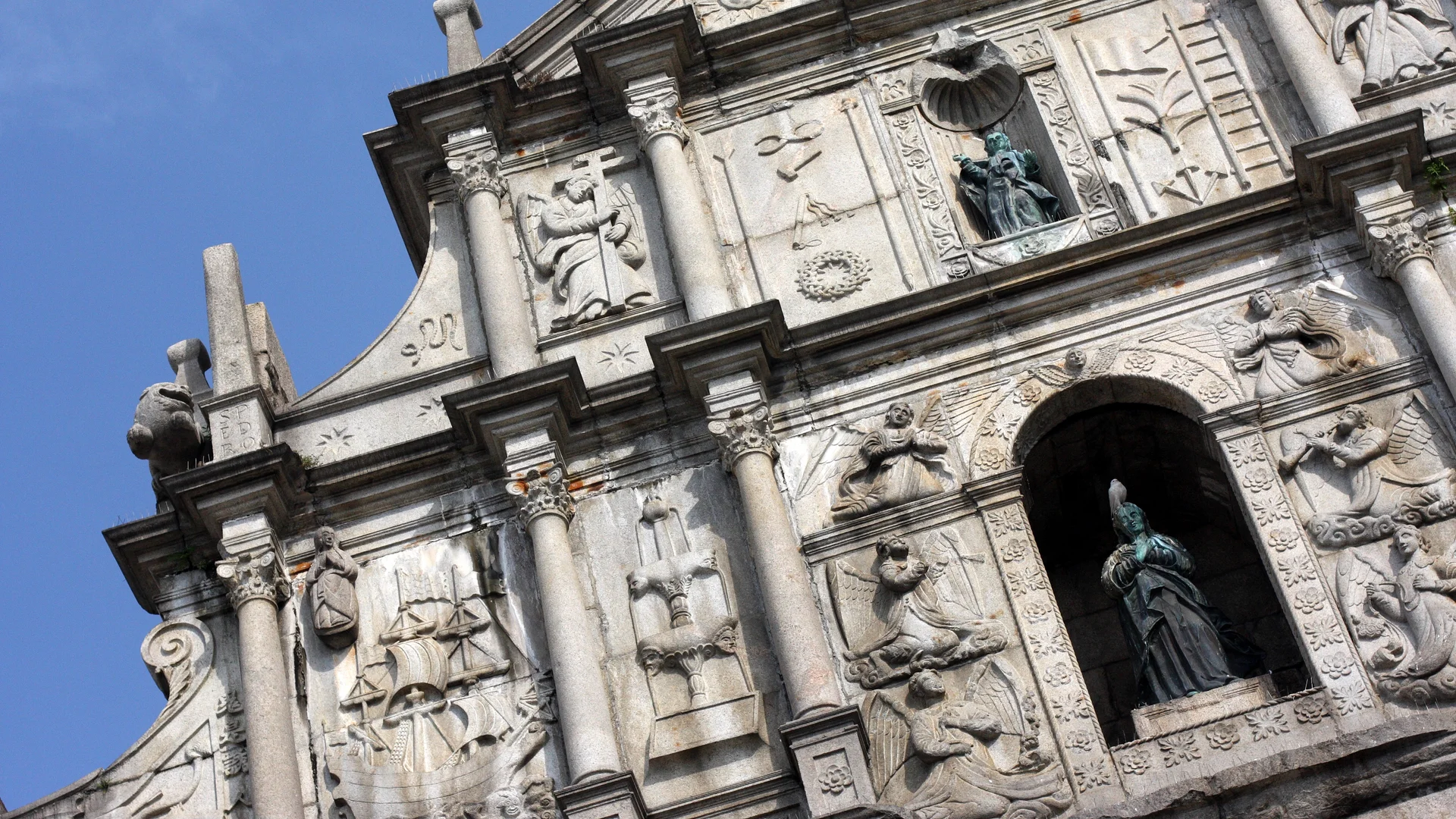 macao
macao Ruins of St. Paul's — The Macau Façade That Still Works Through Frontality, Memory, And Urban Compression
大三巴牌坊 · Dasanba Paifang
A rights-safe guide to the Ruins of St. Paul's for travelers deciding whether Macau's most iconic façade deserves real time, with practical notes on heritage context, crowd timing, and why the site works best through urban approach and symbolic frontality rather than through architectural completeness.
- macao
- October to December
- Easy
 macao
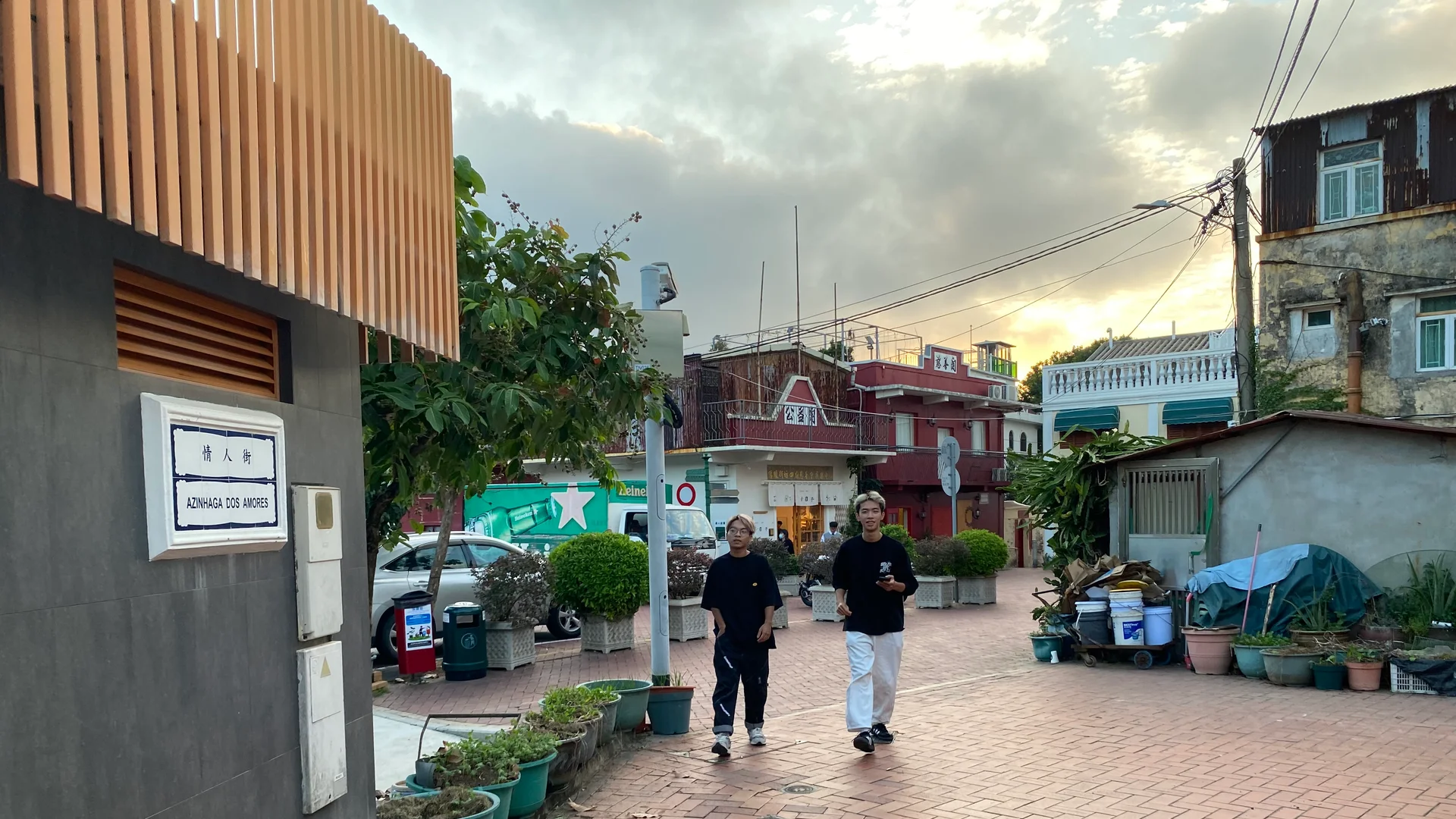
macao Coloane Village — The Macao Side That Still Moves At Walking Pace
路环 · Coloane
A rights-safe guide to Coloane Village for travelers deciding whether Macao's quiet southern quarter deserves real time, with practical notes on pier rhythm, chapel-and-lane walking, and why Coloane works best as a village-scale coastal route instead of a quick contrast stop.
- macao
- October to March
- Easy