Quick facts
What to know before you go
Yungang Grottoes — The Cliffside Buddhist Gallery That Gives Shanxi A Monumental Sacred Art Surface is a curated China Hidden Gems destination in Shanxi, selected for travelers who want the place, timing, effort, and logistics in one scan.
- Administrative location
- Datong, Shanxi
- Chinese name
- 云冈石窟 · Yungang Shiku
- Best season
- April to June and September to October
- Difficulty
- Easy
- Time needed
- Half day to full day
- Typical cost
- $$
- Getting there
- Treat Yungang as a paced cave-art route rather than a site to cover as fast as possible.
Editorial briefing
Why this place works
A rights-safe guide to Yungang Grottoes for travelers deciding whether this Datong cliffside cave complex deserves a dedicated stop, with practical notes on pacing, cave selection, and why Yungang works best as a monumental art route rather than as a pure statue-count exercise.
Why go
- A rights-safe guide to Yungang Grottoes for travelers deciding whether this Datong cliffside cave complex deserves a dedicated stop, with practical notes on pacing, cave selection, and why Yungang works best as a monumental art route rather than as a pure statue-count exercise.
- Yungang Grottoes — The Cliffside Buddhist Gallery That Gives Shanxi A Monumental Sacred Art Surface gives travelers a concrete reason to plan around Datong, shanxi, not just a generic first-trip city list.
- It is strongest for grottoes, buddhist art, heritage, with enough practical context to compare timing, difficulty, and onward route fit.
Turn this into a trip
Save Yungang Grottoes — The Cliffside Buddhist Gallery That Gives Shanxi A Monumental Sacred Art Surface, then plan around it.
Keep this gem on your device, open it in your bucket list, or start a planner draft with the destination already filled in.
Trip planning intake
Ask whether Yungang Grottoes — The Cliffside Buddhist Gallery That Gives Shanxi A Monumental Sacred Art Surface fits your route.
This is a lightweight planning signal, not an instant concierge. Leave your trip context and a real question, and the team can reply manually after review.
Story visuals
Yungang Grottoes — The Cliffside Buddhist Gallery That Gives Shanxi A Monumental Sacred Art Surface
The Grotto Page That Wins Through Scale, Not Through Overload
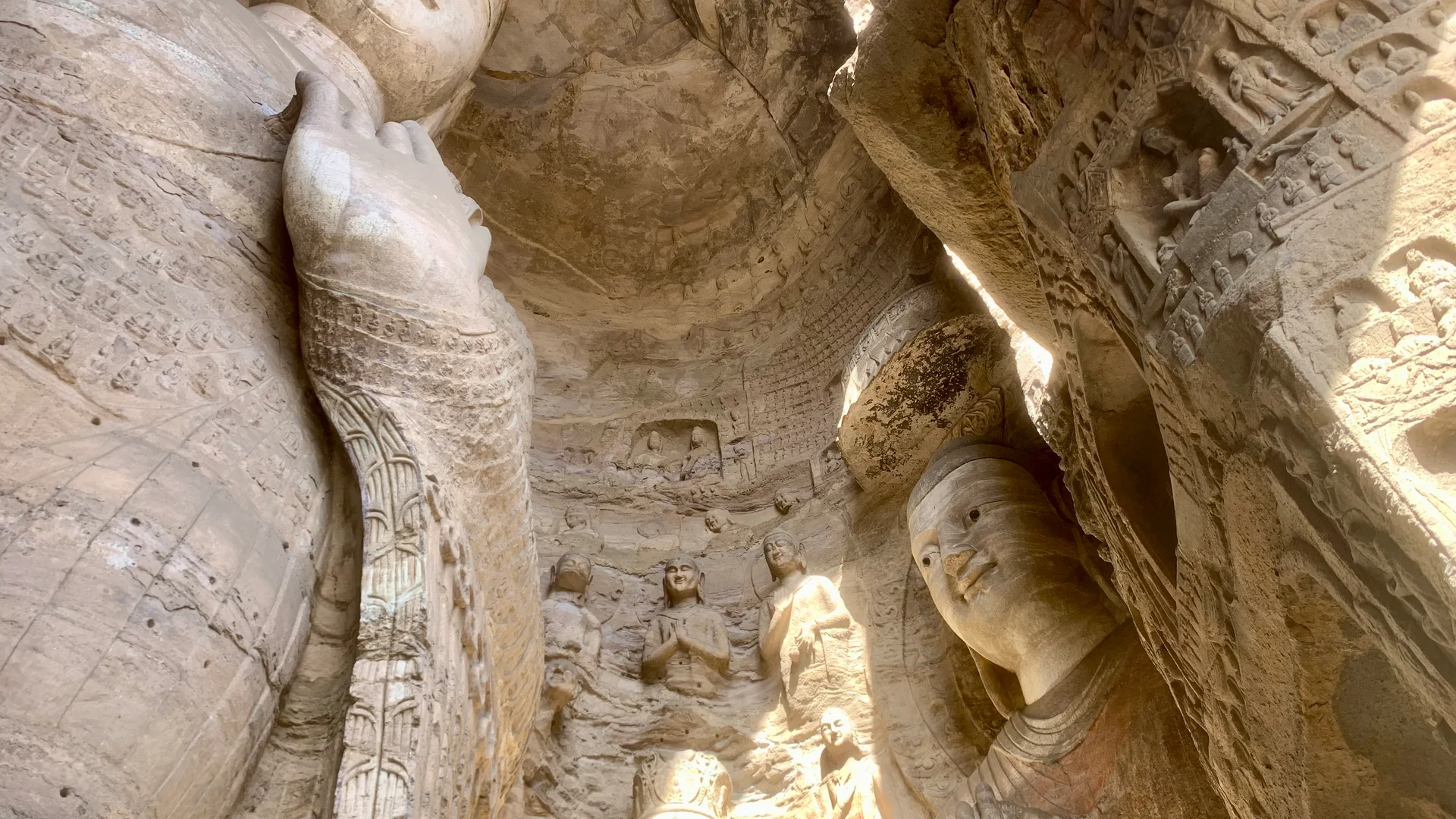
Yungang is one of those destinations that can become strangely abstract when described too quickly. People hear numbers first: hundreds of caves, tens of thousands of statues, a first peak of Chinese Buddhist cave art. All of that is true, and none of it is sufficient. The site only becomes real once the visitor accepts that Yungang works as a carved cliff sequence rather than as a monument list.
That is where the page has to begin. Yungang is not just another grotto complex in a country that has several famous ones. It is a monumental stone gallery whose power comes from the way imperial ambition, cliff face, and sculptural density meet each other at human scale. The most persuasive visits happen when travelers stop trying to “complete” the site and start reading how the caves relate to one another.
A premium page should protect that reading. Yungang becomes weaker when travelers imagine that more caves automatically means more value. In reality, the site rewards selection, pacing, and enough time for the larger artistic program to register. Quantity matters only because it creates the possibility of real scale. Scale, not quantity, is the point.
Why It Works
First, the site gives Shanxi a heritage page of a completely different order from Pingyao and other walled or built-city destinations. Yungang is not about urban continuity or traditional streets. It is about carved sacred art erupting from a cliff surface. That alone broadens the province meaningfully.
Second, Yungang remains legible even for first-time visitors. Many monumental art sites become hard to access emotionally because the visitor feels underqualified. Yungang certainly rewards prior knowledge, but it does not depend on it. The bodies, expressions, cliff openings, and scale relationships communicate quickly if the traveler slows down enough to look.
Third, the site has a rare combination of imperial and intimate force. Some caves overwhelm; others refine. Some views are about mass and vertical presence; others are about details, weathering, and the relationship between carving and rock. That variety helps the page stay alive instead of collapsing into a single “great Buddha” narrative.
How To Shape The Visit
Start by deciding whether your day is cave-first or coverage-first. Cave-first is stronger. Yungang is better when you pick the caves or zones that matter most to your attention span and energy rather than racing across the whole complex in pursuit of completion.
The second decision is crowd tolerance. Heritage sites with strong symbolic weight can lose clarity when visitors move through them only as flow. Yungang is still impressive under pressure, but the sculptures become more readable when the pace loosens. If you can choose a calmer window, do it.
The third decision is whether you want the visit to be icon-first or art-first. Most travelers arrive looking for icons. The stronger visit usually shifts toward art: composition, cliff carving logic, and how Buddhist imagery is translated into a specifically Chinese monumental setting. A premium page should help that transition happen.
A fourth decision is how much conservation and current access should shape expectations. This matters more than travelers often admit. At major grotto sites, cave-specific changes or conservation work can alter the route. The page should make room for this without sounding alarmed.
What To Prioritize
Prioritize sequence. Yungang works as a carved landscape, not just as a box of masterpieces. That continuity is one of the simplest ways to stop the page from becoming a generic heritage summary.
Prioritize sculptural reading too. The most rewarding visits happen when the traveler notices not only size, but also posture, weathering, composition, and the different energies of major caves. In other words, slow looking matters.
It is also worth prioritizing energy management. Monument-heavy heritage can become numbing when consumed too quickly. Yungang benefits from rhythm: intense looking, then pause, then re-entry.
A final priority is avoiding sacred-art cliche language. The site does not need mystical inflation or generalized Buddhist reverence. What it needs is precision: this is an imperial cave-art complex whose cliffside scale and sculptural coherence still carry enormous power.
What Can Go Wrong
The first mistake is trying to “finish” Yungang rather than experience it. That mindset turns scale into fatigue.
The second mistake is arriving with no plan for attention and assuming the site will organize itself. It often does not. A small amount of selectivity makes the visit much better.
The third mistake is reducing the whole destination to one or two giant statues. The icons matter, but they are not the whole site. Yungang is stronger when the visitor keeps the broader carved environment in view.
Who Should Save It
Save Yungang Grottoes if you care about Buddhist art, monumental stone carving, and heritage sites that reward sustained looking more than easy consumption. It is especially strong for travelers who want a Shanxi page with very different energy from old-city or fortress routes.
It is weaker for travelers who dislike large heritage surfaces, need highly compact attractions, or become impatient when a destination asks for visual attention rather than constant novelty. Yungang is worth it when the traveler is willing to read the cliff as a gallery, not just a backdrop.
What To Confirm Before You Go
Before finalizing the stop, confirm how much cave density you actually want, check for any cave-specific conservation changes, and decide whether you are approaching the site for scale, art, or both. The honest promise is simple: Yungang is rewarding when you visit it as a monumental carved sequence rather than as a numbers exercise.
Traveler actions
Save, check in, share, and help other travelers judge whether this place is worth the trip.
Traveler Comments
Share your Yungang Grottoes — The Cliffside Buddhist Gallery That Gives Shanxi A Monumental Sacred Art Surface experience
Continue exploring
More in shanxi
View all →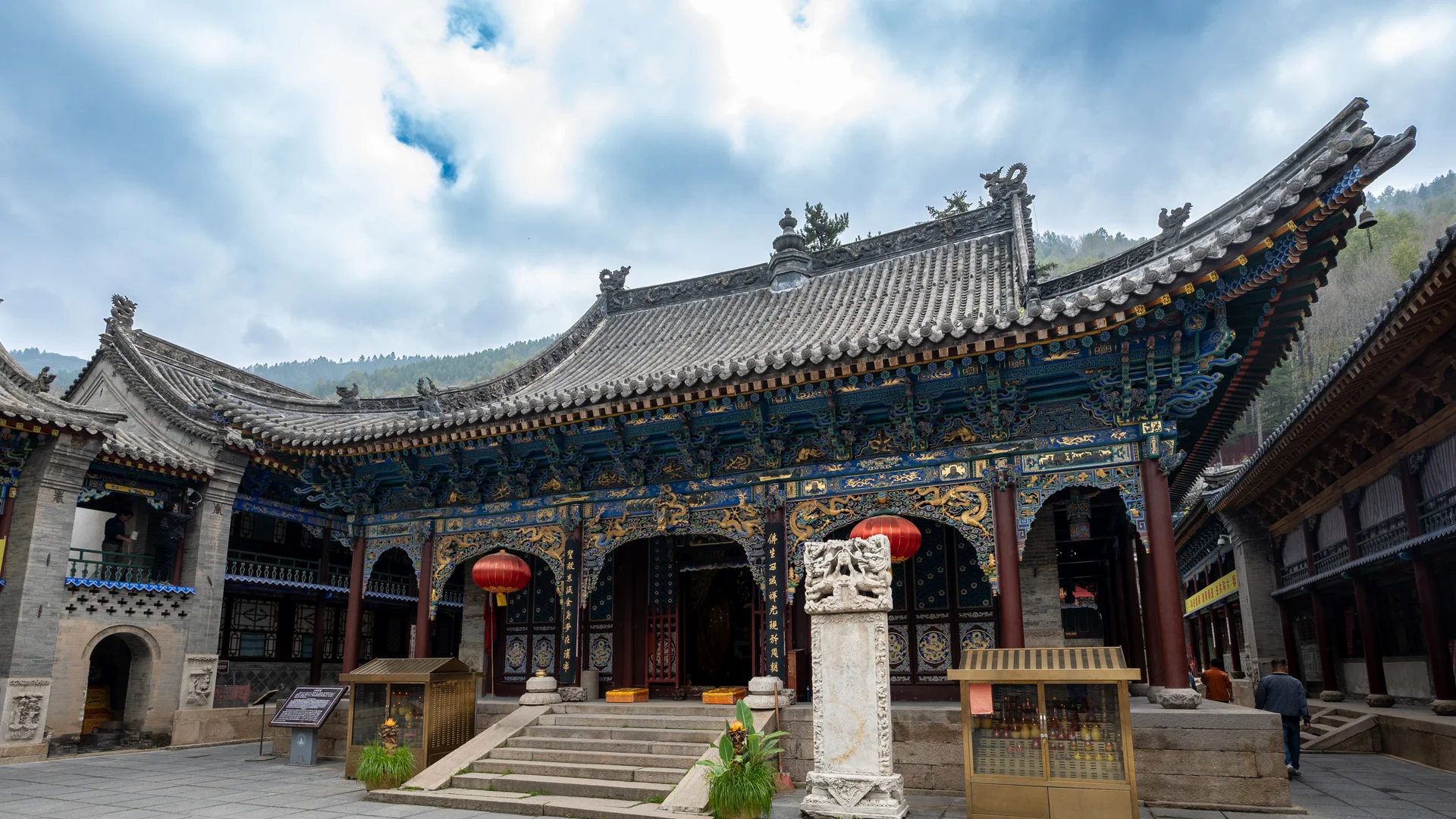 shanxi
 Mount Wutai — The Sacred Buddhist Mountain That Still Requires Landscape Patience, Not Only Temple Counting
五台山 · Wutai Shan
A rights-safe guide to Mount Wutai for travelers deciding whether China's best-known Buddhist mountain deserves dedicated time, with practical notes on altitude, temple density, and why Wutai works best through pace and selection rather than exhaustive sacred-site accumulation.
- shanxi
- May to October
- Easy
 shanxi
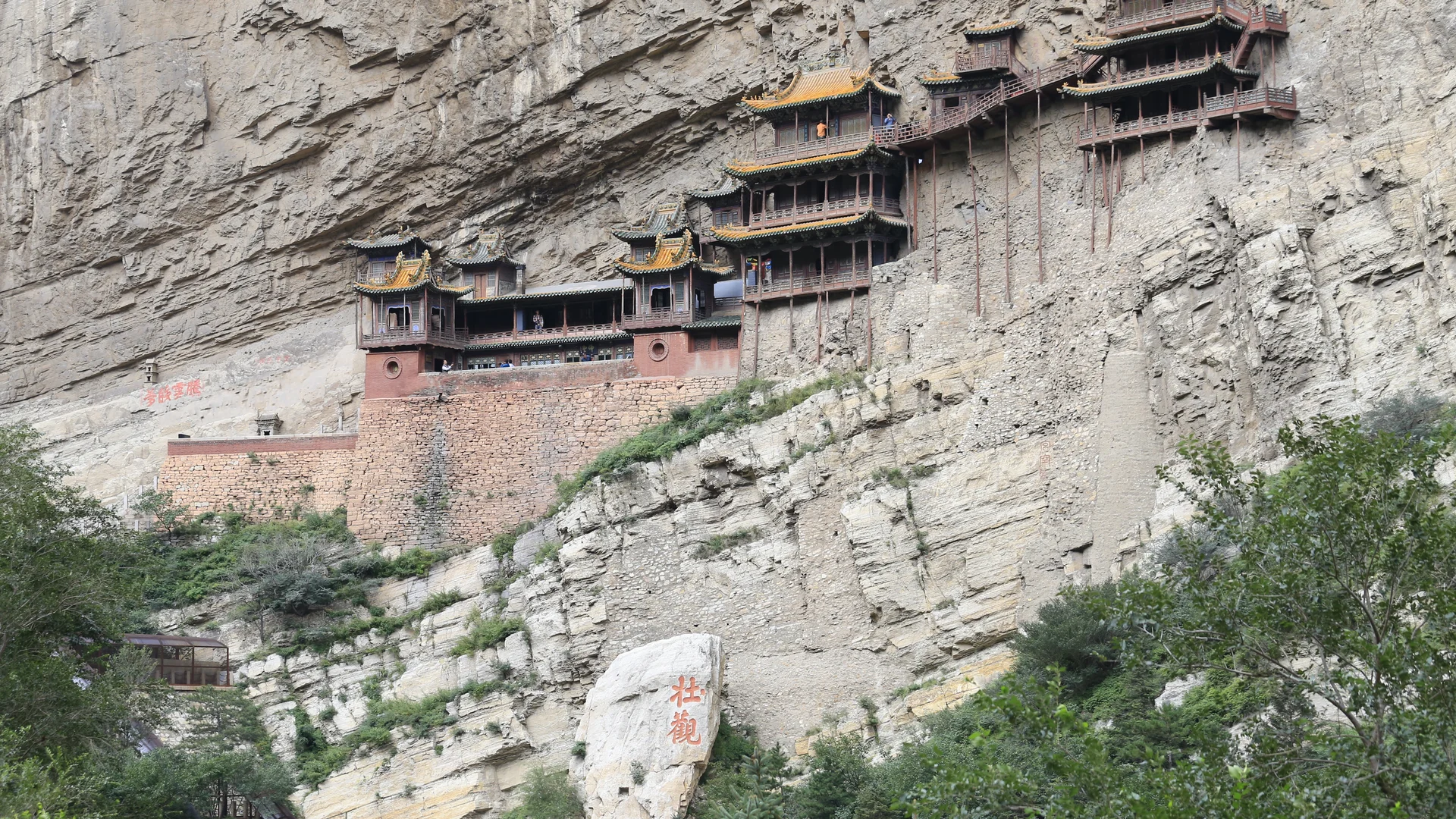
 Hanging Temple — The Cliffside Shrine Where Structure, Risk, And Ritual Still Hold Together
悬空寺 · Xuankong Si
A rights-safe guide to Hanging Temple for travelers deciding whether this cliffside shrine near Datong deserves a dedicated stop, with practical notes on reservation limits, route pacing, and why the site works best as an architectural and ritual surface rather than as a pure thrill stop.
- shanxi
- April to June and September to October
- Easy
 shanxi
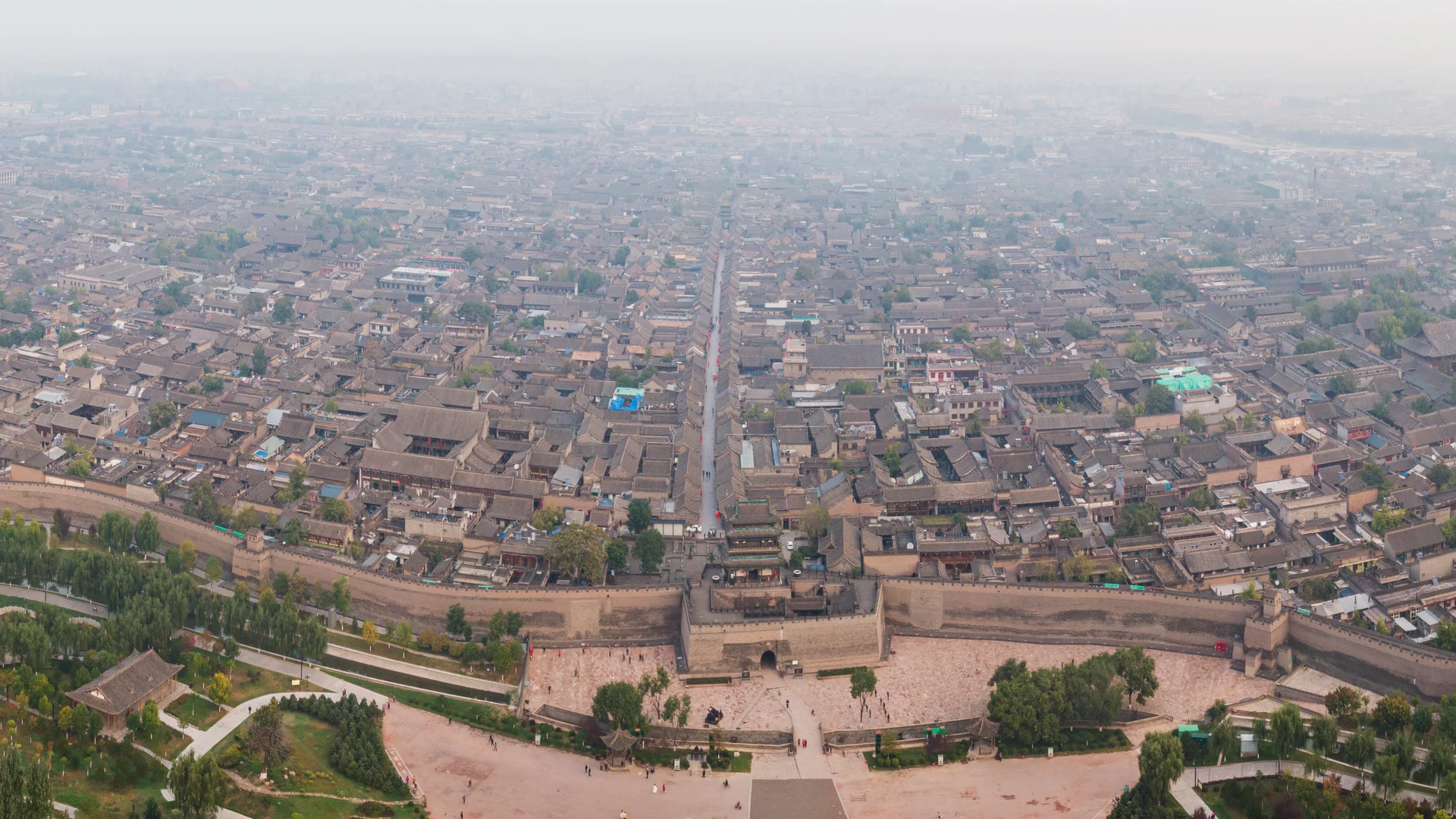
 Time-Capsule Pingyao - City Walls, Courtyards, And China's Old Banking Streets
平遥古城 · Pingyao Gucheng
A rights-safe guide to Pingyao Ancient City: city walls, old streets, courtyard architecture, banking history, walking routes, ticket checks, and why the walled city is more than a photo stop.
- shanxi
- April to June and September to October
- Easy