Quick facts
What to know before you go
Yuyuan Garden — The Shanghai Classical Garden That Works Through Compression, Ornament, And Urban Contrast is a curated China Hidden Gems destination in Shanghai, selected for travelers who want the place, timing, effort, and logistics in one scan.
- Administrative location
- Huangpu District, Shanghai
- Chinese name
- 豫园 · Yuyuan
- Best season
- March to May and October to November
- Difficulty
- Easy
- Time needed
- 2-3 hours
- Typical cost
- $
- Getting there
- Treat Yuyuan as a focused classical-garden stop whose value depends more on timing and attention than on long duration.
Editorial briefing
Why this place works
A rights-safe guide to Yuyuan Garden for travelers deciding whether Shanghai's best-known classical garden deserves dedicated time, with practical notes on crowd timing, ornament density, and why Yuyuan works best through enclosed composition rather than as a generic old-town stroll.
Why go
- A rights-safe guide to Yuyuan Garden for travelers deciding whether Shanghai's best-known classical garden deserves dedicated time, with practical notes on crowd timing, ornament density, and why Yuyuan works best through enclosed composition rather than as a generic old-town stroll.
- Yuyuan Garden — The Shanghai Classical Garden That Works Through Compression, Ornament, And Urban Contrast gives travelers a concrete reason to plan around Shanghai, shanghai, not just a generic first-trip city list.
- It is strongest for classical garden, shanghai, old city, with enough practical context to compare timing, difficulty, and onward route fit.
Turn this into a trip
Save Yuyuan Garden — The Shanghai Classical Garden That Works Through Compression, Ornament, And Urban Contrast, then plan around it.
Keep this gem on your device, open it in your bucket list, or start a planner draft with the destination already filled in.
Trip planning intake
Ask whether Yuyuan Garden — The Shanghai Classical Garden That Works Through Compression, Ornament, And Urban Contrast fits your route.
This is a lightweight planning signal, not an instant concierge. Leave your trip context and a real question, and the team can reply manually after review.
Story visuals
Yuyuan Garden — The Shanghai Classical Garden That Works Through Compression, Ornament, And Urban Contrast
The Shanghai Garden That Only Makes Sense Once You Stop Comparing It To Open-Air Calm
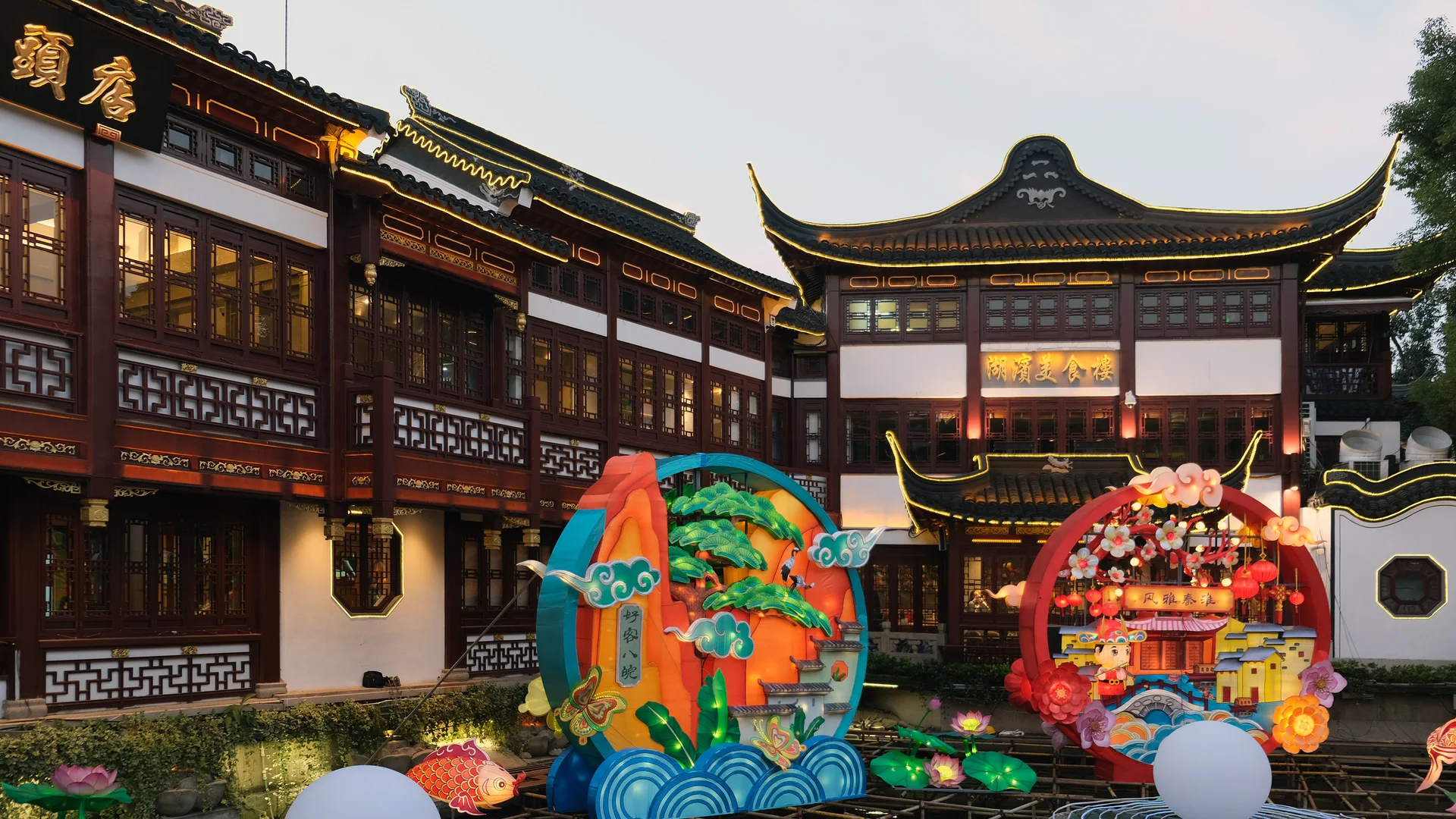
Yuyuan Garden is easy to underestimate because many travelers bring the wrong category with them. They hear "classical garden" and expect spacious serenity, long tranquil wandering, and a calm separation from the city. That is not really Yuyuan's strength. Yuyuan works through compression. Rockeries, pavilions, corridors, carved detail, and tightly staged transitions create a garden that feels dense, ornamental, and intentionally layered. The urban pressure around it is not a flaw to subtract. It is part of what makes the garden's internal order meaningful.
That distinction matters because Shanghai is often read through scale, modernity, and frontage. The Bund gives the city its broad face. Qibao gives it a smaller water-town rhythm. Yuyuan gives Shanghai something more intimate and more historically composed: an enclosed world of classical garden logic pressed against one of China's most intense urban environments. That tension is the page's reason for existing.
A premium page should therefore resist two lazy framings. The first is treating Yuyuan as if it were just an old garden next to a tourist market. The second is pretending it offers endless quiet. The better framing is more honest and more interesting: Yuyuan is a compact classical garden whose force comes from how fully it organizes stone, wood, water, and sightlines inside a highly compressed footprint. It is not large, but it is concentrated.
Why It Works
First, Yuyuan has real compositional density. Some gardens need size to feel persuasive. Yuyuan proves the opposite. It keeps changing the relationship between corridor and opening, rock and water, architecture and view. The visitor is repeatedly moved from one small but distinct spatial condition into another. That means the stop can remain rewarding even though it is not huge.
Second, the site benefits from its contrast with Shanghai itself. Outside the garden is a metropolis of scale, retail intensity, and constant movement. Inside the garden is a carefully managed sequence of enclosure and release. This contrast makes the experience sharper than it would be in a less intense city context.
Third, Yuyuan rewards detail attention. The destination is weaker if consumed at proof-photo speed. It is stronger when the traveler notices carved surfaces, layered rooflines, framed views, and the way rockeries structure movement and pause. That kind of looking is exactly what the page should encourage.
A fourth reason it works is that it gives Shanghai a different kind of heritage page. The city can easily skew toward skyline, concession-era streets, and metropolitan spectacle. Yuyuan pulls the editorial balance back toward classical Chinese spatial intelligence. That matters for the overall pool.
How To Shape The Visit
Start by deciding whether Yuyuan is a garden-first stop or a market-adjacent heritage stop. Garden-first is better. If you let the surrounding commerce dominate the frame, the site can start feeling smaller than it is. If you consciously enter to read the garden as a designed environment, the stop becomes easier to defend.
The second decision is timing. This matters a lot. Yuyuan's value can be thinned quickly by heavy crowd flow. A more controlled time window makes the garden feel more legible and less like a compressed circulation problem.
The third decision is expectation discipline. Yuyuan is not a giant strolling park. Travelers who want long, loose wandering may prefer other kinds of gardens. The page should say plainly that Yuyuan is about concentrated sequence, not endless promenade.
A fourth decision is whether you are pairing the garden with broader old-city or riverfront plans. That can work well, but the page should help travelers protect enough attention for Yuyuan itself. Otherwise the stop becomes just one more checkmark in a district already overloaded with stimuli.
What To Prioritize
Prioritize the internal sequence of spaces. That is where Yuyuan's intelligence lives.
Prioritize detail reading too. The garden becomes more rewarding when travelers notice how ornament and structure keep guiding the eye.
It is also worth prioritizing crowd avoidance when possible. Timing materially affects whether the place reads as composition or congestion.
A final priority is preserving the urban contrast. Yuyuan is stronger because it is a classical garden inside Shanghai, not because it escapes Shanghai entirely.
What Can Go Wrong
The first mistake is expecting expansive serenity and then dismissing the garden for being too compact.
Another mistake is letting the surrounding market energy swallow the stop.
The third mistake is walking too fast and missing the precise spatial work the garden is doing.
Who Should Save It
Save Yuyuan Garden if you care about classical Chinese garden composition, ornamental detail, and destinations that reward close spatial reading. It is especially strong for travelers who want a Shanghai page that is intimate and historically structured rather than simply metropolitan.
It is weaker for travelers who only want large, low-pressure green space or who dislike dense heritage environments. Yuyuan is worth it when the traveler is willing to read compression, detail, and contrast as the point.
What To Confirm Before You Go
Before finalizing the stop, choose a lower-pressure time window if you can, decide whether Yuyuan is getting focused attention or only district overflow time, and align your expectations with a compact but highly orchestrated garden. The honest promise is simple: Yuyuan is rewarding when you treat it as a concentrated classical composition inside Shanghai, not as a generic old-town stroll with some rocks.
Traveler actions
Save, check in, share, and help other travelers judge whether this place is worth the trip.
Traveler Comments
Share your Yuyuan Garden — The Shanghai Classical Garden That Works Through Compression, Ornament, And Urban Contrast experience
Continue exploring
More in shanghai
View all →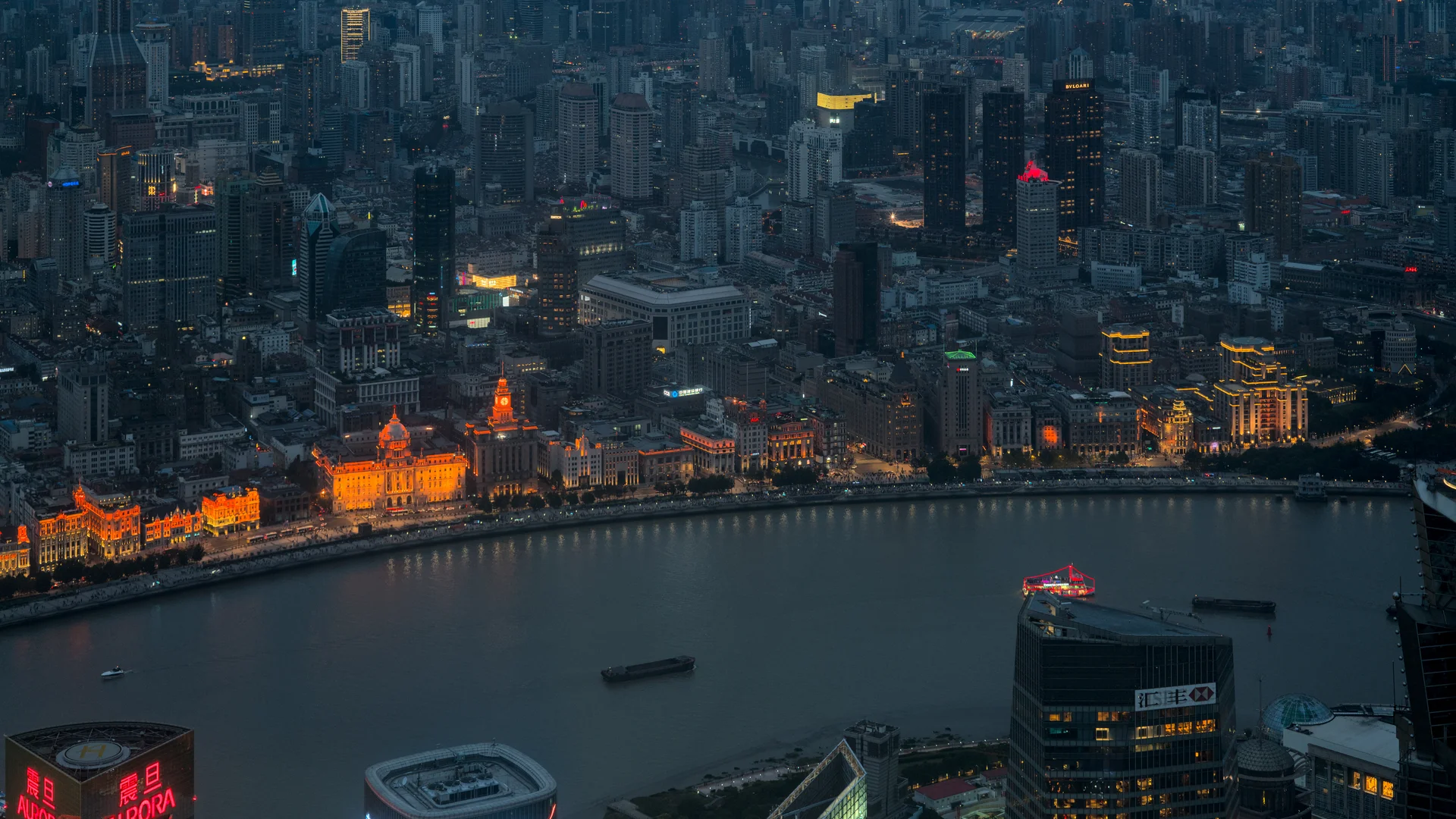 shanghai
 The Bund — The Waterfront Where Shanghai's Two Selves Still Face Each Other
外滩 · Waitan
A rights-safe guide to the Bund for travelers planning their strongest Shanghai waterfront route, with honest advice on blue hour timing, promenade pacing, whether to cross to Pudong, and why the Bund works better as an urban sequence than as a rushed photo stop.
- shanghai
- March to May and September to November
- Easy
 shanghai
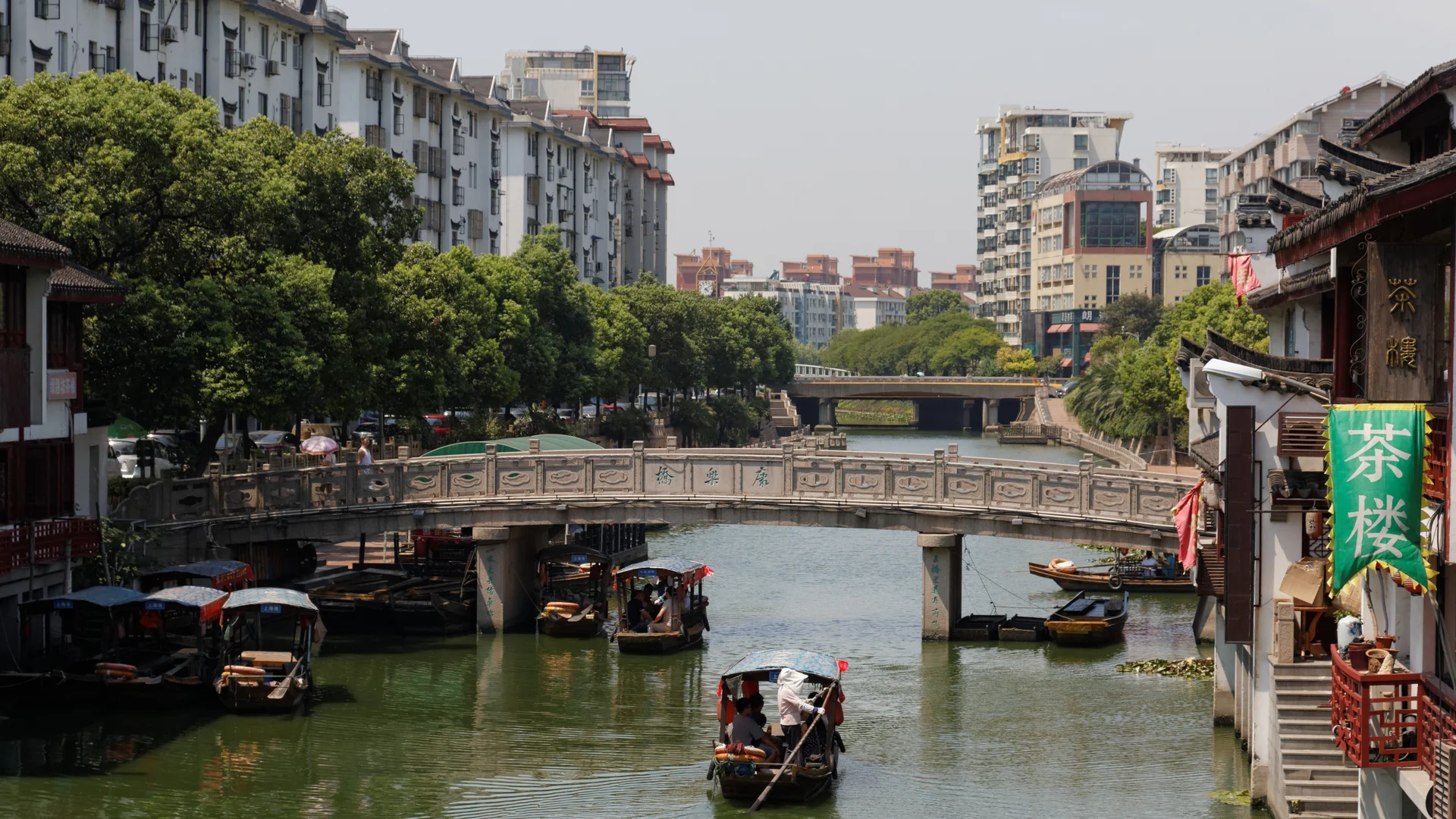
 Qibao Ancient Town — The Shanghai Water Town That Still Works When You Treat It As A Short Urban Reset
七宝古镇 · Qibao Guzhen
A rights-safe guide to Qibao Ancient Town for travelers deciding whether this compact Shanghai water town deserves time off the main urban circuit, with practical notes on crowd timing, snack-street density, and why Qibao works best as a short atmospheric reset rather than a full Jiangnan substitute.
- shanghai
- March to May and October to November
- Easy