Quick facts
What to know before you go
Shapotou — The Yellow River Desert Route That Works Because Water And Sand Stay Together is a curated China Hidden Gems destination in Ningxia, selected for travelers who want the place, timing, effort, and logistics in one scan.
- Administrative location
- Zhongwei, Ningxia
- Chinese name
- 沙坡头 · Shapotou
- Best season
- May to October
- Difficulty
- Easy
- Time needed
- Half day to full day
- Typical cost
- $$
- Getting there
- Reach Shapotou with a clear idea of how much the route should belong to the river, the dunes, and any activity layer, instead of improvising once inside.
Editorial briefing
Why this place works
A rights-safe guide to Shapotou for travelers deciding whether the Yellow River and Tengger Desert contrast is really worth the trip, with honest notes on route balance, how much activity framing to ignore, and why the site works best as a landscape sequence rather than an attraction bundle.
Why go
- A rights-safe guide to Shapotou for travelers deciding whether the Yellow River and Tengger Desert contrast is really worth the trip, with honest notes on route balance, how much activity framing to ignore, and why the site works best as a landscape sequence rather than an attraction bundle.
- Shapotou — The Yellow River Desert Route That Works Because Water And Sand Stay Together gives travelers a concrete reason to plan around Zhongwei, ningxia, not just a generic first-trip city list.
- It is strongest for natural wonders, desert, river, with enough practical context to compare timing, difficulty, and onward route fit.
Turn this into a trip
Save Shapotou — The Yellow River Desert Route That Works Because Water And Sand Stay Together, then plan around it.
Keep this gem on your device, open it in your bucket list, or start a planner draft with the destination already filled in.
Trip planning intake
Ask whether Shapotou — The Yellow River Desert Route That Works Because Water And Sand Stay Together fits your route.
This is a lightweight planning signal, not an instant concierge. Leave your trip context and a real question, and the team can reply manually after review.
Story visuals
Shapotou — The Yellow River Desert Route That Works Because Water And Sand Stay Together
The Desert Page That Gets Better Once You Stop Treating It Like A Theme Park
Shapotou is easy to describe in a way that sounds both vivid and slightly shallow: desert, river, sand slides, camel rides, rafts, and one of those strange places in China where the landscape feels assembled from two incompatible ideas at once. The ingredients are real, but they can lead the traveler toward the wrong question. The strongest Shapotou page is not asking "what activities are here?" It is asking "why does the meeting of river and desert matter?"
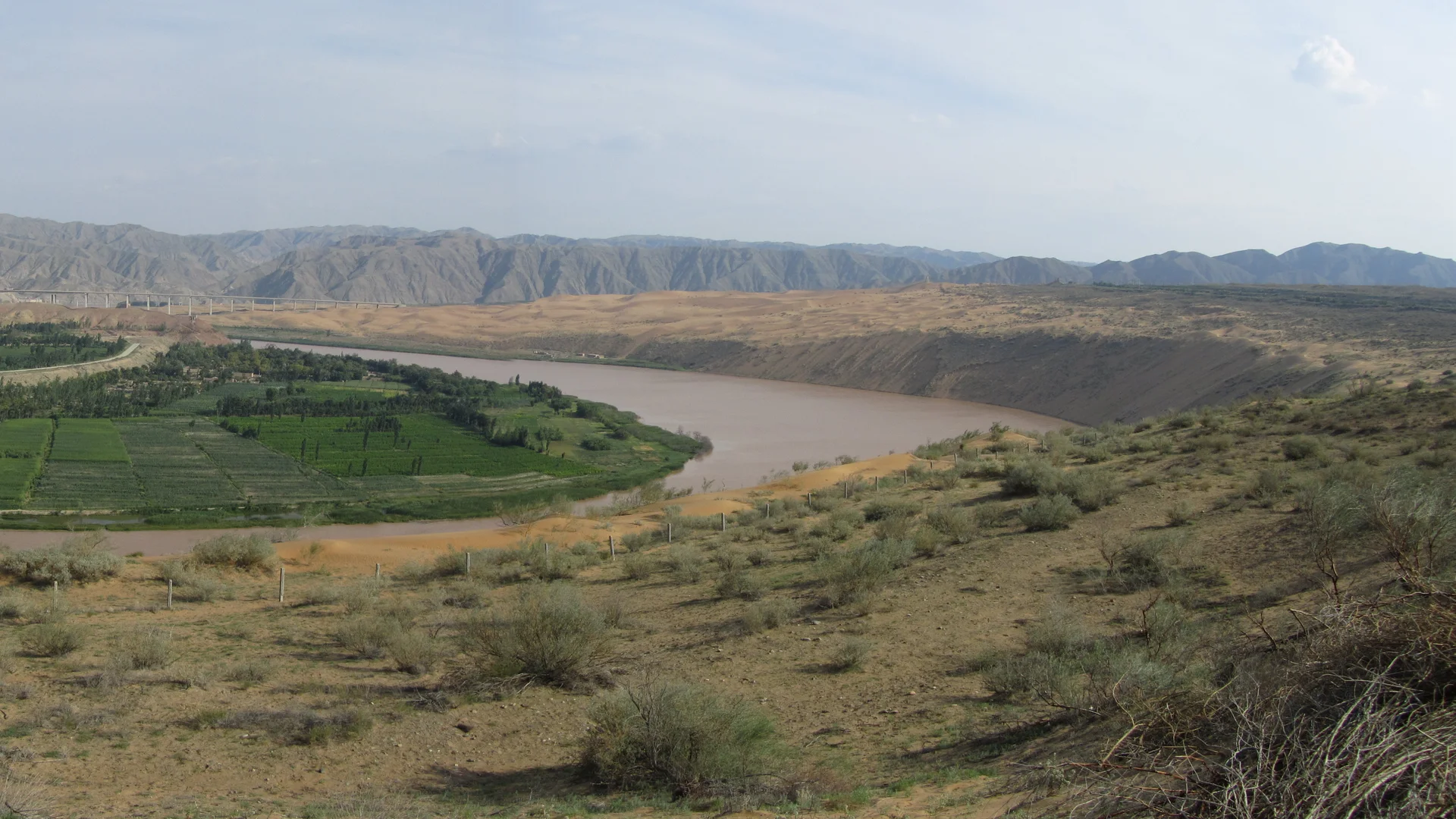
That distinction matters because Shapotou is at its best when it is read as a contrast landscape first and an activity zone second. The Yellow River edge, the Tengger Desert slope, and the strange transition between them give the site its real identity. Once that is clear, everything else becomes easier to judge: which activities are supporting the route and which ones are just noise, how long the site deserves, and whether the traveler is actually there for the landscape or for the idea of desert leisure.
Why It Works
The first reason Shapotou works is that the contrast is immediately legible. Water and desert sit close enough together that the landscape almost feels staged, but not in a fake way. It gives Ningxia a flagship page whose visual logic is obvious even to first-time visitors.
The second reason is that the destination broadens the Preview pool in a useful direction. It is not a mountain, not a village, not a city district, and not a simple desert-only page. The presence of the Yellow River gives the site more route tension and more narrative than a straightforward dune destination would have on its own.
The third reason is that planning matters. A visitor who treats Shapotou as a list of paid diversions can easily leave with a thinner experience than expected. A visitor who understands how to balance the dune side, river edge, and movement between them is much more likely to come away feeling the site actually justified the trip.
How To Plan The Route
The first decision is whether the day is landscape-first or activity-first. The page should make a clear recommendation: landscape-first. That does not mean all activities are bad. It means they should never be allowed to substitute for the basic experience of moving between river and desert and understanding why the place is unusual.
The second decision is how much time the site deserves. Half a day can work for a focused visit, but only if the traveler is clear on the route they want. A fuller day makes more sense when the visitor wants to move slowly, absorb the contrast, and add one or two activities without turning the place into a rush.
The third decision is how much the traveler values stillness over novelty. Shapotou can be interpreted as adventure branding, but it becomes much stronger when the page teaches the user to read the larger composition: river, dunes, engineered access, and the cultural habit of treating the site as a place where inland China becomes visually unstable in a good way.
One extra discipline helps here: do not let the first paid diversion define the whole place. Shapotou is much better once the traveler sees the landscape before deciding whether any specific activity actually adds value.
What To Prioritize
Prioritize the river-desert contrast first. That should be the emotional center of the route. The traveler should understand quickly why the site is not just another sand area and not just another riverbank.
Then prioritize one coherent movement through the landscape. Walking or slow movement matters more than people assume. The site gets weaker when the visitor jumps directly from attraction to attraction without letting the geography register.
The page should also be honest that some users will be more interested in the activity layer than others. That is fine. The premium guidance is not to ban fun. It is to stop the route from becoming only a menu of distractions. Activities should support the landscape, not replace it.
Who Should Save It
Save Shapotou if you want one Ningxia destination that makes desert and river geography readable in a way that is both unusual and immediately visual. It is strongest for travelers who like contrast landscapes, photographers who want terrain tension rather than one-note dune scenery, and users who prefer route logic over attraction bundling.
It is weaker for travelers who only want an amusement-style desert outing. Shapotou can absorb that, but it is not where the page is strongest.
What To Confirm Before You Go
Before finalizing the route, confirm whether your trip is landscape-first or activity-first, how much of the day you want to allocate to the site, and whether the Yellow River side and dune side are both really part of the plan. Also be honest about weather and seasonal comfort. Heat, wind, and light shape the route more than activity brochures suggest.
The honest promise is simple: Shapotou is worth the trip when the traveler treats the Yellow River and desert meeting point as the destination, not as a backdrop for random diversions.
How To Use This Page In The Tools
Shapotou should hand off to the planner as a contrast-landscape question, not as a generic Ningxia attraction. The useful prompt is "plan Shapotou as a river-and-desert route with one clear landscape-first sequence and only the minimum activity layer that supports it." That gives the planning tools a structure that matches what the site actually does well.
Traveler actions
Save, check in, share, and help other travelers judge whether this place is worth the trip.
Traveler Comments
Share your Shapotou — The Yellow River Desert Route That Works Because Water And Sand Stay Together experience
Continue exploring