Quick facts
What to know before you go
Shaolin Temple — The Songshan Monastery Where Ritual, Stone, And Kung Fu Myth Still Interlock is a curated China Hidden Gems destination in Henan, selected for travelers who want the place, timing, effort, and logistics in one scan.
- Administrative location
- Dengfeng, Henan
- Chinese name
- 少林寺 · Shaolin Si
- Best season
- March to May and September to November
- Difficulty
- Easy
- Time needed
- Half day to full day
- Typical cost
- $$
- Getting there
- Treat Shaolin as a focused monastery visit with crowd-sensitive timing rather than as a quick kung fu checkpoint.
Official planning links
Editorial briefing
Why this place works
A rights-safe guide to Shaolin Temple for travelers deciding whether this Songshan monastery deserves a dedicated day, with practical notes on temple pacing, crowd timing, martial-culture expectations, and why Shaolin works best as a sacred complex rather than as a kung fu theme stop.
Why go
- A rights-safe guide to Shaolin Temple for travelers deciding whether this Songshan monastery deserves a dedicated day, with practical notes on temple pacing, crowd timing, martial-culture expectations, and why Shaolin works best as a sacred complex rather than as a kung fu theme stop.
- Shaolin Temple — The Songshan Monastery Where Ritual, Stone, And Kung Fu Myth Still Interlock gives travelers a concrete reason to plan around Dengfeng, henan, not just a generic first-trip city list.
- It is strongest for temple, monastery, martial culture, with enough practical context to compare timing, difficulty, and onward route fit.
Turn this into a trip
Save Shaolin Temple — The Songshan Monastery Where Ritual, Stone, And Kung Fu Myth Still Interlock, then plan around it.
Keep this gem on your device, open it in your bucket list, or start a planner draft with the destination already filled in.
Trip planning intake
Ask whether Shaolin Temple — The Songshan Monastery Where Ritual, Stone, And Kung Fu Myth Still Interlock fits your route.
This is a lightweight planning signal, not an instant concierge. Leave your trip context and a real question, and the team can reply manually after review.
Story visuals
Shaolin Temple — The Songshan Monastery Where Ritual, Stone, And Kung Fu Myth Still Interlock
The Temple Page That Needs Less Performance And More Attention
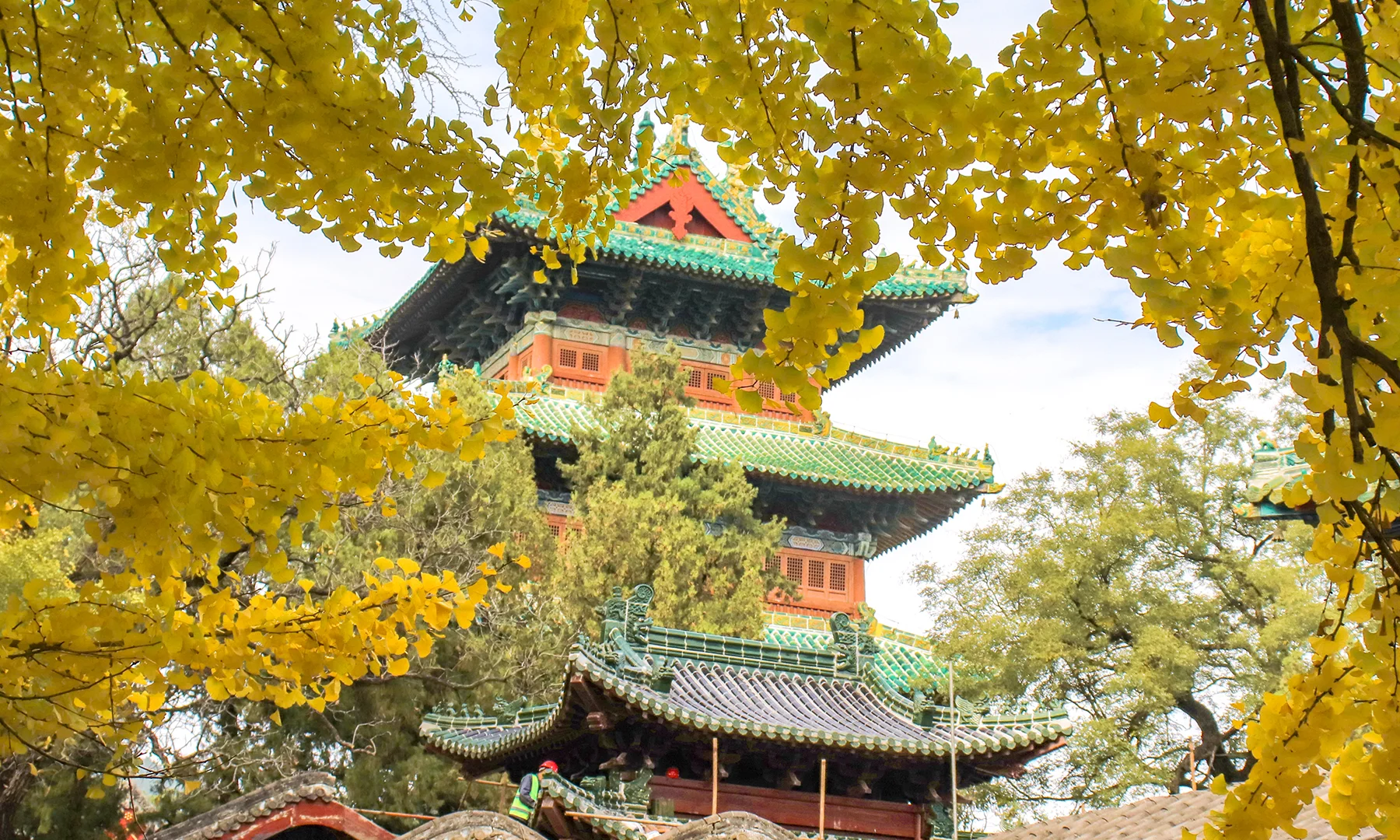
Shaolin is one of those destinations almost everyone thinks they already understand before arriving. The name carries too much cultural freight: kung fu films, shaved heads, monastery myth, martial discipline, and a global export version of Chinese culture that can make the actual place seem almost secondary. That is precisely why the page matters. Shaolin still works, but only if the traveler lets the temple complex reclaim the foreground.
A premium page should not pretend that the martial legend is irrelevant. It is part of the place's contemporary identity, and denying that would be artificial. But the better move is to show how the monastery still operates through architecture, stone, steles, trees, courtyards, and ritual atmosphere rather than through performance branding alone. Once the traveler sees that overlap, Shaolin becomes much more substantial.
That overlap is what makes the site defensible. Shaolin is not only a symbolic landmark and not only a tourist brand. It is also a real spatial complex whose courtyards, bell tower, ancient trees, inscriptions, and monastic continuity still shape the visit. The page should help travelers understand that the most convincing version of Shaolin is not the loudest one.
Why It Works
First, the destination is unusually legible. Many famous temple sites become confusing because visitors have to sort out ritual, architecture, history, and crowd theater all at once. Shaolin is busy and loaded with mythology, but it still communicates clearly enough for a first-time visitor. The spatial structure of the temple grounds does a lot of work.
Second, Shaolin gives Henan a much stronger differentiated Tier B than another page orbiting the grotto logic already covered elsewhere in the province. The monastery speaks to a different audience and a different emotional register. It adds sacred architecture, martial culture, and symbolic depth rather than repeating stone-carving or archaeological logic.
Third, the site holds tension well. That matters more than people admit. Shaolin is both sacred and commercialized, peaceful and iconic, historical and globally branded. A weaker destination would collapse under those contradictions. Shaolin stays visitable because the physical place still has enough gravity to absorb them.
How To Shape The Day
Start by deciding whether you are coming for myth confirmation or for spatial understanding. Most travelers arrive with some version of Shaolin already in their heads. The stronger visit happens when you let the temple complex itself revise that image. If you only want the stereotype validated, the day will flatten into surface consumption.
The second decision is timing. Shaolin is one of those destinations where crowd pressure can either become background texture or an active distortion, depending on when you arrive. Early arrival or quieter windows help the site regain dimensionality. Later, high flow can make it feel more like an emblem than a place.
The third decision is how much you expect overt martial spectacle to carry the trip. It should not. Martial culture is undeniably part of the atmosphere, but the destination becomes thinner if it is reduced to demonstration logic. The page should say this directly. Shaolin is better when visited as a temple complex with martial mythology than as a stage set for martial mythology.
A fourth decision is whether you want to keep the day tightly on the monastery or let Songshan context widen the frame. Both are valid, but a premium page should emphasize concentration first. Shaolin itself is dense enough to justify attention without needing to be diluted into a rushed broader-area checklist.
What To Prioritize
Prioritize the built environment. The bell tower, ancient trees, stone inscriptions, gate sequence, and courtyard rhythm do more to make Shaolin memorable than recycled kung fu narratives. That is not because martial culture is unimportant, but because the architecture gives it a place to land.
Prioritize reading the contradictions too. Shaolin is not a pure monastic retreat in the tourist imagination, and it is not a hollow performance shell either. It is stronger when the traveler accepts that both forces are visible at once. The page should help people see the tension instead of smoothing it away.
It is also worth prioritizing patience. Sacred destinations with global symbolic weight often fail when visited in a purely acquisitive mood. Shaolin asks the visitor to slow down enough to notice what remains solid underneath the familiar myth.
A final priority is precision of tone. The page should not romanticize ascetic mysticism and should not sneer at popularity. The useful middle ground is simpler: Shaolin still rewards attention because the monastery complex remains real, layered, and spatially coherent even under heavy symbolic pressure.
What Can Go Wrong
The most common mistake is expecting the mythology to do all the work. Travelers who arrive looking only for “the birthplace of kung fu” often leave with exactly as much depth as that phrase contains, which is not enough for a serious page.
Another mistake is overreacting to crowd or commercial presence and dismissing the destination entirely. That is also too blunt. Shaolin is more resilient than that because the site still has architectural and cultural density underneath the visitor flow.
The third mistake is treating the temple like one more quick iconic stop rather than like a complex that benefits from staying longer than expected. If you move too fast, the page will feel thinner than the place actually is.
Who Should Save It
Save Shaolin Temple if you care about monasteries, symbolic places, temple architecture, and the collision between religious space and global cultural mythology. It is especially useful for travelers who want a Henan page that speaks to both history and living cultural identity.
It is weaker for travelers who only want a frictionless spectacle or who become impatient when a famous site asks for quiet observation instead of instant payoff. Shaolin is worth it when the traveler is ready to see the temple beneath the brand.
What To Confirm Before You Go
Before locking the visit, confirm how much time and patience the day actually allows, whether you want a temple-first rather than performance-first experience, and whether your expectations can hold both sacred atmosphere and mass recognition at once. The honest promise is simple: Shaolin is rewarding when you visit it as a monastery complex with real cultural gravity, not just as a legend you already think you know.
Traveler actions
Save, check in, share, and help other travelers judge whether this place is worth the trip.
Traveler Comments
Share your Shaolin Temple — The Songshan Monastery Where Ritual, Stone, And Kung Fu Myth Still Interlock experience
Continue exploring
More in henan
View all →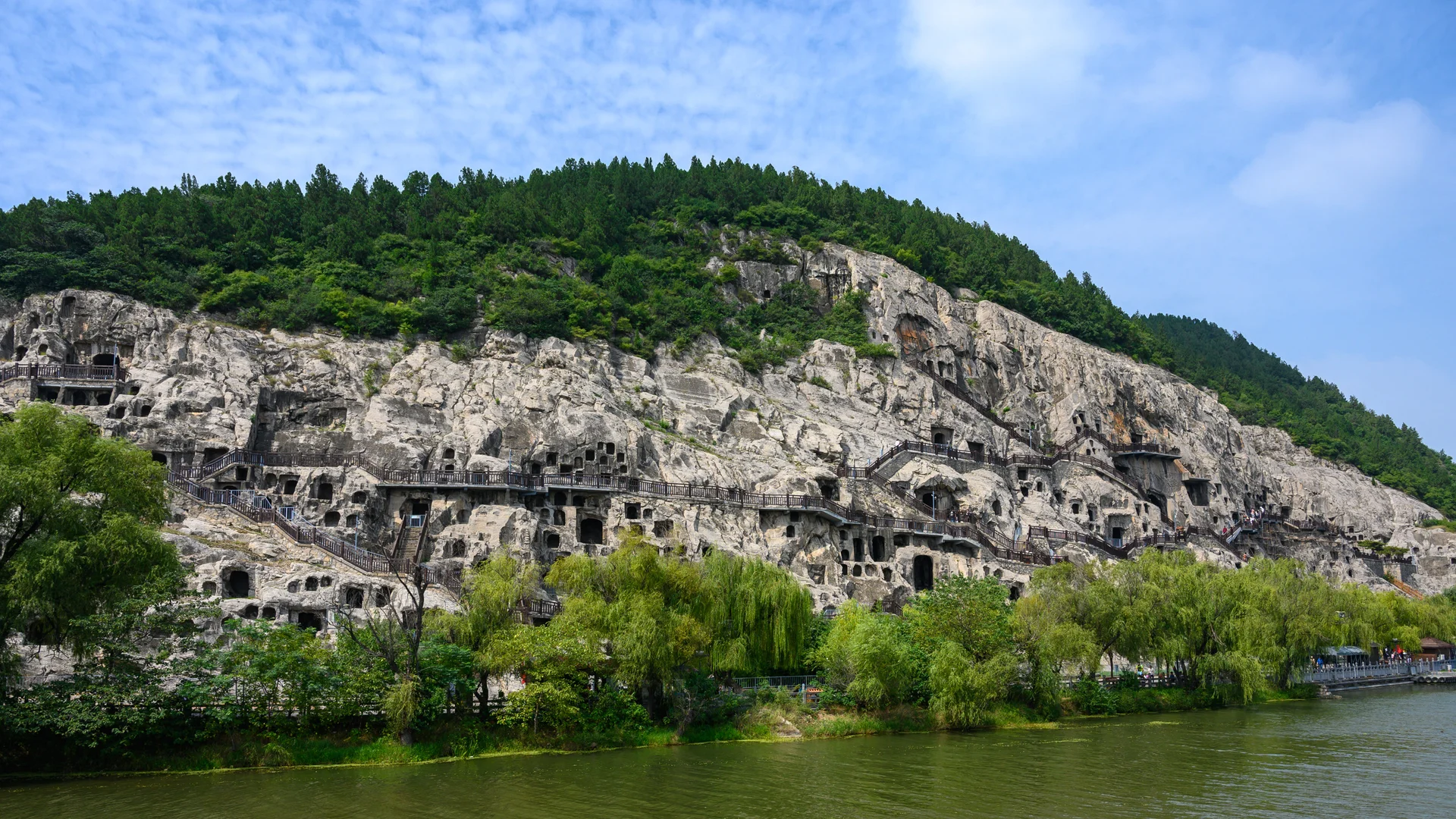 henan
henan Longmen Grottoes — The Stone Carving Site That Rewards Slow Attention
龙门石窟 · Longmen Shiku
A rights-safe guide to Longmen Grottoes for travelers planning a Luoyang heritage day, with clear advice on west-bank versus east-bank pacing, why Fengxian Temple matters, and how to turn a famous UNESCO site into a genuinely rewarding visit.
- henan
- March to May and September to November
- Easy
 henan
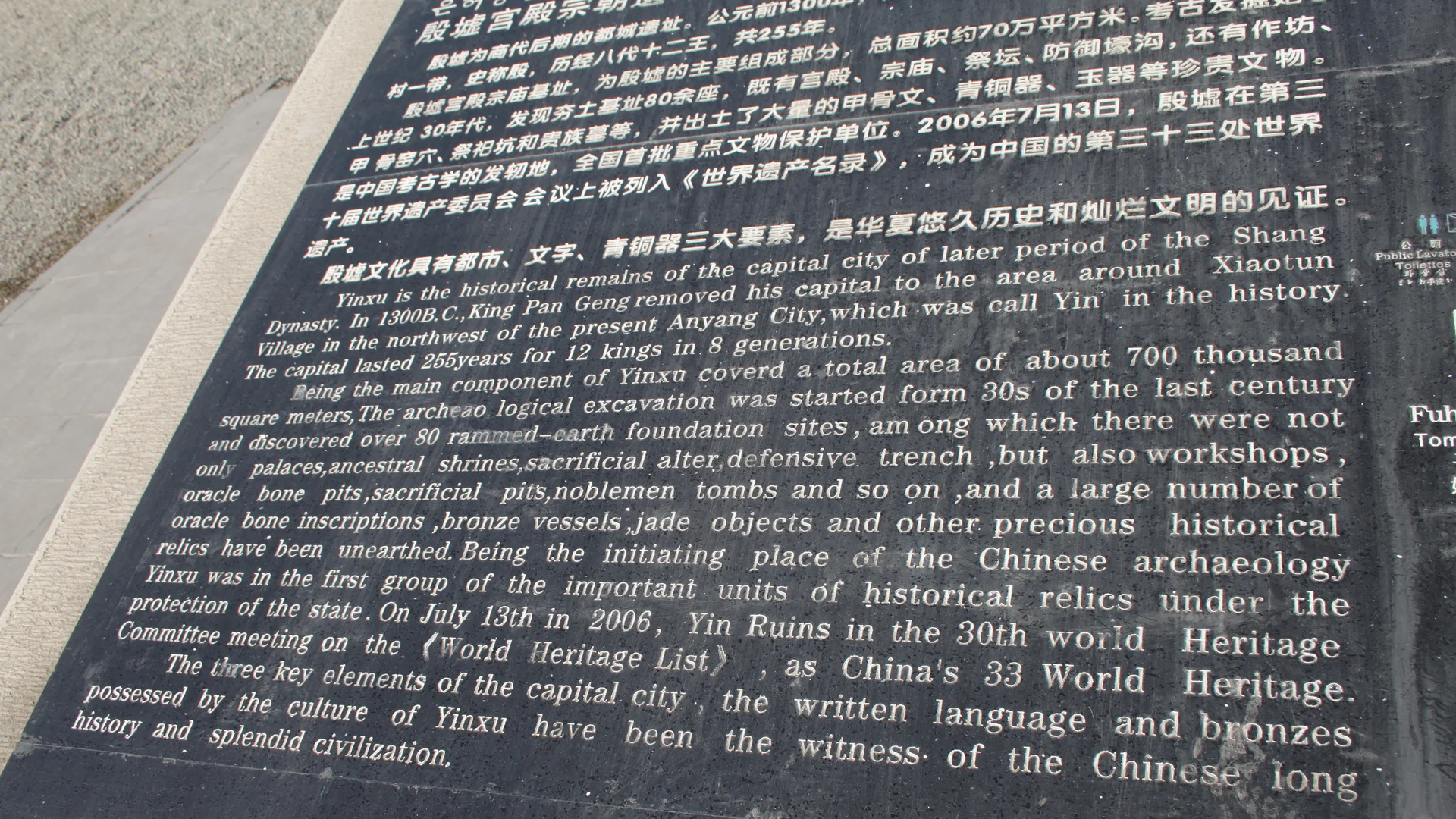
henan Yinxu — The Anyang Site That Works Through Oracle Bones, Ruins, And Civilizational Weight
殷墟 · Yinxu
A rights-safe guide to Yinxu for travelers deciding whether this Shang-civilization world-heritage site deserves the Anyang detour, with practical notes on archaeological reading, ruins, and why Yinxu works best through historical imagination rather than through monumental spectacle alone.
- henan
- March to May and September to November
- Easy