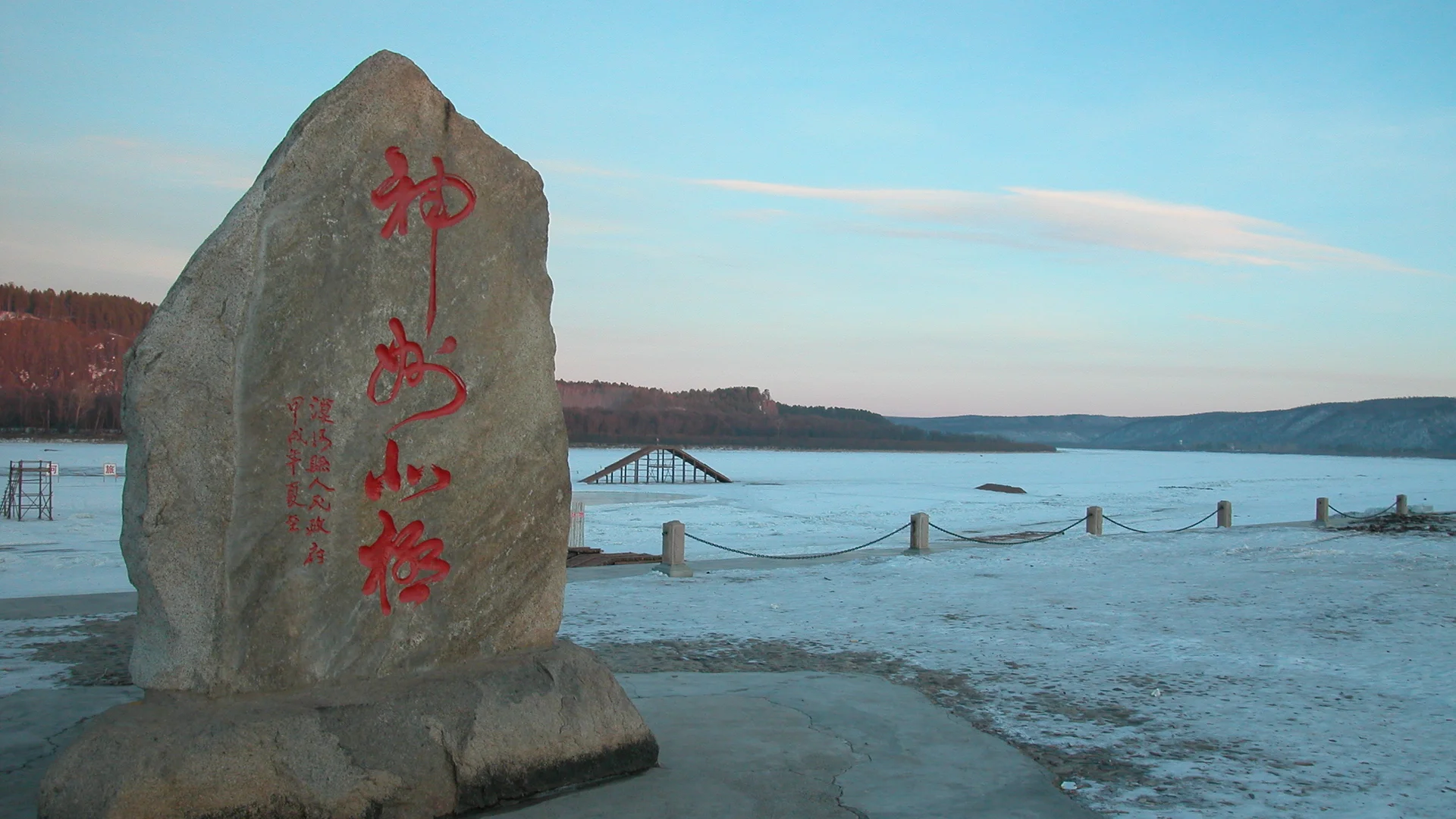
Quick facts
What to know before you go
Mohe Arctic Village — The Northernmost China Route That Works Best Through Light, Snow, And Latitude is a curated China Hidden Gems destination in Heilongjiang, selected for travelers who want the place, timing, effort, and logistics in one scan.
- Administrative location
- Mohe, Heilongjiang
- Chinese name
- 漠河北极村 · Mohe Beiji Cun
- Best season
- June to August or December to February
- Difficulty
- Easy
- Time needed
- 1-2 days
- Typical cost
- $$
- Getting there
- Treat Mohe as a remote northern route with long transfer logic and weather-sensitive pacing rather than as a quick check-in stop.
Editorial briefing
Why this place works
A rights-safe guide to Mohe for travelers deciding whether China’s far-north Arctic Village deserves a dedicated detour, with practical notes on winter atmosphere, summer light, borderland pacing, and why Mohe works better as a latitude-and-landscape route than as a gimmick-heavy check-in.
Why go
- A rights-safe guide to Mohe for travelers deciding whether China’s far-north Arctic Village deserves a dedicated detour, with practical notes on winter atmosphere, summer light, borderland pacing, and why Mohe works better as a latitude-and-landscape route than as a gimmick-heavy check-in.
- Mohe Arctic Village — The Northernmost China Route That Works Best Through Light, Snow, And Latitude gives travelers a concrete reason to plan around Mohe, heilongjiang, not just a generic first-trip city list.
- It is strongest for far north, snow, borderland, with enough practical context to compare timing, difficulty, and onward route fit.
Turn this into a trip
Save Mohe Arctic Village — The Northernmost China Route That Works Best Through Light, Snow, And Latitude, then plan around it.
Keep this gem on your device, open it in your bucket list, or start a planner draft with the destination already filled in.
Trip planning intake
Ask whether Mohe Arctic Village — The Northernmost China Route That Works Best Through Light, Snow, And Latitude fits your route.
This is a lightweight planning signal, not an instant concierge. Leave your trip context and a real question, and the team can reply manually after review.
Story visuals
Mohe Arctic Village — The Northernmost China Route That Works Best Through Light, Snow, And Latitude
The Far-North Page That Needs Geography More Than Hype
Mohe is easy to misread because the marketing shorthand arrives before the place does. “Northernmost China” is memorable, but it can also flatten the destination into a novelty stop unless the page explains what actually makes the trip worth doing. The right answer is not a signpost or a themed post office. It is latitude made visible through light, snow, river-edge atmosphere, and the feeling that China’s settled geography has thinned into something quieter and farther away.
That distinction matters. A premium page should not sell Mohe as a one-photo achievement. It should show why the far north changes the emotional texture of the trip. The daylight feels different, the winter darkness carries more weight, and the settlement pattern near Beiji works because the geography still explains itself. When the page is honest about that, Mohe becomes much more defensible.
It also becomes easier to understand why the place can be rewarding in more than one season. Winter is the obvious draw because snow, extreme cold, and long northern nights turn the route into something stark and atmospheric. But the point is not just severity. The point is that Mohe is one of the few domestic pages where latitude itself becomes part of the travel logic.
Why It Works
First, Mohe gives Heilongjiang a different anchor from festival or city-based winter pages. Harbin works through event density, architecture, and urban winter spectacle. Mohe works through distance, quiet, and sky. That difference matters because it prevents the province’s northern identity from collapsing into one single travel mode.
Second, the destination has real atmospheric force. The roads, the riverside setting, the northern markers, the cold-season silence, and the possibility of unusual sky conditions all support the same feeling. Even when individual attractions are simple, the route remains coherent.
Third, Mohe rewards travelers who understand that geography can be the attraction. There are destinations where the goal is to consume as many named sights as possible. Mohe is stronger when the traveler allows the environment to do the work. Snow on roofs, long blue twilight, or broad summer light can matter more than a packed attraction count.
How To Shape The Trip
Start by deciding whether the trip is winter-first or latitude-first. Winter-first travelers want snow, cold, and the far-north mood at maximum intensity. Latitude-first travelers may care just as much about midnight brightness, northern atmosphere, and the psychological value of reaching the country’s far edge. Both are legitimate, but the page should help the user choose rather than pretending one formula fits all.
The second decision is whether Arctic Village is the endpoint or one node in a wider northern route. The stronger approach is usually the second. Beiji should anchor the day, but not shrink it. The surrounding movement, the approach, and the sense of borderland distance all help the destination feel more complete.
The third decision is expectation management around aurora and “extreme north” imagery. Aurora is a rare bonus, not the contract. The page should say this plainly. Overpromising sky phenomena damages trust faster than almost anything else. Mohe is still worth doing when the trip is built on latitude, snow, quiet, and mood rather than on miracle conditions.
A fourth decision is temperature tolerance. The far north is not difficult in a technical sense, but it is demanding if the traveler arrives underprepared. In winter especially, clothing discipline, pacing, and realistic outdoor exposure time matter. The page should treat that as basic planning, not as a dramatic warning.
What To Prioritize
Prioritize atmosphere over gimmicks. The northernmost markers are real and they matter, but they should confirm the geography, not replace it. If the traveler spends the whole day collecting signs and labels, the route becomes thinner than it needs to be.
Prioritize the quality of light as well. Mohe is one of those places where morning, twilight, and weather shifts can define the memory more than one single attraction. That is unusual and valuable. The page should help the traveler protect time for those transitions instead of overfilling the day.
It is also worth prioritizing honesty about scale. The destination is remote by design. That remoteness is part of the appeal, but it also means the traveler should not expect dense urban convenience or nonstop polished programming. Premium guidance should frame the remoteness as a selection filter, not as a flaw.
A final priority is keeping the route grounded. Mohe does not need mystical polar rhetoric or exaggerated adventure language. The place is already strong enough. It becomes more credible when the page explains how snow, darkness, distance, and borderland geography work together in plain terms.
What Can Go Wrong
The most common mistake is reducing Mohe to a novelty checklist. That approach produces a shallow day and often leaves the traveler wondering why they came so far. The destination becomes better the moment the user understands that quiet atmosphere is part of the product.
Another mistake is betting the whole trip on aurora. Even when northern lights appear, they should be treated as an exceptional layer rather than as the guaranteed headline. The page should protect trust by making that explicit.
Seasonal mismatch can also weaken the route. Travelers who only want busy activity density may find Mohe sparse. Travelers who cannot tolerate cold may make bad winter judgments. And travelers who refuse long-distance pacing will likely under-read the destination entirely.
Who Should Save It
Save Mohe if you care about far-north atmosphere, winter light, sky conditions, and the psychological pull of going to China’s northern edge. It is especially strong for travelers who like geography-driven trips more than attraction-count trips.
It is weaker for travelers who need high-density entertainment, guaranteed sky drama, or very compact urban convenience. Mohe is worth it when the traveler values latitude, mood, and remoteness as part of the destination itself.
What To Confirm Before You Go
Before you finalize the route, confirm the season you actually want, the cold tolerance you realistically have, and whether you are treating Arctic Village as a route anchor rather than a novelty endpoint. The honest promise is simple: Mohe is rewarding when you travel for light, distance, and northern atmosphere, not when you expect one gimmick to carry the whole trip.
Traveler actions
Save, check in, share, and help other travelers judge whether this place is worth the trip.
Traveler Comments
Share your Mohe Arctic Village — The Northernmost China Route That Works Best Through Light, Snow, And Latitude experience
Continue exploring
More in heilongjiang
View all →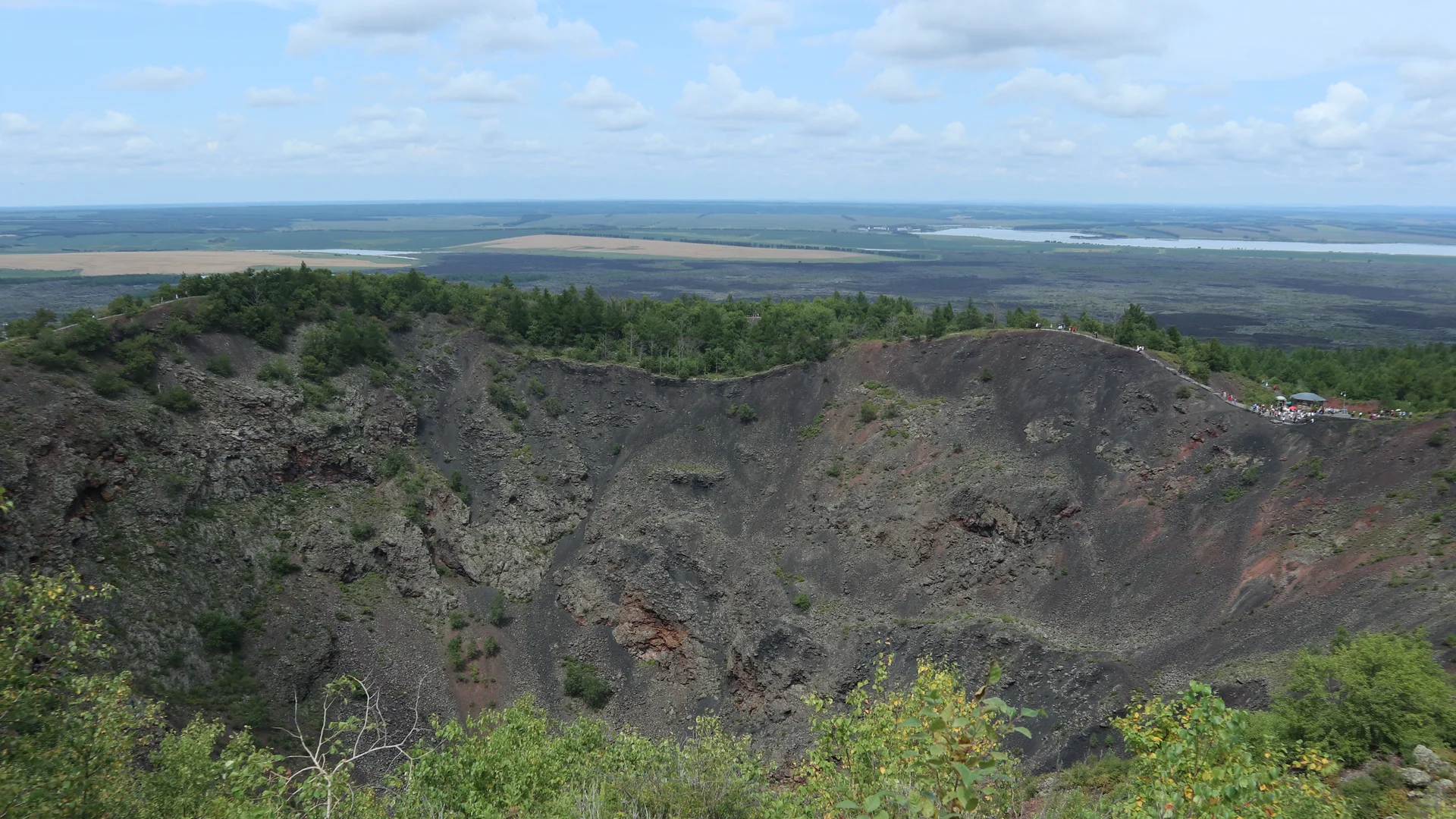 heilongjiang
 Wudalianchi — The Northern Volcanic Geopark Where Craters, Lava, And Lakes Form A Real Detour
五大连池 · Wudalianchi
A rights-safe guide to Wudalianchi for travelers deciding whether this Heilongjiang volcanic geopark deserves the detour, with practical notes on dispersed sights, crater-and-lake logic, and why Wudalianchi works best for landform readers rather than for travelers expecting one single hero viewpoint.
- heilongjiang
- June to September and early October
- Moderate
 heilongjiang
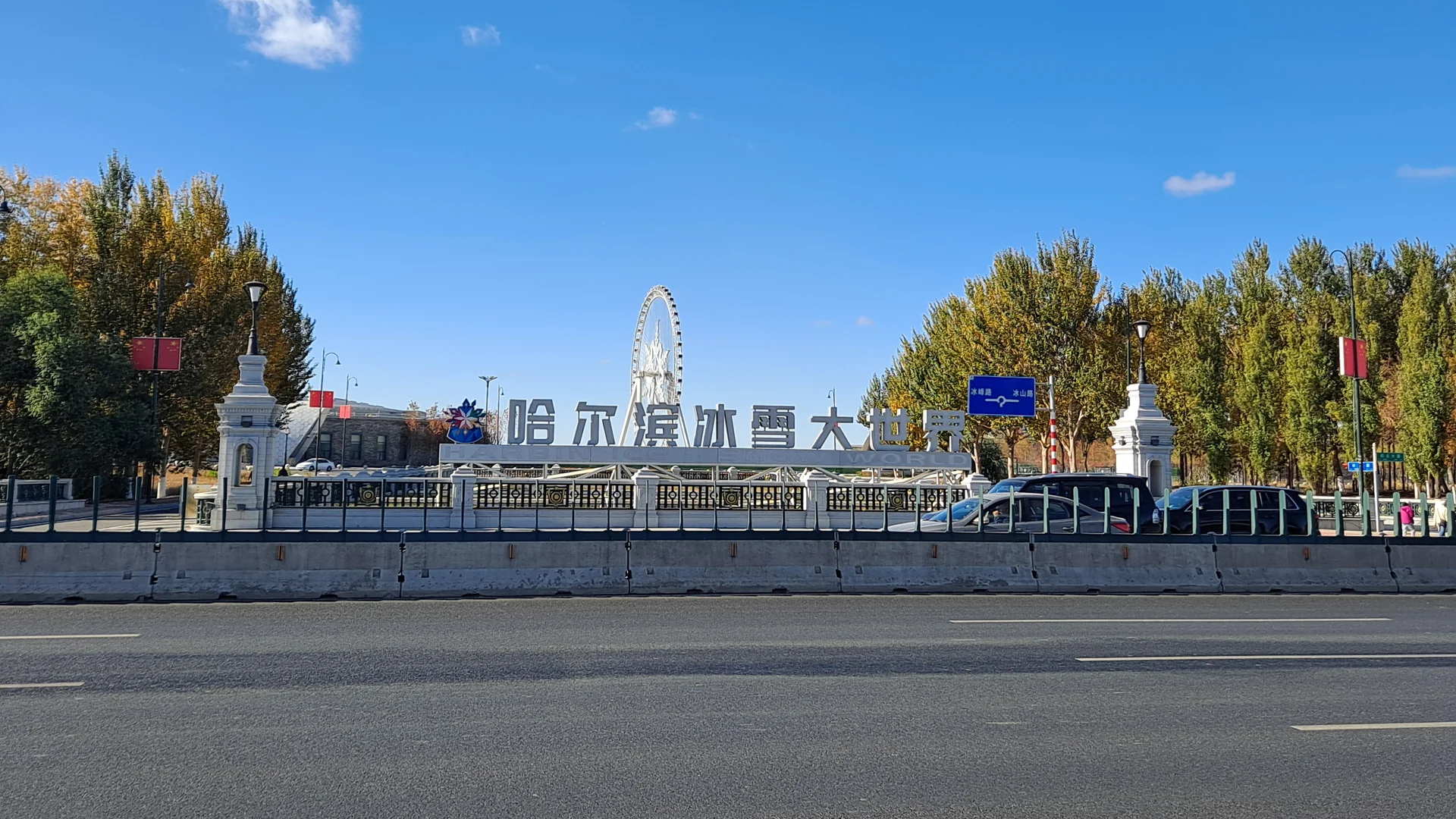
 Harbin Ice & Snow World — The Winter Spectacle That Only Makes Sense After Dark
哈尔滨冰雪大世界 · Haerbin Bingxue Dashijie
A rights-safe guide to Harbin Ice & Snow World for travelers deciding how to handle the cold, whether to pair Sun Island in the same route, and why the park only really justifies itself as a night-first winter spectacle rather than a generic daytime festival stop.
- heilongjiang
- Late December to February
- Moderate