Quick facts
What to know before you go
Nanshan Temple — The Sanya Buddhist Landmark That Works Through Scale, Sea, And Contemporary Devotional Theatre is a curated China Hidden Gems destination in Hainan, selected for travelers who want the place, timing, effort, and logistics in one scan.
- Administrative location
- Sanya, Hainan
- Chinese name
- 南山寺 · Nanshan Si
- Best season
- November to March
- Difficulty
- Easy
- Time needed
- 2-4 hours
- Typical cost
- $$
- Getting there
- Treat Nanshan as a focused symbolic stop that needs sensible timing and enough energy to absorb the scale, not as a casual add-on between beaches.
Official planning links
Editorial briefing
Why this place works
A rights-safe guide to Nanshan Temple for travelers deciding whether this Sanya Buddhist landmark deserves focused time, with practical notes on symbolism, seaside setting, and why the site works best through scale and devotional atmosphere rather than through ancient-monastery intimacy.
Why go
- A rights-safe guide to Nanshan Temple for travelers deciding whether this Sanya Buddhist landmark deserves focused time, with practical notes on symbolism, seaside setting, and why the site works best through scale and devotional atmosphere rather than through ancient-monastery intimacy.
- Nanshan Temple — The Sanya Buddhist Landmark That Works Through Scale, Sea, And Contemporary Devotional Theatre gives travelers a concrete reason to plan around Sanya, hainan, not just a generic first-trip city list.
- It is strongest for buddhist landmark, hainan, sanya, with enough practical context to compare timing, difficulty, and onward route fit.
Turn this into a trip
Save Nanshan Temple — The Sanya Buddhist Landmark That Works Through Scale, Sea, And Contemporary Devotional Theatre, then plan around it.
Keep this gem on your device, open it in your bucket list, or start a planner draft with the destination already filled in.
Trip planning intake
Ask whether Nanshan Temple — The Sanya Buddhist Landmark That Works Through Scale, Sea, And Contemporary Devotional Theatre fits your route.
This is a lightweight planning signal, not an instant concierge. Leave your trip context and a real question, and the team can reply manually after review.
Story visuals
Nanshan Temple — The Sanya Buddhist Landmark That Works Through Scale, Sea, And Contemporary Devotional Theatre
The Sanya Landmark That Works Because Sacred Scale Is The Point
Nanshan Temple is one of those destinations that people often either dismiss too quickly or oversell in the wrong way. Some travelers write it off as a packaged tourist-bus stop with oversized symbolism and little authentic force. Others speak as if it should be approached like an ancient monastic complex preserved in quiet historical depth. Both framings miss what the site actually does well. Nanshan works through scale, sea-edge setting, and contemporary devotional theatre. It is not powerful because it feels intimate or hidden. It is powerful when the traveler is willing to let symbolic scale be the point.
That distinction matters because Hainan is easy to flatten into beach and resort language. Wuzhizhou gives the island offshore-sea energy. Wuzhishan gives it mountain identity. Nanshan adds something else entirely: a large-format Buddhist landmark where coast, belief, tourism, and spectacle overlap. Whether a traveler loves that overlap or distrusts it, the page has to frame it honestly instead of pretending the site is something gentler or older than it is.
A premium page should therefore avoid two lazy moves. The first is dismissing the site simply because it is highly managed and highly visited. The second is pretending it functions like an ancient temple cluster of quiet discovery. The honest and useful framing is that Nanshan is a modern Buddhist-cultural tourism zone whose strongest moments come from symbolic impact, sea-edge contrast, and the way the site stages devotion at public scale.
Why It Works
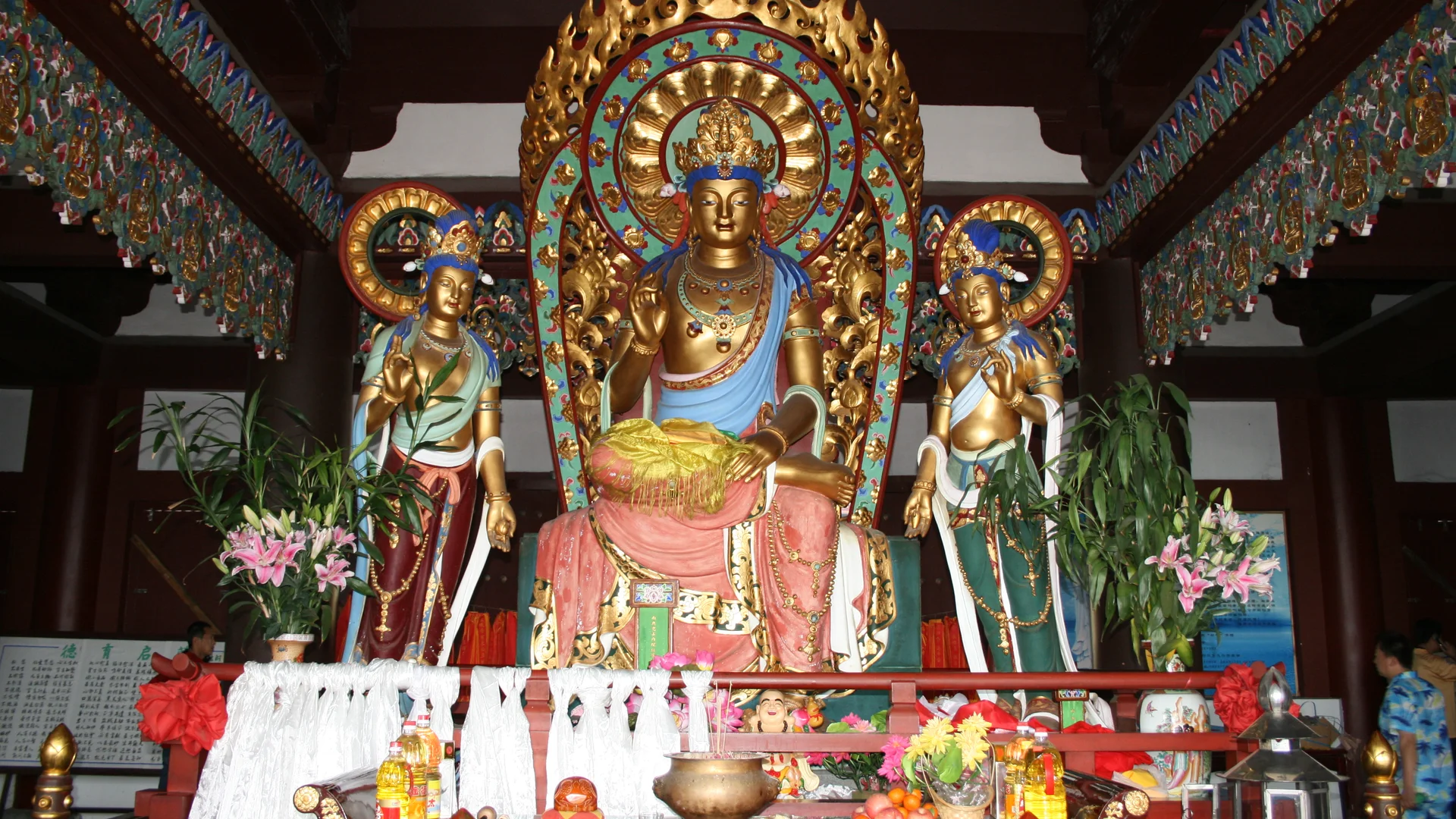
First, the landmark power is immediate. The giant Guanyin figure and the wider temple-zone composition do not require much interpretive setup to register. That matters because some destinations need long explanation before they feel different. Nanshan announces itself quickly.
Second, the coastal setting sharpens the site. The sea is not a decorative background. It changes the emotional reading of the temple zone. Spiritual symbolism, open water, tropical light, and large-format statuary create a type of Buddhist destination that feels very different from mountain monasteries or inland temple compounds.
Third, Nanshan gives Hainan editorial range. Without it, the island's pages would lean too heavily toward natural leisure and shoreline recreation. Nanshan adds religious-cultural spectacle, and that broadens what Hainan can mean to a traveler building a route.
A fourth reason it works is that it can still be effective for visitors who are not especially religious. The site's choreography is legible even when approached aesthetically or culturally. That makes it useful for a wider audience, as long as the page does not overpromise serenity or antiquity.
How To Shape The Visit
Start by deciding whether your Nanshan stop is symbol-first or temple-complex-first. Symbol-first is usually stronger. The site's power is concentrated in scale, setting, and the main sacred images. Travelers who expect endless architectural depth from every corner may dilute the strongest reading of the place.
The second decision is timing and climate. Heat, glare, and crowd flow matter in Sanya. Nanshan works much better when visitors arrive with enough energy to let the site register and with enough margin not to turn the stop into a purely logistical shuffle.
The third decision is expectation discipline around authenticity. This is not a hidden monastic world insulated from tourism. It is a highly visible cultural-tourism zone. The page should say that plainly, because honesty makes the site easier to value correctly.
A fourth decision is whether the stop is being paired with a larger Sanya day or treated as a stand-alone cultural landmark. Either can work, but the stronger itinerary usually protects enough time that the scale and sea-setting do not get reduced to drive-by proof.
What To Prioritize
Prioritize the main symbolic axis and the sea-edge setting. That is where the site's character is clearest.
Prioritize physical pacing too. Heat and crowd density can thin the experience if ignored.
It is also worth prioritizing the difference between devotional atmosphere and pure spectacle. The site becomes more legible when both are allowed to coexist.
A final priority is keeping the promise honest. Nanshan is strongest as a major symbolic landmark, not as a quiet ancient monastery.
What Can Go Wrong
The first mistake is expecting intimate historical monastic depth and then rejecting the site for being too staged.
Another mistake is treating the stop as only a photo stop and missing the way sea and symbolism reinforce each other.
The third mistake is arriving in peak heat or crowd pressure with no patience left for the site's scale to land.
Who Should Save It
Save Nanshan Temple if you care about Buddhist landmarks, large-format sacred symbolism, and destinations where sea and devotion create an unusual atmosphere. It is especially good for travelers who want a Hainan page with cultural scale rather than only leisure-beach identity.
It is weaker for travelers who only value intimate old temples or who strongly dislike high-profile managed sites. Nanshan is worth it when the traveler is willing to judge it as a modern symbolic landmark on its own terms.
What To Confirm Before You Go
Before finalizing the stop, be honest about your tolerance for heat, crowd flow, and managed cultural sites, and decide whether you want the visit for symbolic force, spiritual curiosity, or simply a different reading of Sanya. The honest promise is simple: Nanshan is rewarding when you approach it as a large-scale Buddhist-seaside landmark, not as an ancient cloister hidden from tourism.
Traveler actions
Save, check in, share, and help other travelers judge whether this place is worth the trip.
Traveler Comments
Share your Nanshan Temple — The Sanya Buddhist Landmark That Works Through Scale, Sea, And Contemporary Devotional Theatre experience
Continue exploring
More in hainan
View all →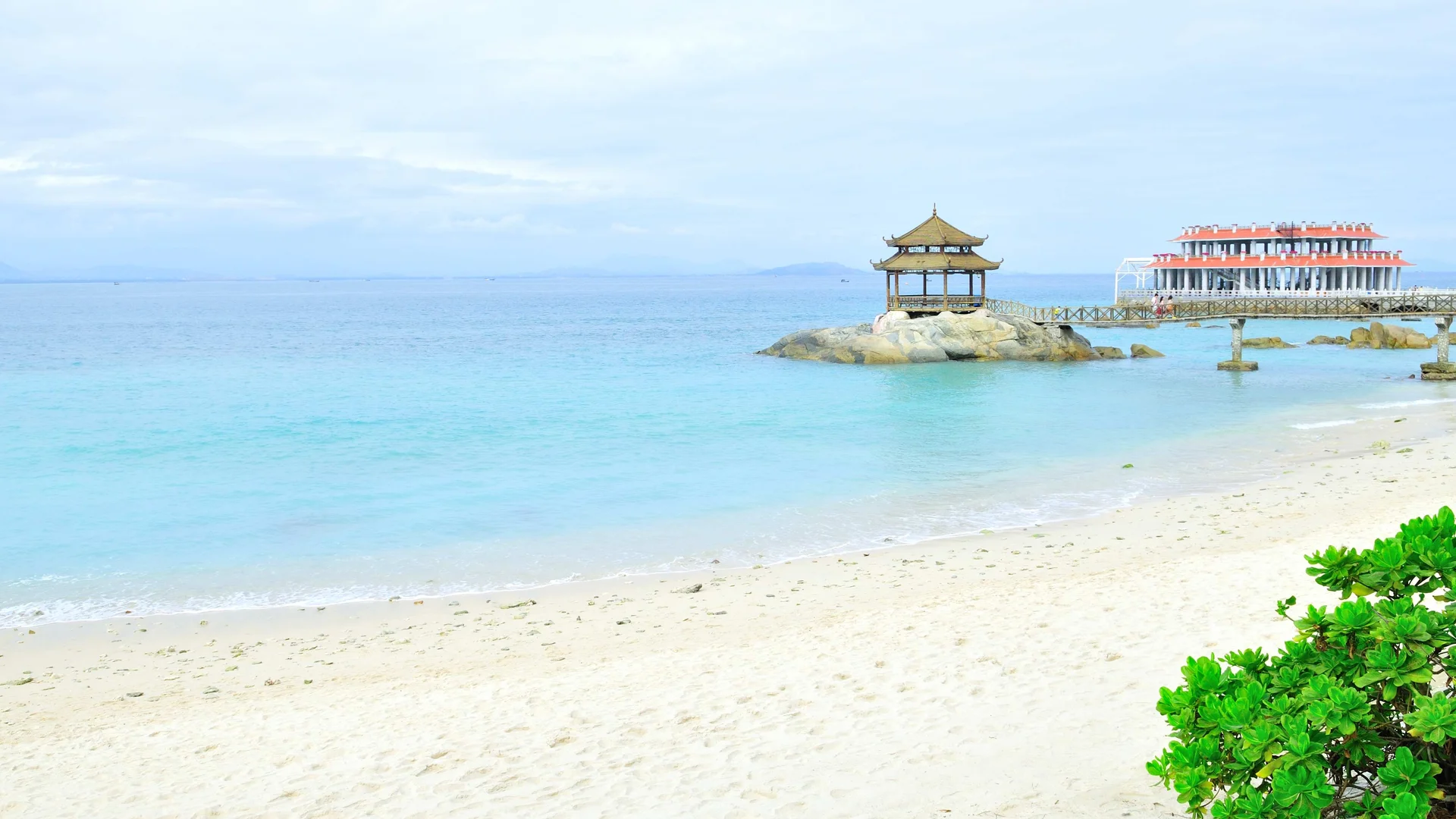 hainan
 Sanya & Wuzhizhou Island — The Tropical Route That Works Best When Sea Quality Stays Central
三亚蜈支洲岛 · Sanya Wuzhizhou Dao
A rights-safe guide to Sanya and Wuzhizhou for travelers deciding how much of the trip should center on the island, with honest notes on water clarity, ferry-and-island rhythm, how Yalong and Haitang Bay fit around it, and why generic beach resort planning usually misses the best part.
- hainan
- November to March
- Easy
 hainan
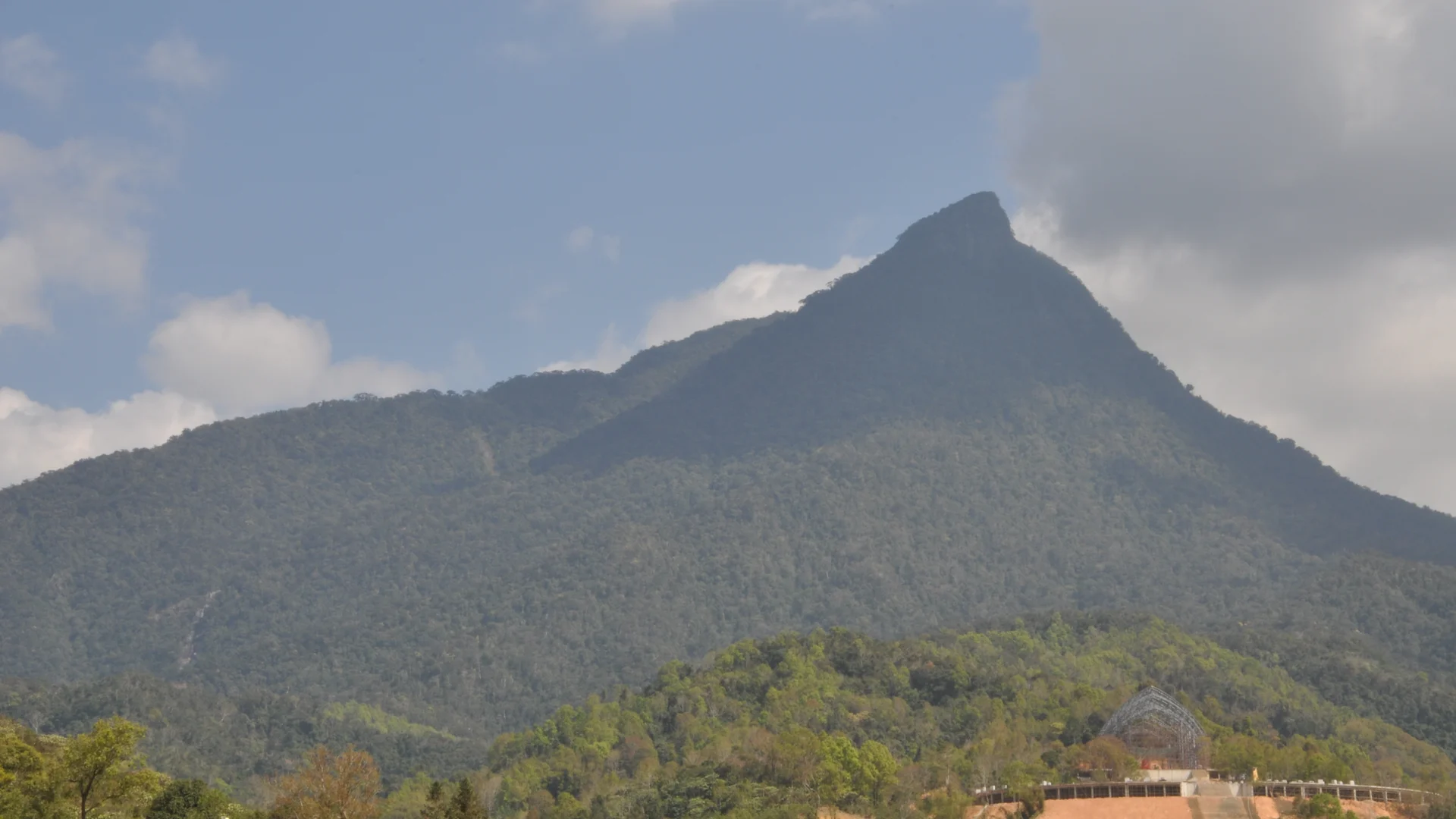
 Wuzhishan — The Rainforest Peak Route That Gives Hainan A Serious Mountain Core
五指山 · Wuzhishan
A rights-safe guide to Wuzhishan for travelers deciding whether Hainan's interior mountain route deserves time away from the coast, with practical notes on rainforest conditions, hiking appetite, and why Wuzhishan works best as an interior-contrast day rather than as a beach-trip add-on.
- hainan
- November to March
- Moderate