
Quick facts
What to know before you go
Gulangyu — The Island Settlement Where Villas, Slopes, And Ferry Separation Still Shape The Mood is a curated China Hidden Gems destination in Fujian, selected for travelers who want the place, timing, effort, and logistics in one scan.
- Administrative location
- Xiamen, Fujian
- Chinese name
- 鼓浪屿 · Gulangyu
- Best season
- October to April
- Difficulty
- Easy
- Time needed
- Half day to full day
- Typical cost
- $$
- Getting there
- Treat Gulangyu as a ferry-timed pedestrian island rather than as a mainland-style free-form city walk.
Official planning links
Editorial briefing
Why this place works
A rights-safe guide to Gulangyu for travelers deciding whether this ferry-separated island deserves time beyond the postcard version, with practical notes on visitor flow, walking rhythm, and why Gulangyu works best as a managed island fabric rather than as a simple scenic detour from Xiamen.
Why go
- A rights-safe guide to Gulangyu for travelers deciding whether this ferry-separated island deserves time beyond the postcard version, with practical notes on visitor flow, walking rhythm, and why Gulangyu works best as a managed island fabric rather than as a simple scenic detour from Xiamen.
- Gulangyu — The Island Settlement Where Villas, Slopes, And Ferry Separation Still Shape The Mood gives travelers a concrete reason to plan around Xiamen, fujian, not just a generic first-trip city list.
- It is strongest for island, heritage, xiamen, with enough practical context to compare timing, difficulty, and onward route fit.
Turn this into a trip
Save Gulangyu — The Island Settlement Where Villas, Slopes, And Ferry Separation Still Shape The Mood, then plan around it.
Keep this gem on your device, open it in your bucket list, or start a planner draft with the destination already filled in.
Trip planning intake
Ask whether Gulangyu — The Island Settlement Where Villas, Slopes, And Ferry Separation Still Shape The Mood fits your route.
This is a lightweight planning signal, not an instant concierge. Leave your trip context and a real question, and the team can reply manually after review.
Story visuals
Gulangyu — The Island Settlement Where Villas, Slopes, And Ferry Separation Still Shape The Mood
The Island Page That Only Works If You Respect The Ferry Gap
Gulangyu is easy to flatten because the island's charm is so immediately marketable. Villas, sea views, sloped lanes, trees, colonial-era layers, and pedestrian streets all lend themselves to a single romantic story. The problem is that romantic stories tend to erase the actual structure of the place. Gulangyu works because it is not just beautiful. It is separated, paced, and managed differently from the mainland, and that difference still shapes how the island feels.
A premium page should therefore start with access logic, not nostalgia. The ferry gap is not only transportation. It is one of the reasons the island retains a distinct rhythm. Once travelers cross, they are entering a settlement where slopes, old buildings, sea exposure, and crowd management all interact differently from a normal city district. That is more important than any single villa or viewpoint.
This is also why Gulangyu can survive being famous. Many iconic island destinations become so overtranslated into tourism language that the place itself disappears. Gulangyu is pressured, certainly, but the fabric still holds. Streets, gardens, facades, paths, staircases, and views remain legible enough that the visitor can still experience the island as an environment rather than as a montage of attractions.
Why It Works
First, the island gives Fujian a second heritage language beyond tulou. The province is already rich in earthen architecture, but Gulangyu adds a coastal-island settlement shaped by maritime exchange, mixed architecture, and compressed pedestrian scale. That difference matters because it broadens Fujian instead of repeating it.
Second, Gulangyu rewards walkers. The island's power is distributed through slopes, corners, lanes, gates, sea glimpses, and sudden open spaces. This means the page can support both short and longer visits. Even a compact route can feel complete if the traveler reads the island as a whole instead of as a queue between famous spots.
Third, the island still benefits from the fact that it is not road-dominated. This gives Gulangyu a kind of quiet structure that many urban heritage sites have already lost. It also means crowd management, ferry timing, and walking appetite matter much more than travelers sometimes expect.
How To Shape The Visit
Start by deciding whether you want the island at peak visibility or at its most readable. These are not always the same thing. Busy windows can make Gulangyu feel highly social and photogenic, but they can also flatten the streets into a stream. Calmer windows often make the built fabric easier to understand.
The second decision is whether you are going for attraction collection or island atmosphere. Atmosphere-first is stronger. The island becomes thinner when it is reduced to a list of iconic stops with no continuity between them. The best visits let slopes, houses, vegetation, and sea air connect the major points naturally.
The third decision is patience with infrastructure. Ferries, visitor controls, and timing constraints are not annoying add-ons here. They are part of how the island is protected and experienced. A premium page should help travelers accept this rather than treating it as friction that must be hacked around.
A fourth decision is whether Gulangyu is your full day or a concentrated partial day. Both can work, but the island is stronger when the schedule leaves enough room for unforced walking. Overcompression turns an unusually textured place back into a checklist.
What To Prioritize
Prioritize the island's internal continuity. The roads, views, villas, and gardens mean more as one system than as isolated stops.
Prioritize pedestrian rhythm too. Gulangyu is persuasive because walking still feels like the default way to understand the place. That should shape the route and the writing.
It is also worth prioritizing mood honesty. Gulangyu can be beautiful and crowded, managed and atmospheric, famous and still worthwhile. The page should be comfortable holding those truths together instead of choosing a simplistic story.
A final priority is keeping the island distinct from generic romance-island prose. Gulangyu does not need poetic overstatement. It is already strong enough as a ferry-separated settlement where architecture, slopes, and movement patterns still generate a very specific mood.
What Can Go Wrong
The first mistake is fighting the ferry system and timing constraints as if they were external to the destination. On Gulangyu they are part of the experience.
Another mistake is trying to convert the island into a pure checklist. That approach wastes the strongest thing Gulangyu still has, which is environmental coherence.
The third mistake is expecting the island to feel quiet at all times simply because cars are absent. Pedestrian islands can still be heavily pressured. The page should help travelers choose the windows that suit their tolerance and goals.
Who Should Save It
Save Gulangyu if you care about walkable island settlements, mixed architecture, and places where access shape still affects mood. It is especially strong for travelers who want Fujian to feel coastal, layered, and urban-historic rather than only rural or mountainous.
It is weaker for travelers who dislike crowd-managed classics or who want a totally unmediated island experience. Gulangyu is worth it when the traveler values intact pedestrian fabric more than fantasy solitude.
What To Confirm Before You Go
Before finalizing the route, confirm ferry timing, decide whether atmosphere or attraction collection matters more, and protect enough time to let the island unfold on foot. The honest promise is simple: Gulangyu is rewarding when you visit it as a complete island settlement, not as a scenic side trip.
Traveler actions
Save, check in, share, and help other travelers judge whether this place is worth the trip.
Traveler Comments
Share your Gulangyu — The Island Settlement Where Villas, Slopes, And Ferry Separation Still Shape The Mood experience
Continue exploring
More in fujian
View all →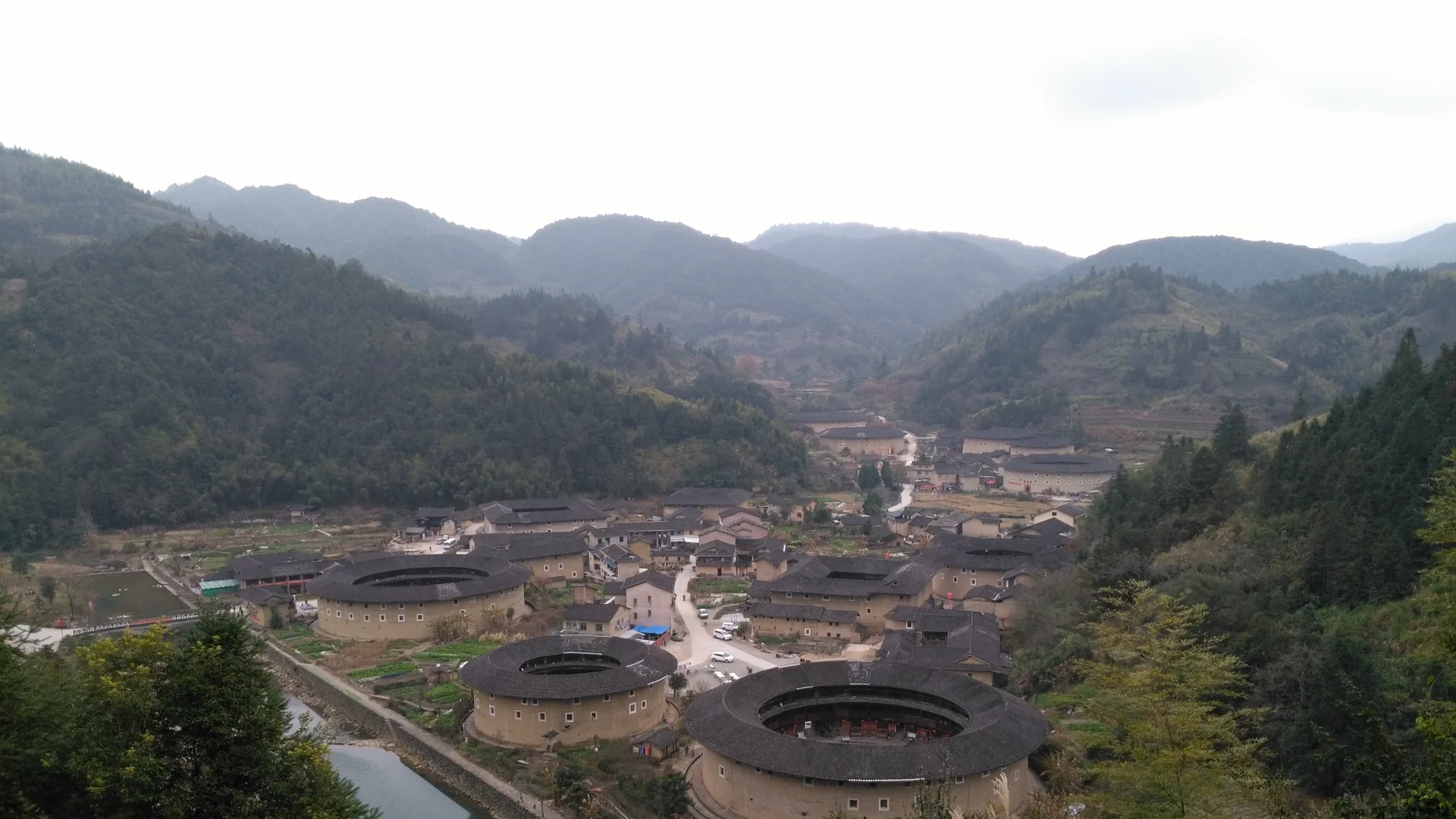 fujian
 Hakka Tulou — The Earthen Fortress Landscape That Still Feels Unbelievable
福建土楼 · Fujian Tulou
A rights-safe guide to Hakka Tulou for travelers choosing between Yongding and Nanjing clusters, with honest notes on Tianluokeng versus Chengqi Lou, why an overnight stay can matter, and how to experience the tulou as a living architectural landscape rather than a one-photo curiosity.
- fujian
- March to May and September to November
- Easy
 fujian
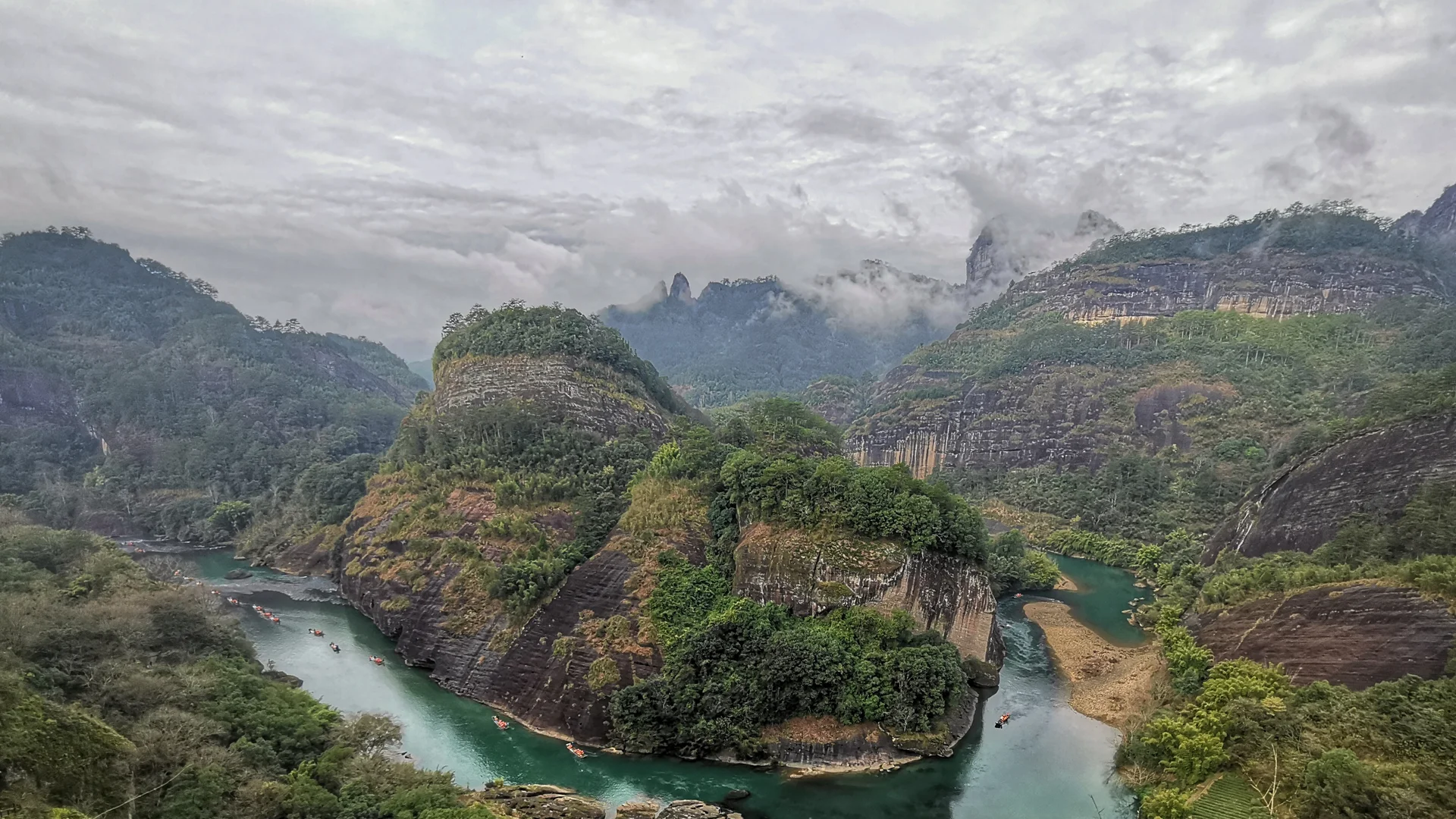
 Wuyi Mountain — The Fujian World Heritage Route That Works Through River Motion, Cliff Relief, And Tea-Scale Culture
武夷山 · Wuyi Shan
A rights-safe guide to Wuyi Mountain for travelers deciding whether Fujian's best-known mountain-and-river heritage route deserves dedicated time, with practical notes on rafting, cliff viewpoints, and why Wuyi works best as a moving landscape rather than a summit-only excursion.
- fujian
- March to May and September to November
- Moderate
 fujian
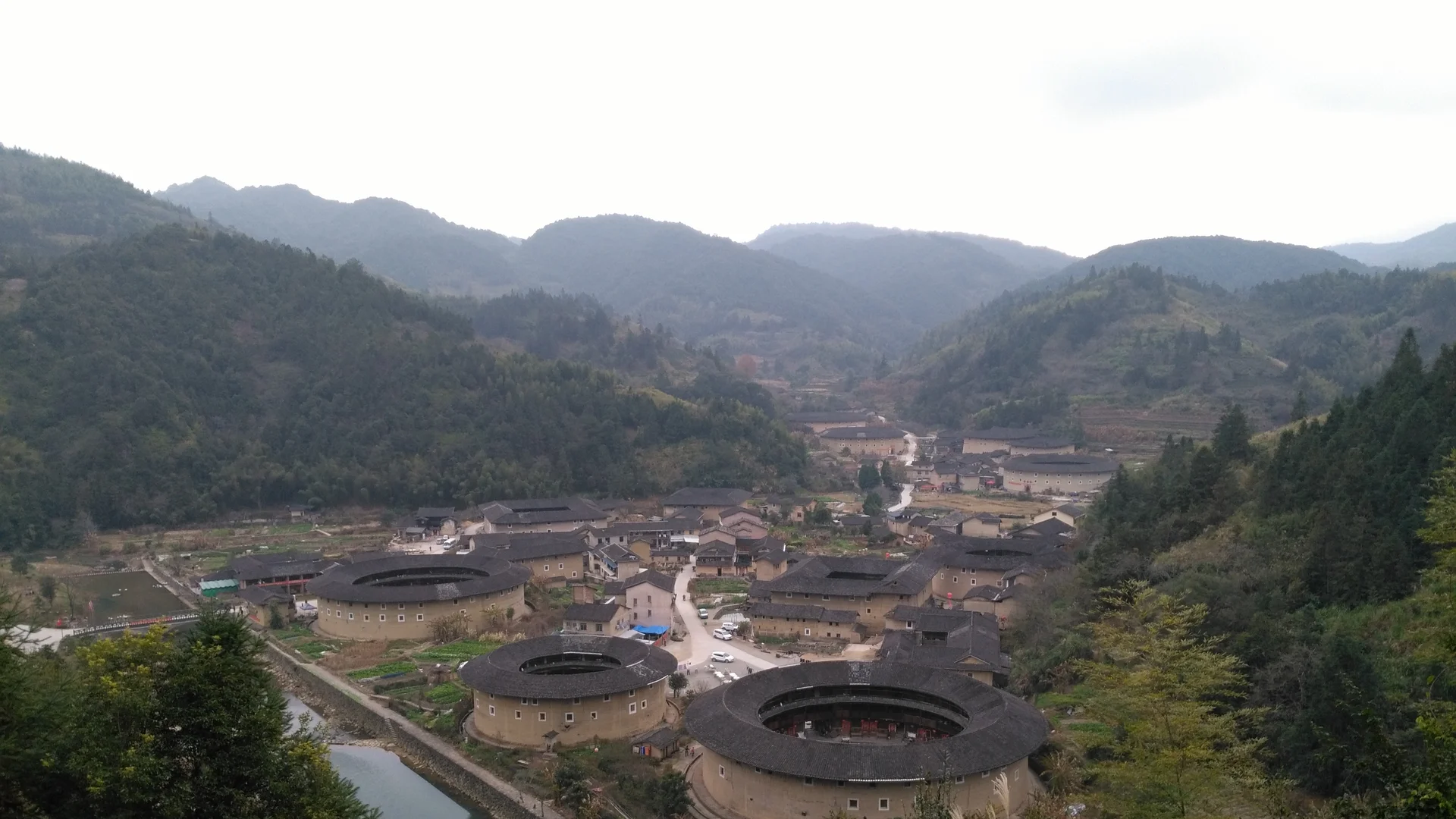
 Fujian Tulou — The Earthen Fortress Villages That Still Feel Like A Collective World
南靖土楼 · Nanjing Tulou
A rights-safe guide to Fujian Tulou for travelers deciding whether the earthen fortress villages deserve a real detour, with practical notes on cluster logic, walking scale, building types, and why Tulou works best when treated as a settlement world instead of a one-building photo stop.
- fujian
- March to May and October to December
- Easy