Quick facts
What to know before you go
Dunhuang City Route — How To Link Mogao, Desert Light, And The Town Without Wasting A Day is a curated China Hidden Gems destination in Gansu, selected for travelers who want the place, timing, effort, and logistics in one scan.
- Administrative location
- Dunhuang, Gansu
- Chinese name
- 敦煌 · Dunhuang
- Best season
- April to June and September to October
- Difficulty
- Easy
- Time needed
- 1-2 nights
- Typical cost
- $$
- Getting there
- Use Dunhuang as the base, then build the route around fixed Mogao timing and one late-day Mingsha window instead of treating the city as one blended attraction.
Official planning links
Editorial briefing
Why this place works
A rights-safe route page for Dunhuang: where to base, how to sequence Mogao and Mingsha, what the town itself is good for, and how to avoid turning a short Silk Road stop into a transfer-heavy mess.
Why go
- A rights-safe route page for Dunhuang: where to base, how to sequence Mogao and Mingsha, what the town itself is good for, and how to avoid turning a short Silk Road stop into a transfer-heavy mess.
- Dunhuang City Route — How To Link Mogao, Desert Light, And The Town Without Wasting A Day gives travelers a concrete reason to plan around Dunhuang, gansu, not just a generic first-trip city list.
- It is strongest for city route, silk road, trip planning, with enough practical context to compare timing, difficulty, and onward route fit.
Turn this into a trip
Save Dunhuang City Route — How To Link Mogao, Desert Light, And The Town Without Wasting A Day, then plan around it.
Keep this gem on your device, open it in your bucket list, or start a planner draft with the destination already filled in.
Trip planning intake
Ask whether Dunhuang City Route — How To Link Mogao, Desert Light, And The Town Without Wasting A Day fits your route.
This is a lightweight planning signal, not an instant concierge. Leave your trip context and a real question, and the team can reply manually after review.
Story visuals
Dunhuang City Route — How To Link Mogao, Desert Light, And The Town Without Wasting A Day
Dunhuang Works Best As A Base, Not A Blur
The problem with many Dunhuang itineraries is that they collapse three different things into one blur: Mogao Caves, the desert landscape at Mingsha Mountain and Crescent Spring, and the town itself. On paper they all seem close. In practice, the experience depends on sequencing. Reservation timing, desert light, transport friction, and energy all shape whether Dunhuang feels like a compact, elegant stop or like a rushed transfer point between photo ops.
That is why Dunhuang needs a route page, not only two separate destination pages. Mogao and Mingsha are both strong enough to stand alone, but a traveler still needs one practical answer to the bigger question: if I have one night or two nights here, what is the sane order of operations?
Why This Page Exists
The first reason is timing. Mogao tends to set the day because access is structured and conservation-led. Mingsha is more flexible but visually strongest when light softens and the heat drops. The town fills the gaps: arrival, rest, food, museum or market surfaces, and recovery between the heritage stop and the desert stop. Without a route page, those relationships stay implicit and travelers end up improvising the most expensive part of the experience.
The second reason is expectation control. Dunhuang is famous enough that many travelers assume they can see everything in half a day. That is sometimes technically possible, but usually it is not the version worth taking. The better route is more selective and calmer: one fixed heritage anchor, one desert-light anchor, and a town base that absorbs the transitions.
The third reason is product logic. ChinaHiddenGems should not only publish beautiful destinations in isolation. It should also help the user connect them. Dunhuang is one of the clearest examples of where the route page is part of the product, not a secondary convenience.
The One-Night Version
The one-night version of Dunhuang is about discipline. Arrive, settle into town, avoid overcommitting your first evening, and use the next fixed slot for whichever anchor is least flexible. If Mogao timing is already confirmed, the rest of the route bends around it. If the traveler arrives in time for a strong late-afternoon desert window, Mingsha may take that slot while the cave visit anchors the next morning.
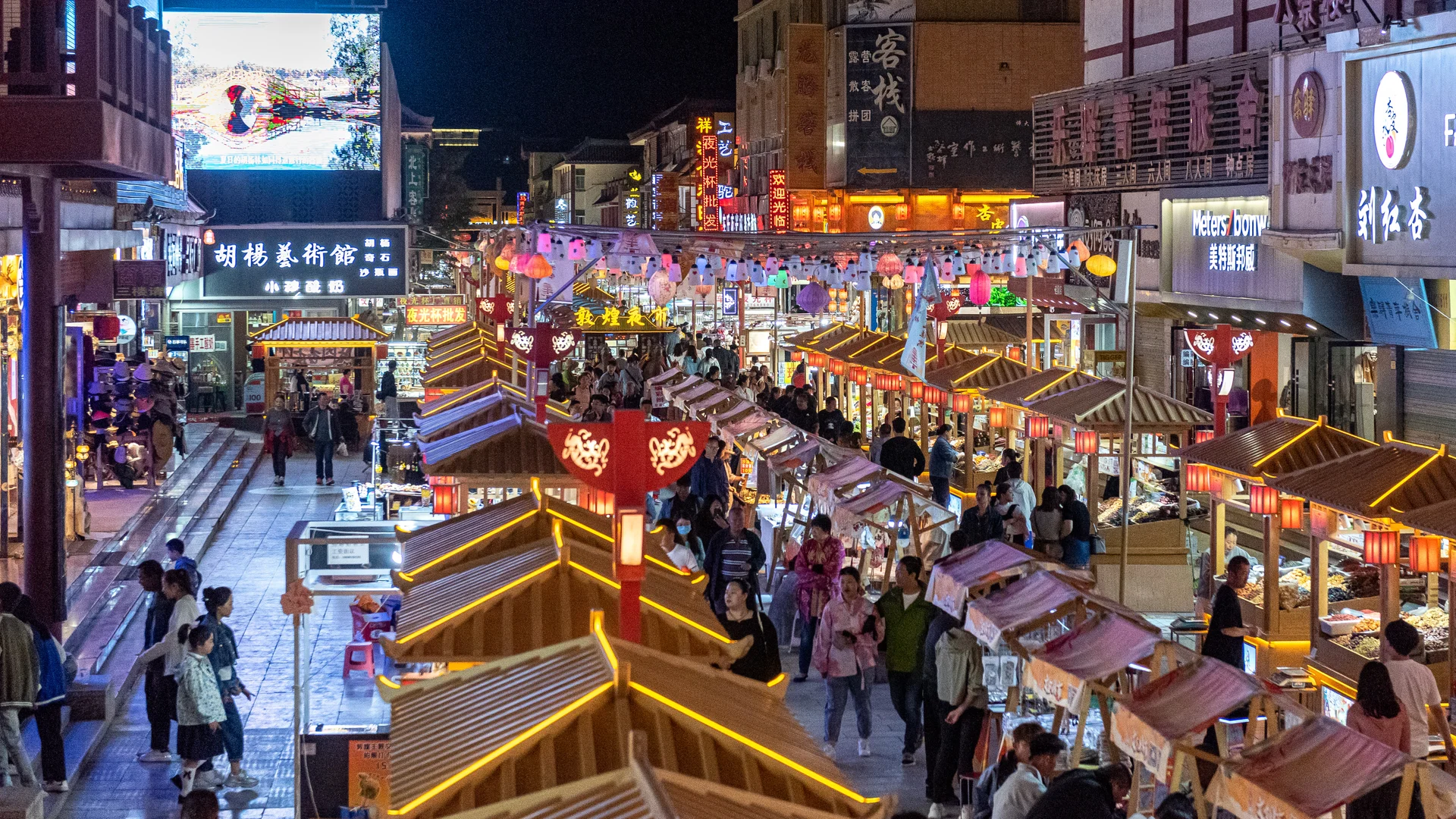
In this short version, the town itself should not be sold as a long list of attractions. The useful town role is practical: sleep well, move efficiently, eat, and leave enough buffer so the major stop still lands emotionally. Night market or city walking are supporting moves, not the reason for the trip.
The Two-Night Version
Two nights is where Dunhuang becomes elegant. One day can carry Mogao and whatever museum or low-friction town surface fits around it. The other can carry Mingsha, sunset, and a slower evening return. That split protects both experiences. Heritage does not feel squeezed. The desert does not feel like a heat-soaked afterthought.
This is also the version most worth recommending to first-time travelers who are coming specifically for Dunhuang rather than passing through. It creates space for weather adaptation, fatigue, and better pacing. If a traveler only remembers one planning lesson from the page, it should be this: Dunhuang is small enough to feel compact, but not so small that compression is always smart.
What The Town Is Actually Good For
The city page should resist fake romance. Dunhuang town matters because it is a base that makes the route usable. It gives you lodging close enough to recover, enough food and evening activity to avoid dead time, and enough flexibility to handle reservation-driven planning. That is valuable. It does not need to be inflated into a hidden-gem city in its own right to earn a page.
The town is also useful because it lets the route hold two moods. After Mogao, a heavy, interpretive, conservation-shaped visit, the evening can stay lighter. After Mingsha, when the body is tired from heat, sand, and walking, the town catches you on the way back down. That contrast is part of why a Dunhuang route can feel satisfying in a short window.
What To Prioritize
Prioritize certainty first, beauty second. That sounds backwards for a destination page, but here it is the right order. Confirm the fixed element, usually Mogao. Then place the flexible visual stop, usually Mingsha, where light and energy make sense. Then let the city support what remains.
Do not build the route as if every attraction carries equal weight. Mogao is the heritage anchor. Mingsha is the visual anchor. The city is the route spine. Once those roles are explicit, the itinerary becomes much clearer.
Who Should Save This
Save the Dunhuang city route if you are already interested in Mogao or Mingsha and want to know how long Dunhuang really deserves. This page is strongest for travelers with limited time, Silk Road route builders, and users who do not want to discover too late that their beautiful plan is really a transfer puzzle.
It is less useful for travelers who only need one isolated stop and do not care how the rest of the sequence works. For them, the individual destination pages may be enough. But for anyone deciding between one-night and two-night Dunhuang, this route page is the right entry point.
What To Confirm Before You Go
Confirm current Mogao reservation rules, the realistic transfer time between town and each major site, scenic-area close times for Mingsha, and how late your return options remain practical. Also confirm whether your hotel location supports the order you want. In a compact destination, the base decision matters more than people expect.
The right editorial promise is simple: Dunhuang is not difficult to understand once the route is structured correctly. The site should help the traveler structure it before they waste a day learning that the hard way.
How To Use This Page In The Tools
This page should hand off directly to the Trip Planner. The useful prompt is not “plan Dunhuang.” It is “plan one or two nights in Dunhuang around fixed Mogao timing, one desert-light window, and minimal wasted transfers.” That produces something the user can actually adapt.
It should also work as the comparison page for whether Dunhuang belongs in a broader Gansu route. A traveler may save Mogao because of UNESCO or Mingsha because of imagery. The route page is what helps them decide whether the stop deserves one night, two nights, or a skip. That is a different job, and it is exactly why the page should exist.
Traveler actions
Save, check in, share, and help other travelers judge whether this place is worth the trip.
Traveler Comments
Share your Dunhuang City Route — How To Link Mogao, Desert Light, And The Town Without Wasting A Day experience
Continue exploring
More in gansu
View all →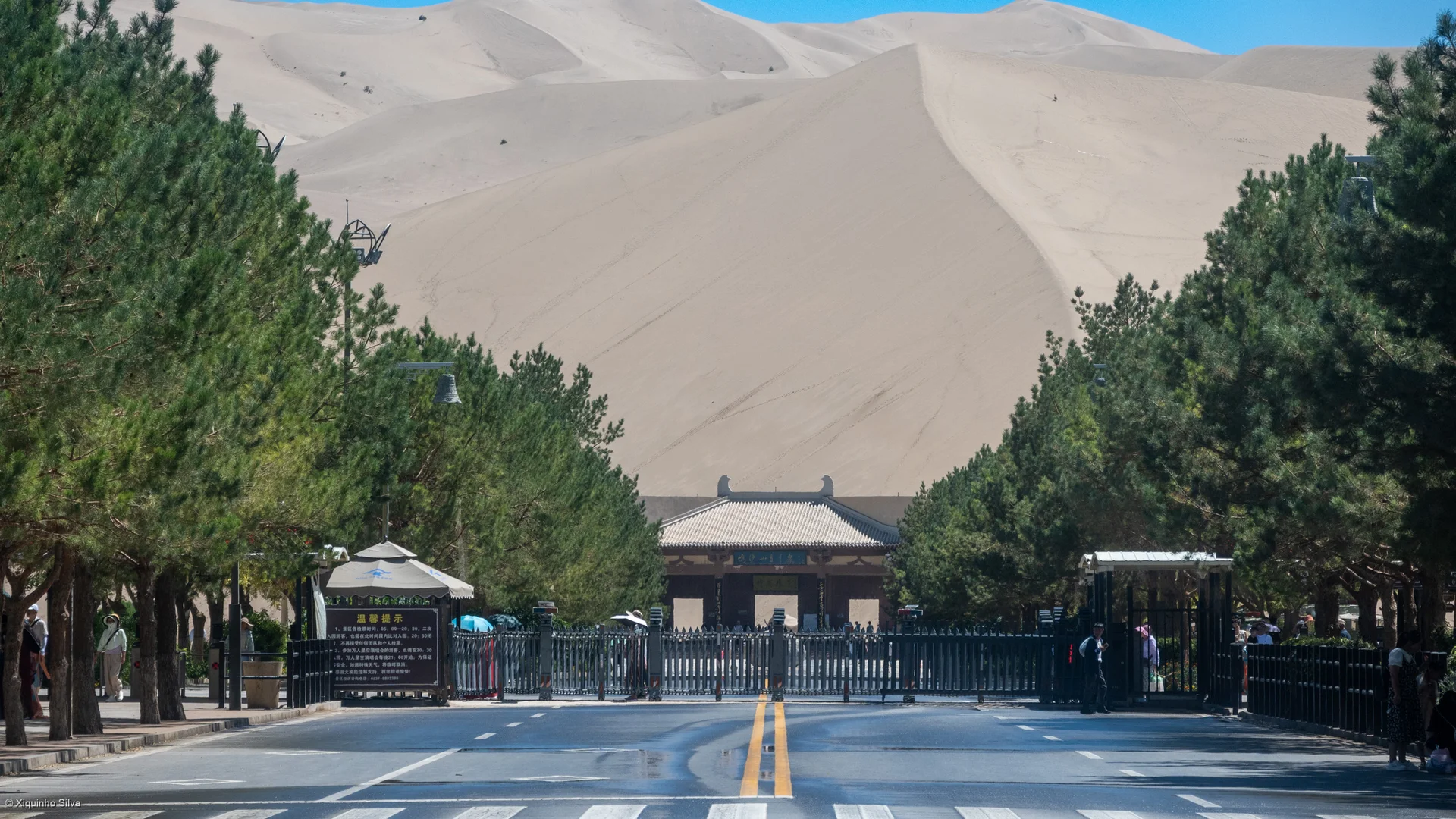 gansu
gansu Mingsha Mountain & Crescent Spring — Desert Curves, Dunes, And The Oasis That Should Not Exist
鸣沙山月牙泉 · Mingshashan Yueyaquan
A rights-safe guide to Mingsha Mountain and Crescent Spring for travelers deciding whether Dunhuang's famous dunes are worth a full stop, with honest guidance on timing, heat, crowds, and what makes the landscape memorable.
- gansu
- April to June and September to October
- Easy
 gansu
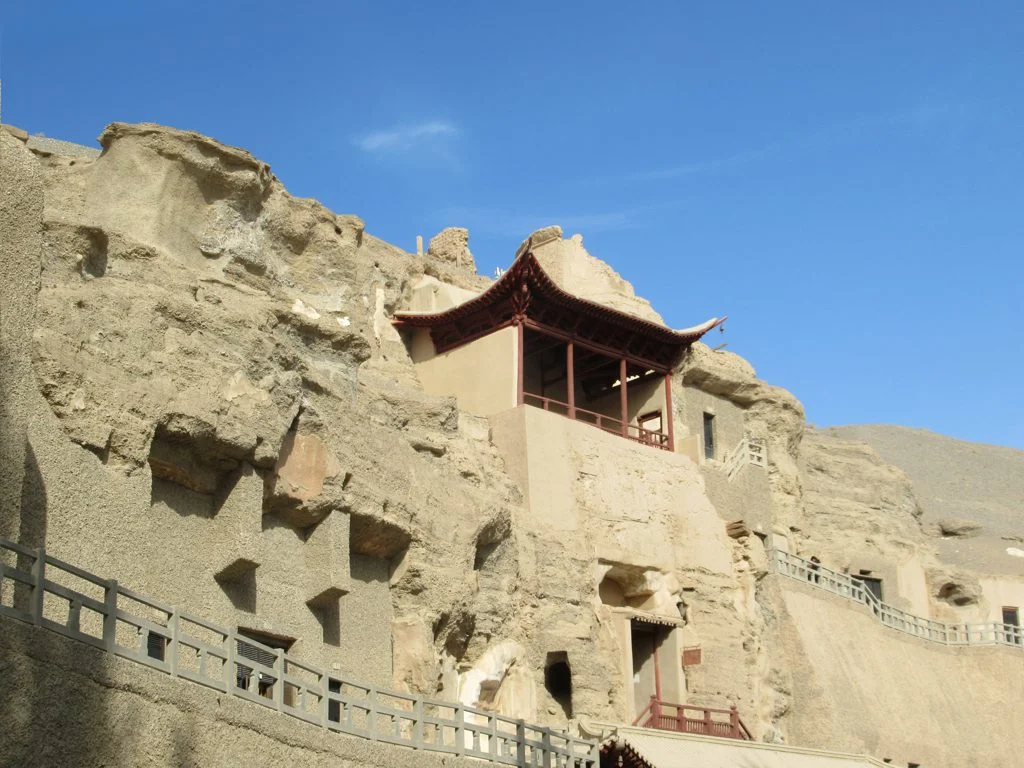
gansu Mogao Caves — The Silk Road Art Archive In The Cliffs
莫高窟 · Mogao Ku
A rights-safe guide to Mogao Caves for travelers who want more than a checkbox UNESCO stop: Buddhist cave art, reservation timing, visitor-flow reality, and how to pair the site with a useful Dunhuang route.
- gansu
- April to June and September to October
- Easy