Quick facts
What to know before you go
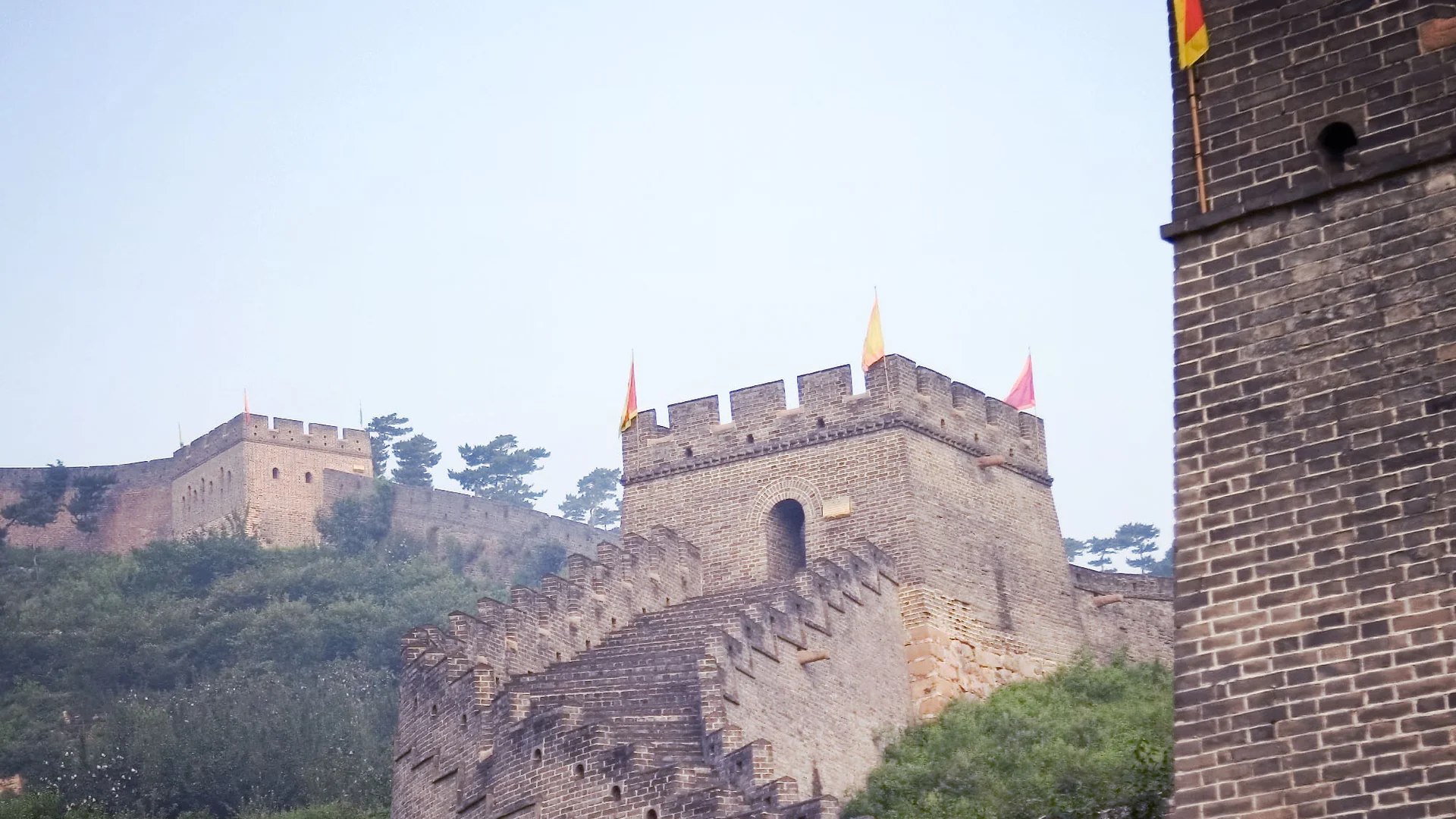
Chengde Mountain Resort — The Imperial Summer Landscape That Makes Qing Power Legible is a curated China Hidden Gems destination in Hebei, selected for travelers who want the place, timing, effort, and logistics in one scan.
- Administrative location
- Chengde, Hebei
- Chinese name
- 避暑山庄 · Bishu Shanzhuang
- Best season
- May to October
- Difficulty
- Easy
- Time needed
- Full day to two days
- Typical cost
- $$
- Getting there
- Arrive in Chengde with a clear decision about whether the trip is a disciplined one-day route or a slower two-day heritage stay, because the resort and outer temples do not compress gracefully by accident.
Editorial briefing
Why this place works
A rights-safe guide to Chengde Mountain Resort for travelers planning either one long heritage day or a slower two-day route, with honest notes on the palace zone, the outer temples, internal scale, and why Chengde only makes sense when you read it as a Qing imperial landscape rather than a simple summer palace.
Why go
- A rights-safe guide to Chengde Mountain Resort for travelers planning either one long heritage day or a slower two-day route, with honest notes on the palace zone, the outer temples, internal scale, and why Chengde only makes sense when you read it as a Qing imperial landscape rather than a simple summer palace.
- Chengde Mountain Resort — The Imperial Summer Landscape That Makes Qing Power Legible gives travelers a concrete reason to plan around Chengde, hebei, not just a generic first-trip city list.
- It is strongest for history, architecture, unesco, with enough practical context to compare timing, difficulty, and onward route fit.
Turn this into a trip
Save Chengde Mountain Resort — The Imperial Summer Landscape That Makes Qing Power Legible, then plan around it.
Keep this gem on your device, open it in your bucket list, or start a planner draft with the destination already filled in.
Trip planning intake
Ask whether Chengde Mountain Resort — The Imperial Summer Landscape That Makes Qing Power Legible fits your route.
This is a lightweight planning signal, not an instant concierge. Leave your trip context and a real question, and the team can reply manually after review.
Story visuals
Chengde Mountain Resort — The Imperial Summer Landscape That Makes Qing Power Legible
The Qing Site That Feels Small Until You Understand Its Scale
Chengde Mountain Resort is easy to misunderstand from the headline alone. A summer retreat north of Beijing, a giant imperial garden, lakes and hills, some temples nearby. That description is accurate, but it makes the place sound more straightforward than it really is. Chengde is not merely where emperors escaped the heat. It is a landscape argument about empire.
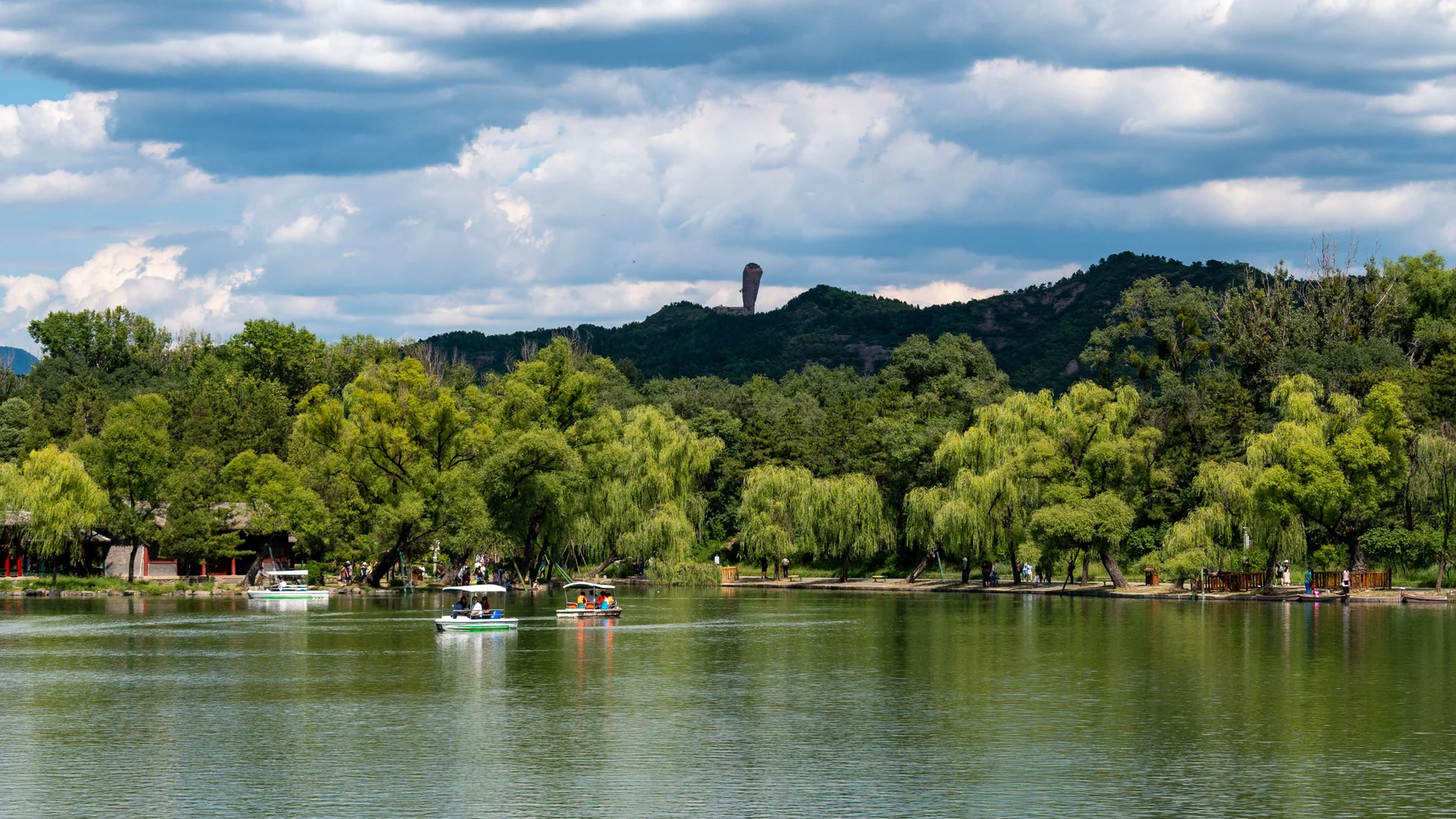
The site works because the resort and the outlying temples together turn Qing political geography into something a traveler can walk through. Lakes, palace compounds, woodland, open ground, Tibetan-style temple forms, and broader frontier references all belong to the same imperial idea. A strong Chengde page therefore cannot treat the resort as a single palace park. It has to explain why the scale matters, why the outer temples are not optional decoration, and why the destination feels so different from Beijing's more centralized imperial sites.
Why It Works
The first reason Chengde works is landscape size. Even travelers who know it is large often underestimate how much the place behaves like a system rather than a site. Palace areas, open parkland, lakes, and surrounding temple zones create an experience that is more distributed and more politically charged than a normal heritage-garden visit. That makes Chengde one of the most conceptually interesting imperial destinations in North China.
The second reason is contrast. The palace zone feels comparatively restrained, especially after Beijing's high-imperial theatricality. That restraint is part of the point. Chengde was built as a seasonal court landscape, and its materials and atmosphere support the idea of retreat without abandoning power. The result is not lesser imperial architecture. It is a different mood of imperial rule.
The third reason is that the outer temples expand the destination beyond court leisure into frontier diplomacy and religious politics. Putuo Zongcheng and Puning are not side trips in the disposable sense. They help explain how the Qing court staged legitimacy, multiethnic rule, and spatial imagination away from the capital. A good Chengde page says this clearly and then turns it into route value.
How To Plan The Visit
The most important decision is whether Chengde is a compression day or a slower heritage stay. A single long day can work for disciplined travelers, but only if priorities are clear. If the route tries to "cover Chengde" in the abstract, the experience usually becomes transport, fatigue, and partial attention.
For a first visit with limited time, the resort itself should still come first because it teaches the spatial logic of the place. The lakes, palace compounds, and wider parkland explain how Chengde differs from a palace museum. The traveler starts to understand why the site had to be built here and why the Qing court wanted a seasonal landscape that felt broader than one enclosed court.
But the page should not let the outer temples become optional if the visitor has enough time. Putuo Zongcheng and Puning are among the clearest architectural and political keys to the whole system. They turn Chengde from a large imperial park into a more legible statement about frontier alignment, Tibetan-Buddhist presence, and imperial range. That is usually where the destination becomes fully convincing.
Internal scale also needs honesty. Chengde can be physically easy in the sense that it is not a hard hike, but it is still tiring if the route is vague. Walking distances, internal transport decisions, and the separation between the resort and outer temples all matter. A premium page should solve this with planning, not hide it under romance.
What To Prioritize
Prioritize one strong resort pass and one strong outer-temple reading. That is the most reliable first-time version of Chengde. Within the resort, let the traveler feel both the imperial-court zone and the larger landscape. Do not reduce the site to one palace facade. The point is the relationship between governance, leisure, and staged territory.
Within the temple layer, Putuo Zongcheng is especially useful because it makes the cross-regional architectural language legible at a glance. Puning adds a different religious and spatial tone. Together they remind the visitor that Chengde was never only a summer escape.
The page should also protect against the misconception that Chengde is somehow secondary because it sits outside Beijing. In many ways, that distance is what makes it interesting. Chengde externalizes imperial imagination. It gives the court more landscape, more symbolic room, and a different way of receiving frontier elites and religious influence.
Who Should Save It
Save Chengde if you want one large-scale Qing destination that explains imperial power through landscape rather than through throne rooms alone. It is strongest for history travelers, architecture and temple readers, travelers who already know Beijing and want the next-layer imperial site, and visitors interested in how political geography gets staged physically.
It is weaker for travelers who want a small, easily completed half-day attraction. Chengde is spacious and concept-heavy by design. That is why it works.
What To Confirm Before You Go
Before finalizing the route, confirm what kind of Chengde trip you are actually building: one long day, two slower days, or a resort-first route with only one major outer-temple layer. Also check current transport assumptions between rail arrival, the resort, and the temple zone. The honest version of Chengde starts with accepting that scale is part of the destination, not a planning inconvenience.
The trustworthy promise is simple: Chengde is worth the trip when the traveler treats it as an imperial landscape system, not as a slightly larger palace park.
How To Use This Page In The Tools
Chengde should hand off to the planner as a scale-and-sequencing question, not as a generic Hebei heritage stop. The useful prompt is "plan Chengde as either one disciplined full day or a slower two-day route, with a clear balance between the resort itself and the outer temples so the Qing landscape logic stays legible." That gives the planning tools a route framework that matches the destination's real structure.
Traveler actions
Save, check in, share, and help other travelers judge whether this place is worth the trip.
Traveler Comments
Share your Chengde Mountain Resort — The Imperial Summer Landscape That Makes Qing Power Legible experience
Continue exploring