Quick facts
What to know before you go
Alishan Forest Railway — The Mountain Rail Route That Matters Because The Journey Still Has Weight is a curated China Hidden Gems destination in Taiwan, selected for travelers who want the place, timing, effort, and logistics in one scan.
- Administrative location
- Chiayi, Taiwan
- Chinese name
- 阿里山森林铁路 · Alishan Senlin Tielu
- Best season
- March to May and October to November
- Difficulty
- Easy
- Time needed
- 1 day
- Typical cost
- $$
- Getting there
- Treat Alishan Forest Railway as the spine of the day and let branch-line timing shape the mountain route instead of squeezing the train into spare minutes.
Official planning links
Editorial briefing
Why this place works
A rights-safe guide to Alishan Forest Railway for travelers deciding whether the line is worth planning around, with practical notes on branch-line timing, rolling stock, heritage depots, and why this mountain railway works best when treated as a journey instead of a decorative scenic extra.
Why go
- A rights-safe guide to Alishan Forest Railway for travelers deciding whether the line is worth planning around, with practical notes on branch-line timing, rolling stock, heritage depots, and why this mountain railway works best when treated as a journey instead of a decorative scenic extra.
- Alishan Forest Railway — The Mountain Rail Route That Matters Because The Journey Still Has Weight gives travelers a concrete reason to plan around Chiayi, taiwan, not just a generic first-trip city list.
- It is strongest for railway, heritage, mountain, with enough practical context to compare timing, difficulty, and onward route fit.
Turn this into a trip
Save Alishan Forest Railway — The Mountain Rail Route That Matters Because The Journey Still Has Weight, then plan around it.
Keep this gem on your device, open it in your bucket list, or start a planner draft with the destination already filled in.
Trip planning intake
Ask whether Alishan Forest Railway — The Mountain Rail Route That Matters Because The Journey Still Has Weight fits your route.
This is a lightweight planning signal, not an instant concierge. Leave your trip context and a real question, and the team can reply manually after review.
Story visuals
Alishan Forest Railway — The Mountain Rail Route That Matters Because The Journey Still Has Weight
The Mountain Rail Route That Stops Working When You Treat It As Mere Decoration
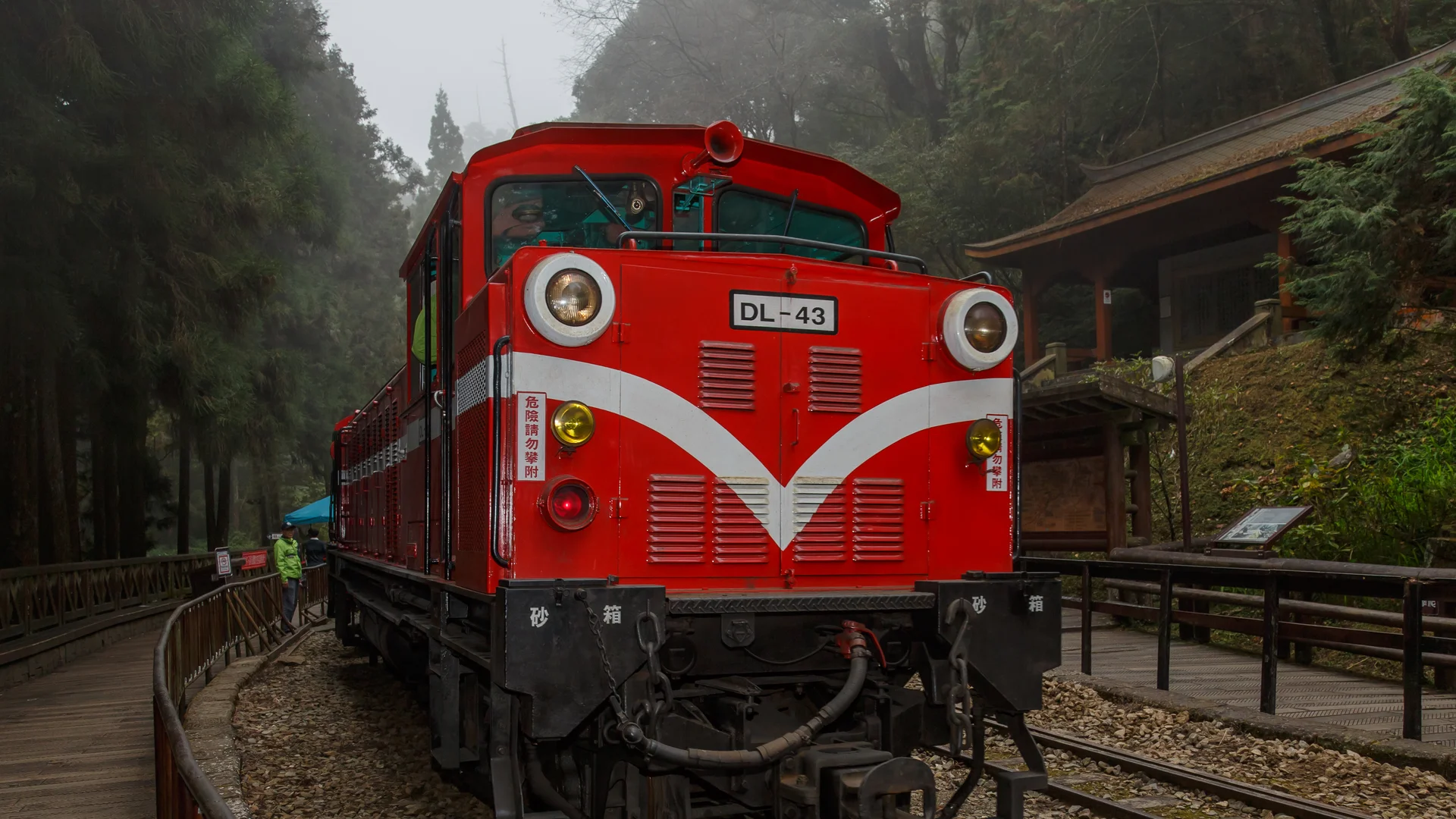
Alishan is easy to oversimplify because the imagery is so generous. Trains, cedar forest, mist, cherry blossom, small stations, mountain light. It would be very easy to write a page that says almost nothing beyond that. But a serious route page should resist the temptation. Alishan Forest Railway matters because the railway still carries weight as a journey. It is not only a cute vehicle inside a scenic area. It is a line with heritage, ascent logic, depots, branch-line decisions, and a rhythm that can still shape the whole day.
That is the difference between a strong route page and a weak one. A weak page treats the train as a prop for mountain photos. A strong page treats it as the route spine. The traveler should feel why the line matters before they ever board it. Once that is clear, the scenery becomes more than decoration. It becomes the landscape through which the route gains meaning.
Why It Works
First, the railway has immediate identity. Few transport pages in the pool can compete with its visual legibility. The trains, the mountain setting, the garage park, the stations, and the branch-line aura are distinct enough that the route can stand on image alone for discovery. That is already valuable.
Second, it works because the line offers more than one type of payoff. There is the railfan and heritage side: locomotives, depots, and line history. There is the scenic side: ascent, forest, mountain weather, and occasional blossom-season drama. And there is the planning side: timing, branch-line choice, and the question of how much of the day should be built around the railway instead of treating it as a casual add-on. A good page should keep all three in view.
Third, the railway broadens Taiwan content beyond lakes, city quarters, and generic mountain lookouts. It gives the pool a transport-led route where the means of movement are part of the destination itself. That is a useful expansion of the site's editorial range.
How To Shape The Day
Start by deciding whether the railway is the point or the atmosphere. If it is only atmosphere, the line tends to become a pretty background for a more generic mountain day. If it is the point, the route becomes more coherent. That does not require obsessive railfan behavior. It simply means letting timetables, branch lines, and heritage stops shape the day rather than squeezing the train into whatever time remains.
The second decision is branch-line discipline. Not every traveler needs the same version of Alishan Forest Railway. Some will care most about the iconic line feeling and station experience. Others will care about specific branch timing or heritage rolling stock. The page should not pretend all versions are equivalent. Its job is to help the traveler choose a railway-first shape and then let the surrounding mountain context support it.
The third decision is seasonality. Cherry blossoms make the line more photogenic, but they should not be allowed to monopolize the page. A strong route has year-round logic. Blossom season is one expression of that logic, not the only reason the line matters. The premium difference is saying so explicitly.
A fourth decision is how much of the route to let the depots and heritage stock carry. Some travelers want pure mountain atmosphere. Others want to understand the railway as machinery and history. The strongest page leaves room for both and does not force the line into only one register.
What To Prioritize
Prioritize the rail journey before the scenic-area halo. The line is what gives this page its unique identity. Stations, rolling stock, depots, and ascent rhythm matter because they distinguish the route from a generic mountain look-out page.
The page should also prioritize operational realism. Branch-line timing, route planning, and visitor flow are not boring technicalities. They are the core of why some Alishan days feel magical and others feel scrambled. A premium guide does not hide that complexity. It turns it into usable structure.
It is also worth protecting the page from nostalgia overdose. The railway is historic, but the guide should not drift into empty heritage reverence. The line earns respect because it still structures a journey. That present-tense usefulness matters as much as its cultural weight.
Who Should Save It
Save Alishan Forest Railway if you like transport routes where the vehicle, the line, and the setting all matter at once. It is especially strong for travelers interested in rail heritage, depots, branch-line decision-making, and mountain travel that still feels staged by the line itself.
It is weaker for travelers who only want a short photo stop or who expect the railway to function as a passive scenic prop. Alishan works better when the route accepts that the line deserves planning weight.
What To Confirm Before You Go
Before finalizing the route, confirm which parts of the line are operating, whether the day is branch-line focused or heritage focused, and how much of the mountain itinerary you want to surrender to the railway's timing. The honest promise is simple: Alishan Forest Railway is worth it when the traveler allows the line to structure the day instead of reducing it to a decorative backdrop.
How To Use This Page In The Tools
Alishan Forest Railway should hand off to planning as a route-weight problem: build one mountain day around the line, its branches, and a realistic timetable so the railway feels like the spine of the experience rather than a scenic accessory.
Traveler actions
Save, check in, share, and help other travelers judge whether this place is worth the trip.
Traveler Comments
Share your Alishan Forest Railway — The Mountain Rail Route That Matters Because The Journey Still Has Weight experience
Continue exploring
More in taiwan
View all →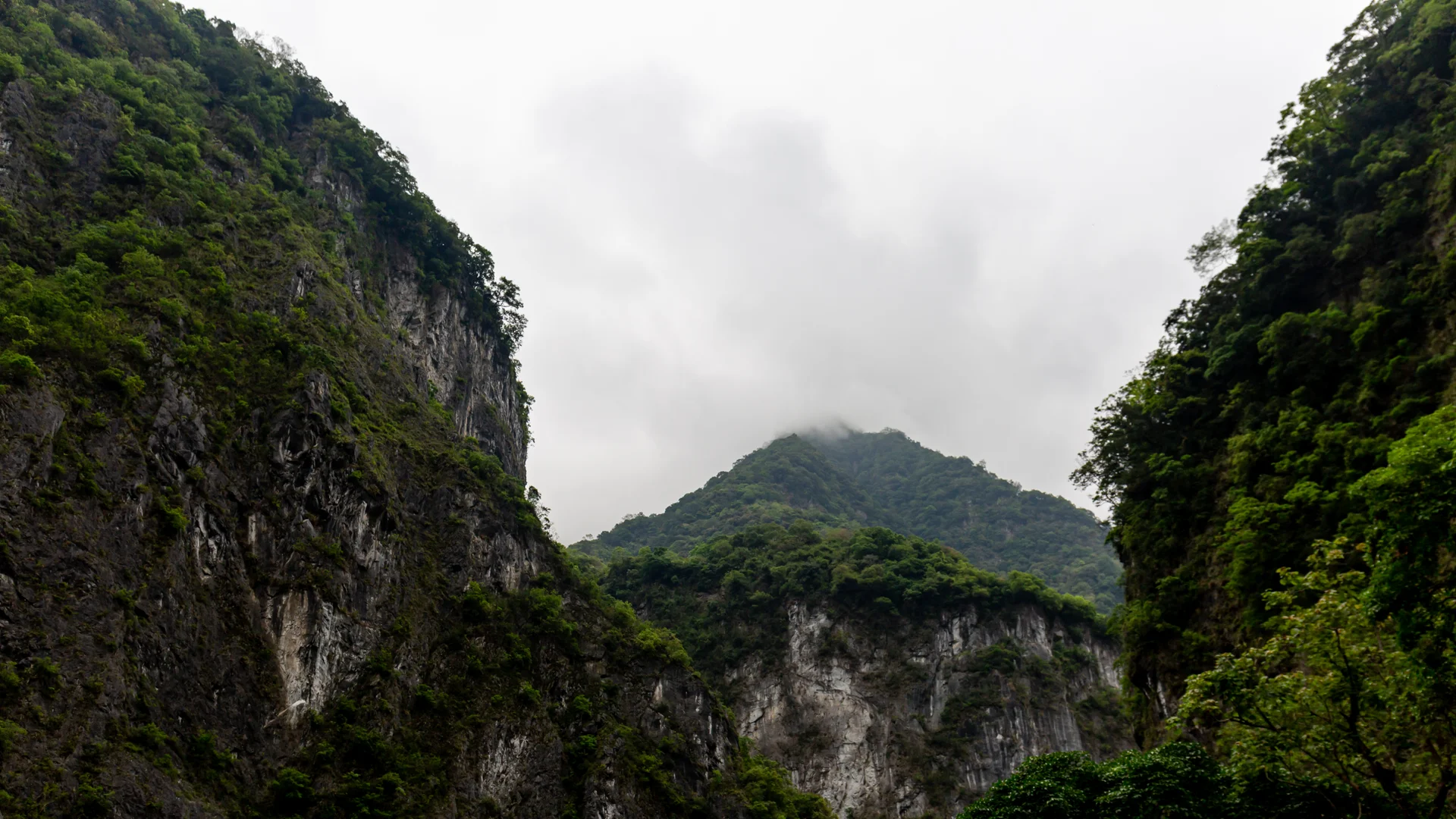 taiwan
 Taroko Gorge — The Marble Canyon Route That Now Demands Flexibility, Not Box-Ticking
太鲁阁峡谷 · Taroko Gorge
A rights-safe guide to Taroko Gorge for travelers deciding whether Taiwan’s most famous marble canyon still deserves a dedicated detour, with practical notes on current route flexibility, official status checks, and why Taroko now works best as a geology-led day rather than an old fixed checklist.
- taiwan
- October to April
- Easy
 taiwan
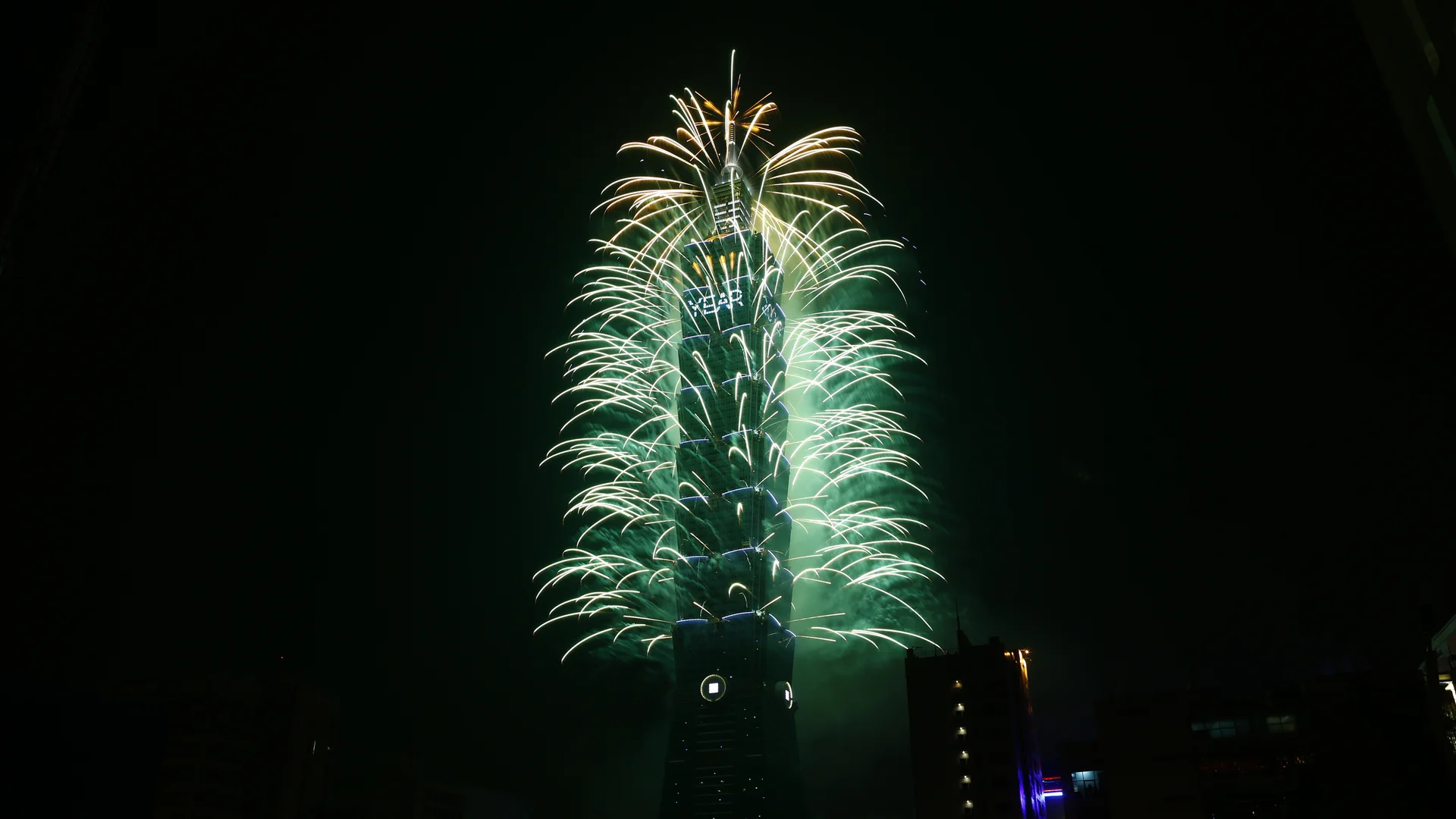
 Taipei 101 — The Taiwan Tower That Still Works Because Height Becomes Urban Theatre
台北101 · Taibei 101
A rights-safe guide to Taipei 101 for travelers deciding whether Taiwan's signature tower deserves more than a quick skyline proof, with practical notes on observatory timing, district context, and why the stop works best as vertical-city theatre rather than as an isolated object.
- taiwan
- October to December
- Easy
 taiwan
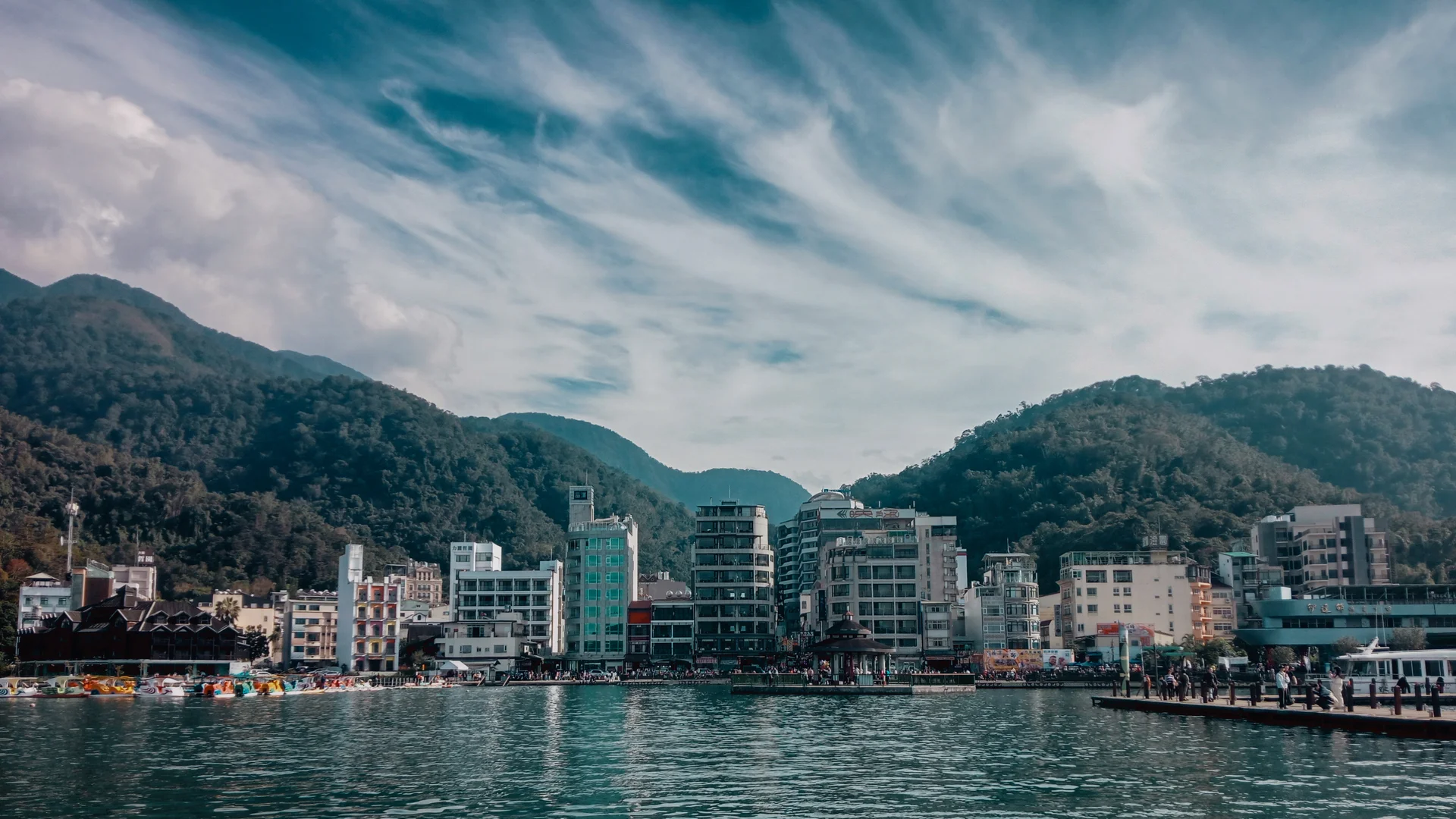
 Sun Moon Lake — The Taiwan Lake Circuit That Rewards Water, Pier, And Ropeway Rhythm
日月潭 · Riyue Tan
A rights-safe guide to Sun Moon Lake for travelers deciding whether Taiwan's most famous lake is worth real route time, with practical notes on piers, ropeway movement, shoreline pacing, and why the destination works best as a full circuit instead of a single postcard stop.
- taiwan
- October to April
- Easy